Safarkolkata

Your Trusted Travel Partner

logo

Contact Info

Chicago 12, Melborne City, USA

+88 01682648101

info@example.com

Master The Art: How to Tie a Tie

Understanding how to tie a tie is an essential skill for any professional or individual looking to make a great first impression. It may seem daunting at first, but with practice, you can master the art of tying a tie. In this article, we’ll guide you through the process, providing you with the necessary steps and tips to become a pro at tying a tie.

Getting Started

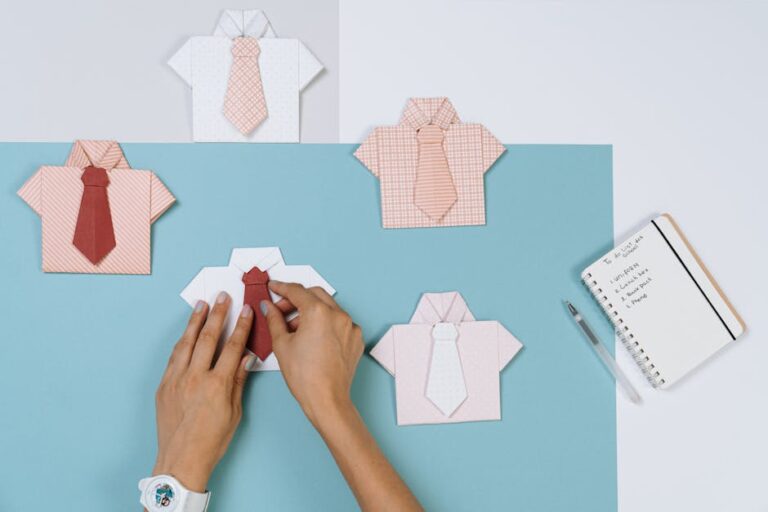
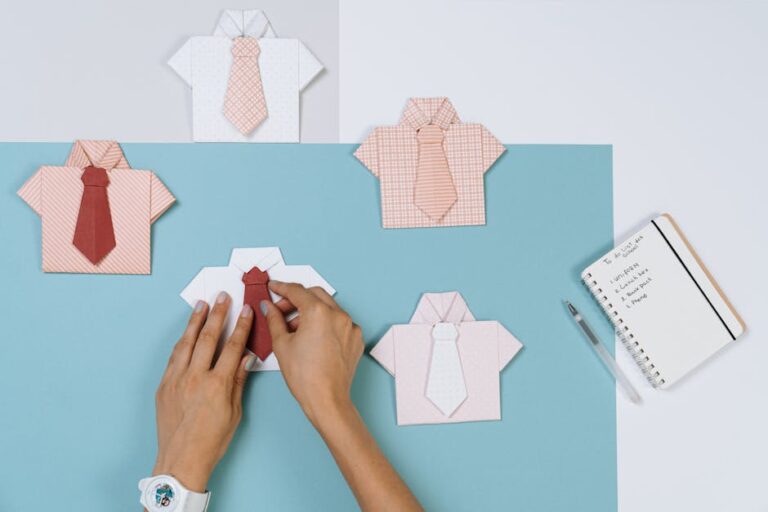
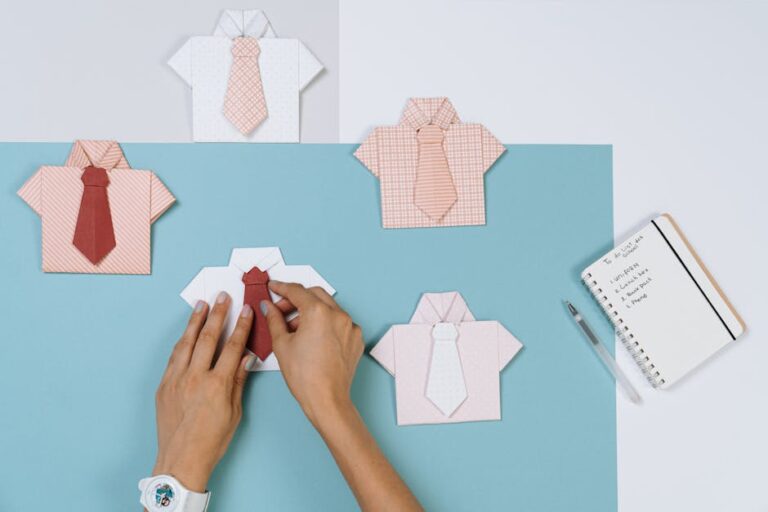
How To Tie A Tie Step By Step - Image 2

Before you begin, make sure you have a tie that complements your outfit and a mirror to practice in front of. It’s also essential to choose a quiet and comfortable space where you can focus on the task at hand.

Tying a Tie: The Basics

To start, face the mirror and stand up straight. Place the tie around your neck with the wide end on your left side and the narrow end on your right side. The tie should be hanging down about 12 inches below your neck. You can adjust the tie to your desired length, but this is a good starting point.

The Knot

The knot is the most critical part of tying a tie. There are several types of knots, but the most common one is the Four-in-Hand knot. To create this knot, follow these steps:

  • Cross the wide end over the narrow end, so that it forms an ‘X’ shape.
  • Take the wide end and pass it behind the narrow end.
  • Bring the wide end up and through the loop that you just created in step 1.
  • Pull the wide end gently to tighten the knot.

Common Mistakes to Avoid

When learning how to tie a tie, it’s common to make mistakes. Here are some of the most common errors to avoid:

  • Not leaving enough space between the knot and the collar.
  • Not tightening the knot enough, resulting in a loose tie.
  • Not adjusting the tie to the correct length.

Practice Makes Perfect

As with any skill, practice is key when it comes to how to tie a tie. Start by practicing in front of a mirror, and once you feel comfortable, try tying a tie without looking. This will help you develop muscle memory and make the process easier.

Additional Resources

If you’re still having trouble, you can find additional resources on websites like wikiHow and TheTieBar. These sites offer step-by-step guides, videos, and tutorials to help you master the art of tying a tie.

In conclusion, learning how to tie a tie takes time and practice, but with patience and persistence, you can become a pro. Remember to start with the basics, practice regularly, and don’t be afraid to make mistakes. With these tips and a bit of practice, you’ll be tying a tie like a pro in no time.

FAQs

What is the most common type of tie knot?

The Four-in-Hand knot is the most common type of tie knot.

How long should a tie be?

A tie should be long enough to reach the top of your belt buckle.

Can I learn how to tie a tie online?

Yes, there are many online resources available to learn how to tie a tie, including video tutorials and step-by-step guides.

How long does it take to learn how to tie a tie?

The amount of time it takes to learn how to tie a tie varies depending on the individual, but with regular practice, you can master the skill in a few days or weeks.

What are some common mistakes to avoid when tying a tie?

Common mistakes to avoid when tying a tie include not leaving enough space between the knot and the collar, not tightening the knot enough, and not adjusting the tie to the correct length.

Related Reading

Mastering the Art: How to Wear Saree

The traditional Indian garment, the saree, is a timeless piece of clothing that exudes elegance and sophistication. Knowing how to wear saree is an art that requires patience, practice, and a little bit of flair. In this article, we will take you through the steps to drape a saree like a pro, covering the basics and some advanced techniques to help you master the art of saree draping.

Understanding the Basics of Saree Draping

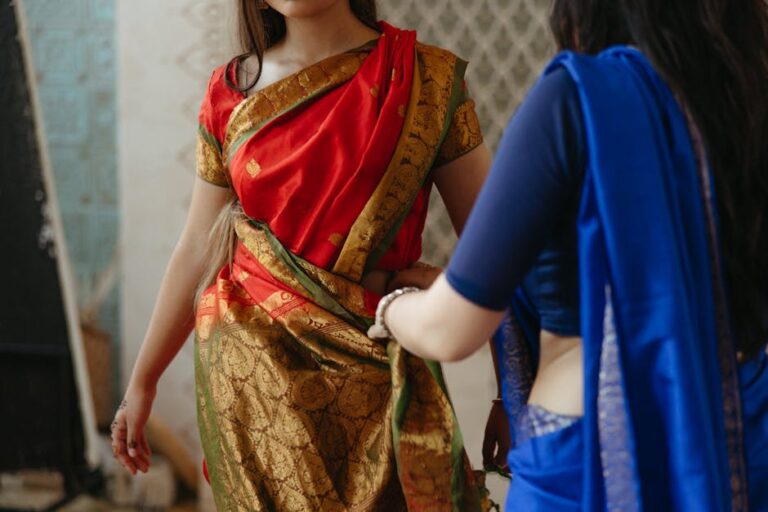
Saree Draping Styles For Women - Image 2

Before you start draping the saree, it’s essential to understand the different parts of the garment. A saree typically consists of a long piece of fabric, usually 5-6 yards in length, with a blouse and a petticoat. To start, you’ll need to wear the blouse and petticoat, and then drape the saree around your body.

Choosing the Right Saree

With so many different types of sarees available, it can be overwhelming to choose the right one. Consider the occasion, your body type, and the fabric when selecting a saree. For example, a lightweight cotton saree is perfect for everyday wear, while a silk or embroidered saree is more suitable for special occasions.

Tips for Choosing the Perfect Saree

  • Consider the color and pattern of the saree and how it will complement your skin tone and hair color.
  • Think about the fabric and whether it’s suitable for the occasion and the weather.
  • Look for a saree that flatters your body type and accentuates your curves.

Draping the Saree

Now that you’ve chosen the perfect saree, it’s time to learn how to wear saree. Start by tucking the top edge of the saree into your petticoat, making sure it’s secure and even. Then, wrap the saree around your body, pleating the fabric as you go, and tuck the end of the saree into your petticoat.

Advanced Saree Draping Techniques

Once you’ve mastered the basic draping technique, you can experiment with more advanced styles, such as the how to wear saree in a Gujarati or Bengali style. These styles involve different pleating and draping techniques, and can add a unique touch to your saree.

Caring for Your Saree

To keep your saree looking its best, it’s essential to care for it properly. Avoid washing the saree in hot water, and instead, opt for a gentle hand wash or dry cleaning. You can also iron the saree while it’s still slightly damp to remove any wrinkles and creases.

For more information on saree draping and care, visit wikipedia or britannica.

In conclusion, mastering the art of how to wear saree takes time and practice, but with patience and dedication, you can become a pro at draping a saree. Remember to choose the right saree, follow the basic draping technique, and experiment with advanced styles to create a unique and elegant look.

FAQs

What is the best way to learn how to wear saree?

The best way to learn how to wear saree is through practice and patience, with the help of online tutorials and guidance from experienced saree wearers.

What are the different types of sarees available?

There are many different types of sarees available, including cotton, silk, embroidered, and printed sarees, each with its own unique characteristics and suitability for different occasions.

How do I choose the right saree for my body type?

To choose the right saree for your body type, consider the color, pattern, and fabric of the saree, and look for a style that flatters your curves and accentuates your features.

Can I wear a saree for everyday wear?

Yes, you can wear a saree for everyday wear, opting for lightweight and comfortable fabrics such as cotton or linen, and simple, elegant draping styles.

How do I care for my saree?

To care for your saree, avoid washing it in hot water, opt for gentle hand washing or dry cleaning, and iron the saree while it's still slightly damp to remove wrinkles and creases.

Related Reading

Saree Style: Mastering How to Wear Saree

Learning how to wear saree is an art that requires patience, practice, and a bit of flair. The saree, a traditional Indian garment, is a staple in many Indian women’s wardrobes, and its versatility is unmatched. In this article, we will explore the different ways to wear a saree, from the classic Nivi style to more modern and trendy draping techniques.

Understanding Saree Basics

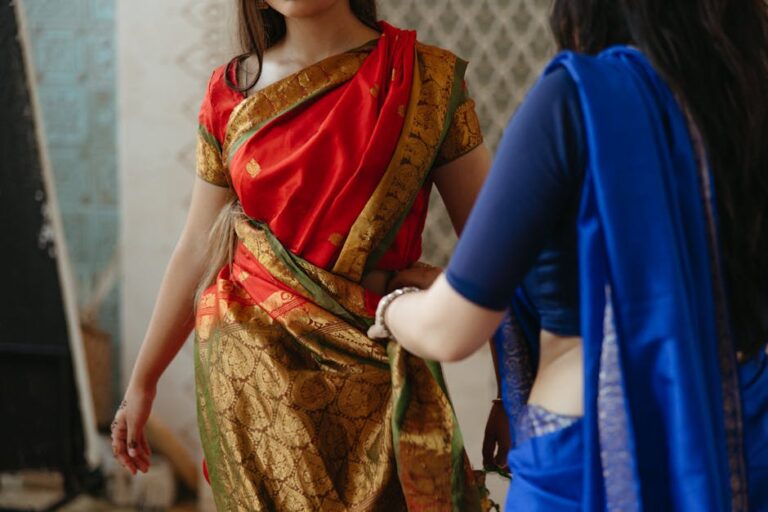
Saree Draping Styles For Women - Image 2

Before we dive into the various styles, it’s essential to understand the basic components of a saree. A saree typically consists of a long piece of fabric, usually 5-6 yards in length, and is draped around the body in a specific way. The fabric can be made from a variety of materials, including silk, cotton, and chiffon.

Choosing the Right Saree

With so many different types of sarees available, choosing the right one can be overwhelming. Consider the occasion, your body type, and the style you want to achieve when selecting a saree. For example, a lightweight chiffon saree is perfect for a summer wedding, while a heavier silk saree is more suitable for a formal event.

Popular Saree Fabrics

  • Silk
  • Cotton
  • Chiffon
  • Georgette

Draping Techniques for How to Wear Saree

Now that we’ve covered the basics, let’s move on to the fun part – draping the saree. There are several techniques to master how to wear saree, including the Nivi style, the Bengali style, and the Gujarati style. Each style has its unique way of draping the saree, and it’s essential to practice to get it just right.

Accessories to Complete the Look

No saree is complete without the right accessories. A well-chosen blouse, petticoat, and jewelry can make or break the overall look. Consider the color and fabric of the saree when selecting accessories, and don’t be afraid to experiment with different combinations.

Tips and Tricks for How to Wear Saree

Finally, here are some tips and tricks to keep in mind when learning how to wear saree: practice makes perfect, so don’t be discouraged if it takes a few attempts to get the hang of it. You can also check out tutorials on youtube or visit britishmuseum for inspiration.

Conclusion

In conclusion, mastering how to wear saree is a skill that requires patience, practice, and dedication. With the right techniques, accessories, and attitude, you can rock the saree look with confidence and style.

FAQs

What is the best way to learn how to wear saree?

The best way to learn is through practice and patience, and you can also watch tutorials online.

What are the different types of saree fabrics?

There are several types of saree fabrics, including silk, cotton, chiffon, and georgette.

How do I choose the right saree for an occasion?

Consider the occasion, your body type, and the style you want to achieve when selecting a saree.

What are some essential accessories for a saree?

A well-chosen blouse, petticoat, and jewelry are essential accessories for a saree.

Related Reading

Master the Art: How to Tie a Tie

Learning how to tie a tie is an essential skill for any professional or individual who wants to make a good impression. Mastering the art of tie-tying can seem daunting at first, but with practice, you can become proficient in no time. In this article, we will guide you through the process of tying a tie, providing you with tips and tricks to help you achieve the perfect knot.

Choosing the Right Tie

How To Tie A Tie Step By Step - Image 2

Before you start learning how to tie a tie, it’s essential to choose the right one. Consider the occasion, your shirt, and your suit when selecting a tie. A simple rule of thumb is to match your tie with your shirt and suit. For example, if you’re wearing a light-colored shirt, choose a darker tie, and vice versa.

Basic Tie-Tying Techniques

There are several techniques to learn when it comes to how to tie a tie. The most common method is the Four-in-Hand knot, which is easy to learn and suitable for most occasions. To start, face a mirror and stand up straight. Begin by placing the tie around your neck with the wide end on your left side and the narrow end on your right side. Cross the wide end over the narrow end, then bring it behind and through the loop that you just created in the front.

Tie-Tying Steps

  • Cross the wide end over the narrow end
  • Bring the wide end behind and through the loop
  • Pull the wide end gently to tighten the knot
  • Adjust the tie so it’s centered and the knot is snug against your shirt

Advanced Tie-Tying Techniques

Once you’ve mastered the basic techniques, you can move on to more advanced methods, such as the Windsor knot or the Half-Windsor knot. These knots are slightly more complicated but can add a touch of elegance to your outfit. For more information on advanced tie-tying techniques, visit WikiHow or TheTieBar.

Tie-Tying Tips and Tricks

Here are some additional tips to help you master the art of how to tie a tie:

  • Practice in front of a mirror to ensure the knot is centered and the tie is straight
  • Use a dimple to create a small indentation in the center of the tie
  • Adjust the tie throughout the day to ensure it remains snug and centered

Conclusion

In conclusion, learning how to tie a tie is a valuable skill that can make a significant difference in your professional and personal life. With practice and patience, you can master the art of tie-tying and become confident in your ability to create a perfect knot. Remember to choose the right tie, practice basic and advanced techniques, and follow our tips and tricks to achieve the perfect look.

FAQs

What is the most common tie-tying method?

The Four-in-Hand knot is the most common method.

How do I choose the right tie?

Consider the occasion, your shirt, and your suit when selecting a tie.

What are some advanced tie-tying techniques?

The Windsor knot and the Half-Windsor knot are more advanced methods.

How do I adjust the tie throughout the day?

Pull the wide end gently to tighten the knot and adjust the tie so it's centered and the knot is snug against your shirt.

Related Reading

Mastering the Art: How to Wear Saree

The traditional Indian garment, the saree, is a timeless piece of clothing that exudes elegance and sophistication. Learning how to wear saree can seem daunting at first, but with practice, it becomes a skill that can be mastered by anyone. In this article, we will delve into the world of sarees and provide a step-by-step guide on how to wear saree with confidence and poise.

Understanding the Basics of Saree Draping

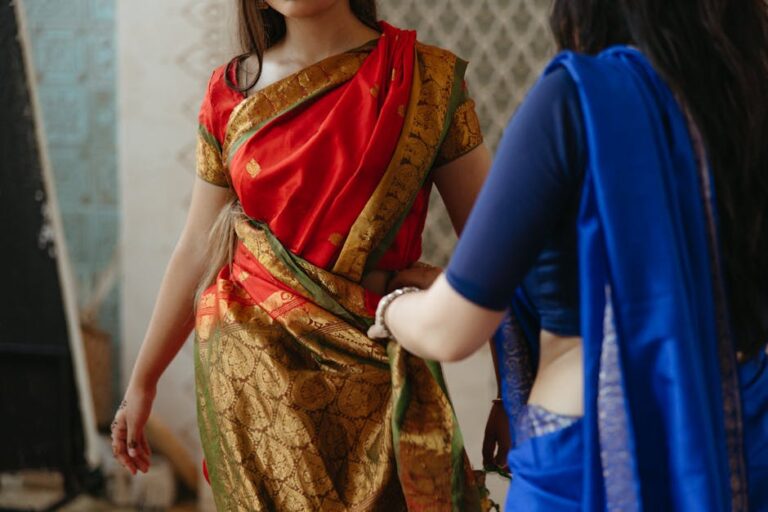
Saree Draping Styles For Women - Image 2

A saree is typically 5-6 yards long and is draped around the body in a specific way to create a beautiful, flowing silhouette. The key to mastering the art of saree draping is to understand the basics of the different types of sarees and the various draping styles.

Preparation is Key: Choosing the Right Saree and Accessories

Before you start draping the saree, it’s essential to choose the right one that suits your body type and the occasion. Consider the fabric, color, and pattern of the saree, as well as the accessories that will complement it. Some popular saree fabrics include silk, cotton, and chiffon. You can also visit amazon for a wide range of saree collections.

Essential Accessories for a Saree

  • A blouse that fits well and complements the saree
  • A petticoat or underskirt to add volume and texture
  • Jewelry, such as earrings, necklace, and bangles, to add a touch of elegance

Draping the Saree: A Step-by-Step Guide

Now that you have chosen the right saree and accessories, it’s time to learn how to wear saree. Follow these simple steps to create a beautiful, flowing drape:

  1. Tuck the saree into your petticoat or underskirt, making sure it’s secure and even.
  2. Wrap the saree around your body, ensuring the pallu (the decorative edge of the saree) is on the left side.
  3. Pleat the saree at the front and tuck it into your petticoat or underskirt.
  4. Adjust the pallu to create a beautiful, flowing drape.

Tips and Tricks for a Perfect Drape

To master the art of how to wear saree, it’s essential to practice regularly and experiment with different draping styles. Some tips to keep in mind include:

  • Use a saree that is the right size for your body type.
  • Choose a blouse that complements the saree and fits well.
  • Pay attention to the pleats and tucks to create a neat and tidy drape.

Conclusion

In conclusion, learning how to wear saree is an art that requires patience, practice, and dedication. With the right guidance and tips, you can master the art of saree draping and look stunning in this traditional Indian garment. For more information on sarees and Indian fashion, visit indiatimes for the latest trends and styles.

FAQs

What is the best way to learn how to wear saree?

The best way to learn how to wear saree is to practice regularly and experiment with different draping styles.

What are the essential accessories for a saree?

The essential accessories for a saree include a blouse, petticoat or underskirt, and jewelry such as earrings, necklace, and bangles.

What are the different types of sarees?

There are several types of sarees, including silk, cotton, chiffon, and georgette, each with its unique fabric, texture, and drape.

How do I choose the right saree for my body type?

To choose the right saree for your body type, consider the fabric, color, and pattern of the saree, as well as the occasion and your personal style.

Related Reading

Tie Up Your Style: How to Tie a Tie

Learning how to tie a tie is an essential skill for any professional or formal occasion. With a few simple steps, you can master the art of tying a tie and elevate your style. In this article, we will guide you through the process of tying a tie, covering various knot styles and techniques.

Understanding the Basics

How To Tie A Tie Step By Step - Image 2

Before you start tying your tie, it’s essential to understand the basics. You will need a tie, a shirt with a collar, and a mirror. Choose a tie that complements your outfit and occasions.

Choosing the Right Knot

There are several types of knots you can use to tie a tie, including the Four-in-Hand, Half Windsor, and Full Windsor. The choice of knot depends on the occasion and your personal preference. Here are some popular knots:

  • Four-in-Hand: A simple and classic knot suitable for everyday wear.
  • Half Windsor: A slightly thicker knot ideal for formal events.
  • Full Windsor: A thick and triangular knot perfect for special occasions.

Tying the Tie

Now that you have chosen your knot, it’s time to start tying your tie. Begin by facing a mirror and standing up straight. Place the tie around your neck with the wide end on your left side and the narrow end on your right side. Cross the wide end over the narrow end, then bring it behind and up through the loop in the front.

Adjusting the Knot

Once you have tied the knot, adjust it to your desired height and tightness. You can also adjust the tie to ensure it is centered and the knot is even.

Common Mistakes to Avoid

When tying a tie, there are several common mistakes to avoid. These include:

  • Tying the knot too tight or too loose.
  • Not adjusting the knot to the correct height.
  • Not centering the tie.

Conclusion

Learning how to tie a tie is a skill that takes practice, but with patience and persistence, you can master it. For more information on tying a tie and other fashion tips, visit wikihow or thefashionSpot.

FAQs

What is the easiest knot to tie?

The Four-in-Hand knot is considered the easiest knot to tie.

How long should my tie be?

The length of your tie should hit the top of your belt buckle.

Can I wear a tie with a casual outfit?

While ties are typically associated with formal wear, you can wear a tie with a casual outfit to add a touch of sophistication.

How often should I clean my tie?

You should clean your tie regularly to prevent stains and extend its lifespan.

Related Reading