Safarkolkata

Your Trusted Travel Partner

logo

Contact Info

Chicago 12, Melborne City, USA

+88 01682648101

info@example.com

Mastering The Art: How To Wear Saree

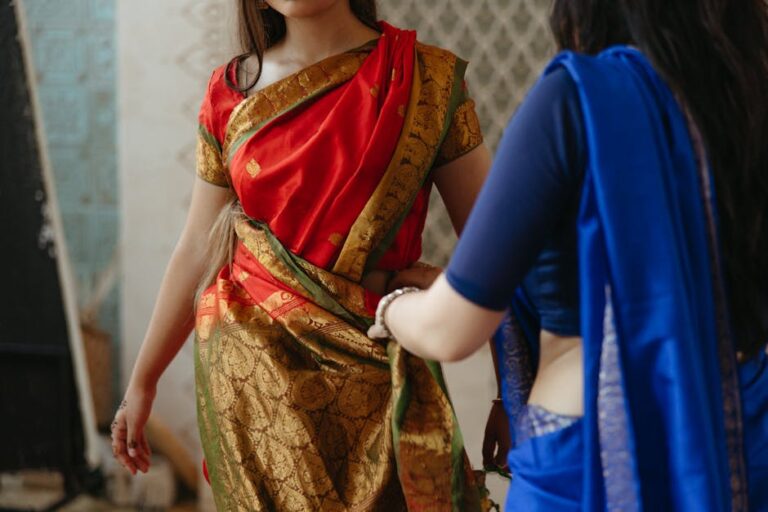
Understanding how to wear saree is not just about draping a piece of cloth; it’s an art form that requires patience, practice, and a keen eye for detail. For those who are new to the world of sarees, the process can seem daunting, but with the right guidance, anyone can master this traditional yet timeless piece of clothing. The key to wearing a saree beautifully lies in the way it is draped, the choice of blouse, and how it is accessorized.

Choosing the Right Saree

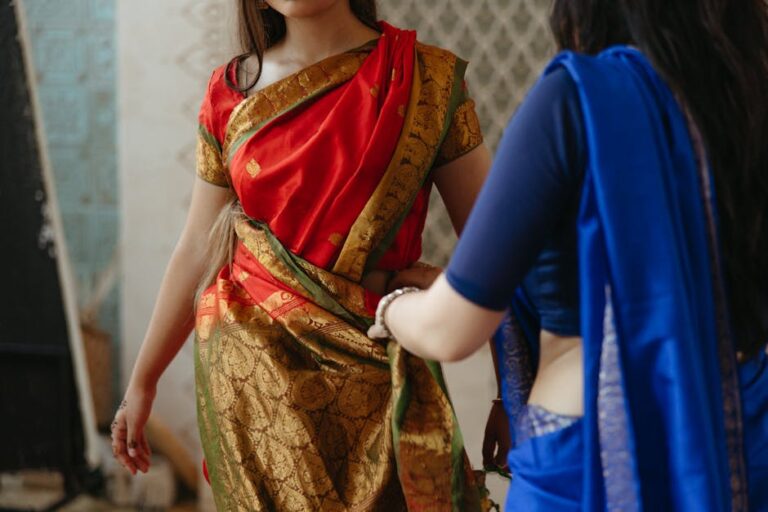
Saree Draping Styles For Beginners - Image 2

Before learning how to wear saree, it’s essential to choose the right one. Consider the occasion, your body type, and the color that complements your skin tone. For beginners, a lightweight saree with a simple design is recommended as it is easier to drape and manage.

Preparation is Key

Preparation is crucial when it comes to how to wear saree. Ensure you have a well-fitting blouse and a petticoat that matches the saree’s color. The blouse should be comfortable and not too tight, as you will be wearing it for an extended period. Visit wikipedia.org for detailed information on saree types.

Draping the Saree

  • Tuck the top edge of the saree into the petticoat, starting from the right side and moving towards the left.
  • Make pleats and tuck them into the petticoat, ensuring they are even and symmetrical.
  • Bring the remaining fabric around your body and over your left shoulder, securing it with a pin.

Accessorizing Your Saree

Accessorizing is a vital part of learning how to wear saree. Choose jewelry that complements the saree’s design and color. A simple necklace or earrings can enhance the overall look without overwhelming it. For more styling ideas, visit pinterest.com.

Tips for Different Body Types

Understanding your body type is crucial when learning how to wear saree. For pear-shaped bodies, emphasize the upper body with bold jewelry or a brightly colored blouse. For apple-shaped bodies, draw attention away from the midsection with a well-placed shawl or dupatta.

Conclusion

In conclusion, mastering how to wear saree is a skill that can be acquired with practice and patience. By choosing the right saree, preparing well, draping it correctly, accessorizing appropriately, and considering your body type, you can look stunning and elegant in a saree.

FAQs

What is the best fabric for a beginner's saree?

Lightweight fabrics like cotton or chiffon are best for beginners as they are easy to drape and manage.

How do I choose the right blouse for my saree?

Choose a blouse that fits well and complements the color and design of the saree.

Can I wear a saree to a casual event?

Yes, you can wear a saree to a casual event by choosing a simple design and light fabric, and accessorizing minimally.

How long does it take to learn how to wear a saree?

The time it takes to learn how to wear a saree depends on practice and patience, but with daily practice, you can master it in a few weeks.

Related Reading

Mastering the Art: How to Wear Saree

Learning how to wear saree is an art that requires patience, practice, and a bit of flair. The saree, a traditional Indian garment, is a symbol of elegance and sophistication. With its rich history and diverse styles, mastering the art of wearing a saree can be a rewarding experience. Whether you’re a beginner or looking to refine your draping skills, this guide will walk you through the basics and beyond, ensuring you look stunning in your saree.

Understanding the Basics of Saree

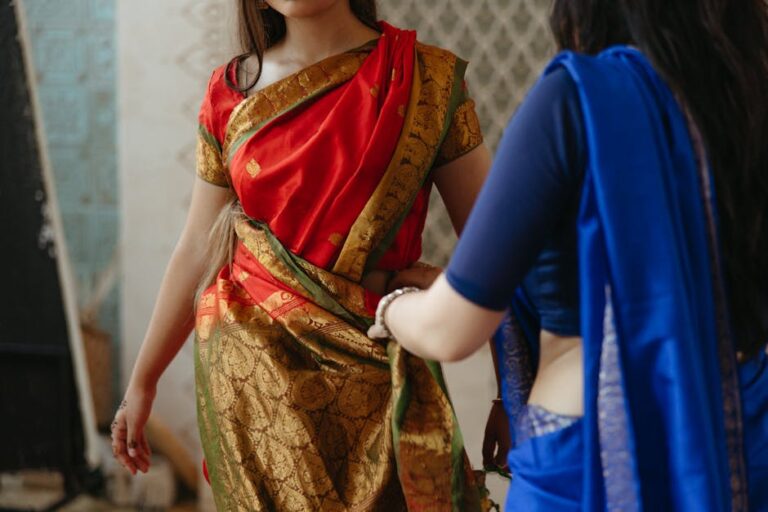
Traditional Indian Saree Draping Styles - Image 2

A saree typically consists of a long piece of fabric that is draped around the body in a specific manner. The key components include the pallu (the decorative end of the saree), the pleats (the folds at the waist), and the border (the decorative edge of the saree). Understanding these components is crucial for learning how to wear saree effectively.

Preparation is Key

Before you start draping, it’s essential to prepare your saree and undergarments. This includes ironing the saree to remove any wrinkles and wearing appropriate undergarments such as a blouse and a petticoat. The right undergarments will provide comfort and support, making it easier to drape the saree.

Choosing the Right Blouse

The blouse you choose can significantly impact the overall look of your saree. Consider the color, design, and fabric of the blouse in relation to your saree. For a seamless look, opt for a blouse that complements the saree’s pattern and color.

Draping Techniques for Beginners

For those new to wearing sarees, starting with simple draping techniques is advisable. Here are some steps to follow:

  • Begin by tucking the top edge of the saree into your petticoat, making sure it’s evenly spread and not too tight.
  • Create pleats at the waist by folding the saree into small, even folds.
  • Drape the pallu over your shoulder, adjusting it according to your preference.

Advanced Draping Styles

Once you’ve mastered the basic draping technique, you can experiment with more advanced styles. This includes different ways to drape the pallu, such as the Guajarati style or the Bengali style. Each style offers a unique look and can be tailored to suit different occasions and personal preferences.

Tips and Tricks

To enhance your saree-wearing experience, consider the following tips:

  • Practice makes perfect: Don’t be discouraged if it takes time to get the hang of draping a saree.
  • Accessorize wisely: Choose jewelry and shoes that complement your saree without overpowering it.
  • Visit authority sites like wikipedia or britannica for more information on traditional clothing.

Learning how to wear saree is a journey that combines tradition, elegance, and personal expression. With patience, practice, and the right guidance, you can master the art of wearing a saree and enjoy the beauty and grace it offers.

FAQs

What is the best fabric for a saree?

The best fabric for a saree depends on the occasion and personal preference, but common fabrics include cotton, silk, and chiffon.

How do I choose the right size of saree?

Choosing the right size of saree involves considering your height and waist size to ensure a comfortable and elegant drape.

Can I wear a saree for casual events?

Yes, you can wear a saree for casual events by opting for lighter fabrics and simpler draping styles.

How do I care for my saree?

Caring for your saree involves washing it gently, ironing while it's slightly damp, and storing it in a cool, dry place.

Related Reading

Mastering The Art: How To Wear Saree

Learning how to wear saree is an art that requires patience, practice, and a bit of flair. The saree, a traditional garment in the Indian subcontinent, is a symbol of grace, elegance, and cultural richness. In this guide, we will walk you through the steps and styles of wearing a saree, making you confident and beautiful in this stunning piece of clothing.

Understanding the Basics

Traditional Indian Saree Styles - Image 2

Before diving into the intricacies of how to wear saree, it’s essential to understand the components of a saree. A typical saree consists of the saree itself (usually 5 to 6 yards of fabric), a blouse, and a petticoat or underskirt. Choosing the right fabric, pattern, and color that complements your skin tone and the occasion is crucial.

Preparation is Key

To start wearing a saree, you first need to prepare your underskirt and blouse. The underskirt should be tied securely around your waist. The blouse should fit well and be comfortable. For beginners, it might be helpful to have someone assist you or practice in front of a mirror.

Choosing the Right Blouse

The blouse can significantly affect the overall look of the saree. It comes in various designs, from simple to heavily embellished. When learning how to wear saree, consider the occasion and the saree’s design when selecting a blouse.

Draping the Saree

Draping the saree is the most intricate part of the process. Here are the basic steps:

  • Tuck the top edge of the saree into your petticoat, starting from the right side, and work your way around to the left.
  • Make pleats as you go, usually 5 to 7, and tuck them into your petticoat.
  • Bring the saree around to the front, and you can either make a simple pallu (the decorative end of the saree) or a more elaborate one, depending on the style you’re aiming for.

Accessories and Final Touches

Accessories can elevate your saree look. Consider adding a statement piece of jewelry, like a necklace or earrings, to complement your outfit. For more information on saree styles and trends, you can visit Wiki or Britannica for a deeper dive into the history and cultural significance of the saree.

Conclusion

Mastering how to wear saree takes time and patience, but with practice, you’ll find your own unique style and flair. Remember, the key to pulling off a saree is confidence and comfort. Experiment with different styles and accessories to find what works best for you.

FAQs

What are the basic components of a saree?

A saree typically consists of the saree itself, a blouse, and a petticoat or underskirt.

How do I choose the right blouse for my saree?

Consider the occasion and the saree's design when selecting a blouse.

Where can I find more information on saree styles and trends?

You can visit Wiki or Britannica for a deeper dive into the history and cultural significance of the saree.

What is the most important aspect of wearing a saree?

Confidence and comfort are key to pulling off a saree.

Related Reading

Tie a Tie Like a Pro: Easy Steps

Knowing how to tie a tie is an essential skill for any professional or formal event. It can make a significant difference in how put together and confident you look. In this article, we will guide you through the process of tying a tie, including the most common knots and tips for mastering the technique.

Introduction to Tying a Tie

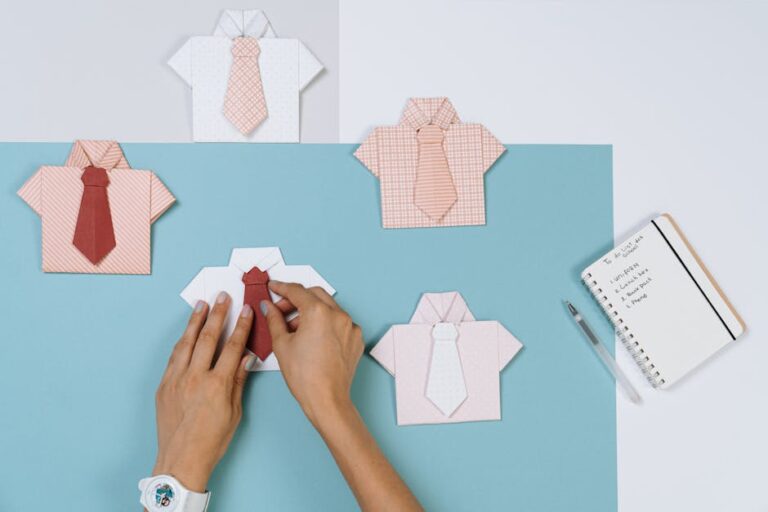
How To Tie A Tie Instructions - Image 2

Tying a tie can seem intimidating at first, but with practice, it becomes second nature. The key is to start with the basics and gradually move on to more complex knots. There are several types of knots, including the Four-in-Hand, Half Windsor, and Full Windsor.

Choosing the Right Knot

The type of knot you choose depends on the occasion and your personal preference. Here are a few factors to consider when selecting a knot:

  • The width of the tie
  • The size of the collar
  • The formality of the event

For example, the Four-in-Hand knot is a good choice for a casual event, while the Full Windsor knot is more suitable for a formal occasion.

Step-by-Step Guide to Tying a Tie

Now that we have covered the basics, let’s move on to the step-by-step guide on how to tie a tie. Follow these steps to master the Four-in-Hand knot:

  1. Start by facing a mirror and standing up straight.
  2. Place the tie around your neck with the wide end on your left side and the narrow end on your right side.
  3. Cross the wide end over the narrow end, so that it forms an ‘X’ shape.
  4. Take the wide end and pass it behind the narrow end.
  5. Bring the wide end up and through the loop that you just created in step 3.
  6. Pull the wide end gently to tighten the knot.

Tips for Mastering the Technique

Here are a few tips to help you master the technique of tying a tie:

  • Practice in front of a mirror, so you can see what you are doing.
  • Start with a simple knot, such as the Four-in-Hand, and gradually move on to more complex knots.
  • Use a high-quality tie that is made of a smooth, silky material.

Common Mistakes to Avoid

When learning how to tie a tie, there are a few common mistakes to avoid. These include:

  • Tying the knot too tight, which can be uncomfortable and even cut off circulation to the neck.
  • Tying the knot too loose, which can cause it to come undone during the day.
  • Not adjusting the tie properly, which can result in an uneven or lopsided knot.

Conclusion

Learning how to tie a tie is a valuable skill that can make a significant difference in your professional and personal life. With practice and patience, you can master the technique and become confident in your ability to tie a tie. For more information on tying a tie and other fashion tips, visit wikipedia.org or thetiebar.com.

FAQs

What is the easiest knot to learn?

The Four-in-Hand knot is the easiest knot to learn and is a good starting point for beginners.

How long does it take to master the technique of tying a tie?

It can take several days or weeks to master the technique of tying a tie, depending on how often you practice.

What is the most formal type of knot?

The Full Windsor knot is the most formal type of knot and is suitable for formal events such as weddings and job interviews.

Can I learn to tie a tie online?

Yes, there are many online resources and tutorials that can help you learn to tie a tie, including videos and step-by-step guides.

Related Reading

Learn How to Tie a Tie in 5 Easy Steps

Learning how to tie a tie is an essential skill for any professional or formal occasion. It may seem intimidating at first, but with practice, you can master the art of tying a tie. In this article, we will guide you through the process of how to tie a tie with ease.

Introduction to Tying a Tie

How To Tie A Tie Step By Step - Image 2

Tying a tie is a simple process that requires patience and practice. Before you start, make sure you have a good quality tie and a mirror to practice in front of.

Choosing the Right Tie

Choosing the right tie can make a big difference in your overall appearance. Consider the occasion, your shirt color, and your suit color when selecting a tie. Here are some tips to keep in mind:

  • Match your tie with your shirt and suit
  • Choose a tie that complements your skin tone
  • Consider the pattern and texture of the tie

Basic Steps for Tying a Tie

Now that you have chosen the right tie, it’s time to learn the basic steps for tying a tie. Here’s a step-by-step guide:

  • Cross the tie over your neck with the wide end on your left side
  • Make a loop with the wide end and pass it behind the narrow end
  • Bring the wide end up and through the loop
  • Pull the wide end gently to tighten the knot
  • Adjust the tie to center it and make sure it’s comfortable

Tying a Tie for Different Occasions

Once you have mastered the basic steps, you can experiment with different types of knots for various occasions. For example, the how to tie a tie for a wedding or a job interview may differ from the one you wear to a casual party.

Common Mistakes to Avoid

When learning how to tie a tie, it’s common to make mistakes. Here are some common mistakes to avoid:

  • Tying the tie too tight or too loose
  • Not adjusting the tie to center it
  • Not using a high-quality tie

For more information on how to tie a tie and other fashion tips, visit wikipedia or thetiebar.

In conclusion, learning how to tie a tie is a simple process that requires patience and practice. With our step-by-step guide, you can master the art of tying a tie and become a pro in no time.

FAQs

What is the easiest way to tie a tie?

The easiest way to tie a tie is to practice regularly and use a simple knot like the four-in-hand knot.

How long does it take to learn how to tie a tie?

It can take anywhere from a few minutes to a few hours to learn how to tie a tie, depending on your practice and patience.

What are the different types of tie knots?

There are several types of tie knots, including the four-in-hand knot, the half-Windsor knot, and the full-Windsor knot.

Can I learn how to tie a tie online?

Yes, there are many online resources and tutorials that can help you learn how to tie a tie.

What are the benefits of learning how to tie a tie?

Learning how to tie a tie can boost your confidence, improve your professional appearance, and make you feel more put together.

Related Reading

Mastering the Art: How to Wear Saree

To master the art of how to wear saree is to embrace a timeless tradition that exudes elegance and sophistication. The saree, a garment with a rich history, is a staple in many Asian cultures, particularly in India, where it is worn on various occasions, from daily wear to grand festivities. The process of wearing a saree can seem intricate, but with practice, it becomes a graceful expression of cultural heritage.

Understanding the Basics

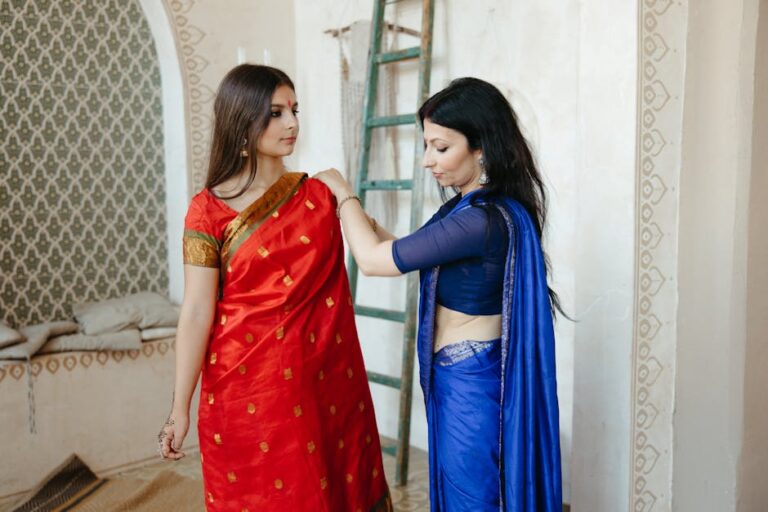
Saree Wearing Styles For Women - Image 2

Before diving into the details of how to wear saree, it’s essential to understand the components that make up this beautiful garment. A saree typically consists of a long piece of fabric, usually between 5 to 9 yards in length, a blouse (choli), and a petticoat (lehenga).

Choosing the Right Saree

Selecting the appropriate saree for an occasion is crucial. Consider factors like the fabric (cotton, silk, chiffon), the pattern (traditional, modern, printed), and the color. For beginners, lighter fabrics and simpler patterns are recommended. Visit indiatimes for a wide range of saree collections and trends.

Seasonal Considerations

The choice of saree also depends on the season. For warmer months, opt for lighter fabrics like cotton or chiffon, while for colder months, thicker fabrics such as wool or velvet are more suitable.

Step-by-Step Guide to Wearing a Saree

Wearing a saree involves several steps:

  • Start by wearing the petticoat and the blouse.
  • Tuck the top edge of the saree into the petticoat, ensuring it is centered.
  • Wrap the saree around your body, usually from right to left, and make pleats as you go.
  • Secure the saree with a safety pin at the shoulder.

Tips for a Perfect Drape

Achieving the perfect drape can elevate the entire look. Practice makes perfect, so don’t be discouraged if it takes a few attempts to get it just right. For more tips on styling and trends, check out hindustantimes.

Cultural Significance and Modern Trends

The saree is not just a piece of clothing; it’s a symbol of cultural heritage and tradition. With modern trends, the saree has evolved, incorporating new fabrics, designs, and draping styles, making it accessible and appealing to a wider audience.

In conclusion, learning how to wear saree is a journey that combines tradition with personal style. With patience and practice, anyone can master this elegant art form, making it a part of their wardrobe for special occasions and everyday wear.

FAQs

What are the basic components of a saree?

A saree consists of the long piece of fabric itself, a blouse (choli), and a petticoat (lehenga).

How do I choose the right saree for an occasion?

Consider the fabric, pattern, and color of the saree, along with the occasion and your personal style.

Is wearing a saree difficult?

While it may seem complex at first, with practice, wearing a saree can become a straightforward and enjoyable process.

Where can I find inspiration for saree styles and trends?

You can find inspiration on various fashion websites, social media platforms, and by visiting local boutiques that specialize in traditional and modern sarees.

Related Reading