
Safarkolkata

Your Trusted Travel Partner

logo

Contact Info

Chicago 12, Melborne City, USA

+88 01682648101

info@example.com

Mastering How to Make Pasta from Scratch

Learning how to make pasta is a culinary skill that can elevate your cooking to the next level. With a few simple ingredients and some practice, you can create delicious homemade pasta dishes that rival those found in Italian restaurants. The process involves combining flour, eggs, and sometimes additional ingredients like olive oil or herbs, then kneading the mixture into a dough, which is subsequently rolled out and cut into various shapes.

Understanding the Basics of Pasta Making

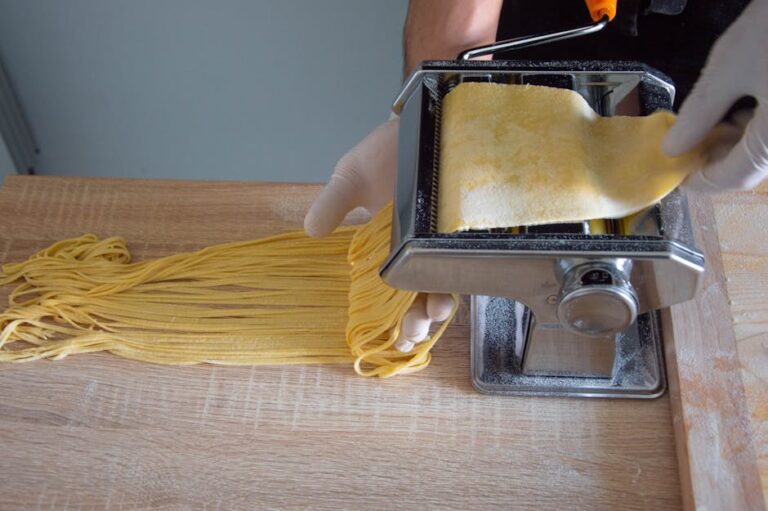
Homemade Pasta Making Process - Image 2

Before diving into the process of how to make pasta, it’s essential to understand the basic components. These typically include '00' flour (or all-purpose flour as a substitute), large eggs, salt, and optionally, olive oil or flavorings. The ratio of flour to eggs can vary depending on the desired texture and the humidity of your environment.

Preparing the Pasta Dough

To start making your pasta, combine your dry ingredients in a large mixing bowl. Create a well in the center and crack in your eggs. Using a fork, gradually incorporate the flour into the eggs, starting from the inner rim of the well. As the mixture comes together, you may need to switch to using your hands to knead the dough. This process can also be done using a stand mixer with a dough hook attachment.

Tips for Achieving the Perfect Dough Consistency

Achieving the right consistency is crucial when learning how to make pasta. The dough should be smooth, elastic, and slightly firm to the touch. If the dough is too sticky, add a bit more flour. If it’s too dry, you can add a small amount of water. Kneading the dough for about 10 minutes will develop the gluten, giving your pasta its chewy texture.

Shaping Your Pasta

Once your dough is ready, it’s time to shape it into your desired pasta form. This could be anything from spaghetti and fettuccine to pappardelle or tortellini. For long, flat shapes like fettuccine, use a pasta machine to roll out the dough to the desired thinness, then cut it into strips using a sharp knife or a pasta cutter. For more complex shapes, you might need specialized tools or a bit of patience and skill.

Common Pasta Shapes and Their Uses

Different pasta shapes pair better with certain sauces. For example:

  • Spaghetti works well with light, oily sauces like carbonara or aglio e olio.
  • Fettuccine is a good match for creamy sauces like Alfredo.
  • Pappardelle can handle hearty, meat-based sauces.

Cooking Your Fresh Pasta

Cooking fresh pasta is quicker than cooking dried pasta. Bring a large pot of salted water to a boil, then gently add your pasta. Fresh pasta typically cooks in 2-4 minutes, or until it floats to the surface. Be careful not to overcook, as this can make the pasta mushy. For more information on various pasta types and cooking techniques, visit epicurious or foodnetwork.

Conclusion on Making Pasta

Mastering how to make pasta is a journey that combines technique, patience, and practice. With time, you’ll find that making pasta from scratch not only adds a personal touch to your meals but also allows for endless creativity in terms of shapes, flavors, and pairings. Whether you’re a beginner or an experienced cook, the reward of a well-crafted, homemade pasta dish is undeniable.

FAQs

What are the basic ingredients needed to make pasta?

The basic ingredients include flour, eggs, and salt. Sometimes, olive oil or herbs are added for extra flavor.

How long does it take to cook fresh pasta?

Fresh pasta typically cooks in 2-4 minutes, or until it floats to the surface.

What is the best way to store fresh pasta?

Fresh pasta can be stored in an airtight container in the refrigerator for up to 2 days or frozen for later use.

Can I make pasta without a pasta machine?

Yes, you can make pasta without a pasta machine by rolling out the dough with a rolling pin, though achieving uniform thickness might be more challenging.

Related Reading