
Safarkolkata

Your Trusted Travel Partner

logo

Contact Info

Chicago 12, Melborne City, USA

+88 01682648101

info@example.com

Mastering Pasta: How to Make Pasta

Learning how to make pasta is a culinary journey that combines tradition, technique, and creativity. Whether you’re a beginner in the kitchen or an experienced chef, mastering the art of pasta making can elevate your cooking skills and provide endless meal options. In this article, we’ll delve into the world of pasta, exploring its history, the basic steps of making pasta, and how to pair it with the perfect sauce.

Understanding Pasta Basics

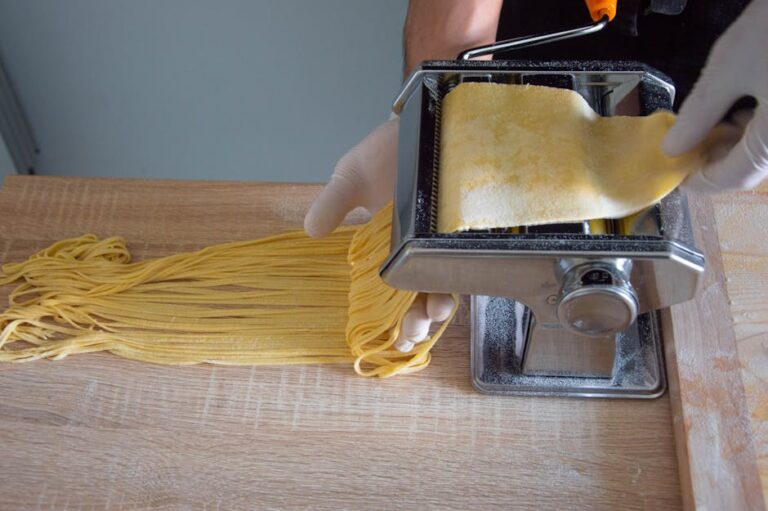
Homemade Pasta Making Process - Image 2

Pasta is a staple in many cuisines around the world, particularly in Italian cooking. It comes in various shapes and sizes, each designed to hold onto different types of sauces. From spaghetti and linguine for light, oily sauces to pappardelle and rigatoni for hearty, chunky sauces, the variety of pasta shapes is as diverse as the sauces they’re paired with.

Choosing the Right Ingredients

The foundation of making great pasta is in the ingredients. For homemade pasta, you’ll need 00 flour, eggs, and sometimes olive oil or water. The quality of these ingredients can significantly impact the taste and texture of your pasta. When buying flour, look for Caputo or similar high-quality flour brands. For store-bought pasta, consider brands known for their quality like Barilla.

Essential Tools for Pasta Making

Making pasta at home requires a few essential tools: a pasta machine for rolling out the dough, a sharp knife or pasta cutter for cutting the pasta into the desired shape, and a large pot for boiling the pasta.

Basic Steps to Make Pasta

The process of how to make pasta involves several key steps: mixing the dough, kneading, resting, rolling, cutting, and cooking. Here’s a brief overview:

  • Mix the flour and eggs together until a dough forms.
  • Knead the dough for about 10 minutes until it becomes smooth and elastic.
  • Let the dough rest for at least 30 minutes.
  • Roll out the dough using a pasta machine to your desired thickness.
  • Cut the pasta into the desired shape.
  • Cook the pasta in boiling, salted water until al dente.

Picking the Perfect Sauce

The sauce can make or break a pasta dish. Here are a few popular sauce options and the pasta shapes they pair well with:

  • Tomato Sauce: Pairs well with spaghetti, penne, and rigatoni.
  • Pesto: Goes well with linguine, fettuccine, and farfalle.
  • Carbonara: Traditionally paired with spaghetti.

Conclusion on Making Pasta

Mastering how to make pasta is a skill that opens up a world of culinary possibilities. Whether you’re making it from scratch or using store-bought pasta, the key to a great pasta dish is in the quality of the ingredients and the care with which it’s prepared. For more recipes and cooking tips, visit epicurious or foodnetwork.

FAQs

What is the best flour for making pasta?

00 flour, such as Caputo, is highly recommended for making pasta due to its fine texture and low gluten content.

How long does it take to cook pasta?

The cooking time for pasta varies depending on the shape and size, but generally, it takes between 8 to 12 minutes to cook al dente.

Can I make pasta without a pasta machine?

Yes, while a pasta machine makes it easier to roll out the dough evenly, you can also use a rolling pin to achieve a similar result with a bit more effort.

What is the difference between al dente and overcooked pasta?

Al dente pasta has a slightly firm bite, while overcooked pasta is soft and mushy. Al dente is generally preferred as it holds onto sauces better and has a more pleasing texture.

How do I store homemade pasta?

Homemade pasta can be stored in an airtight container in the refrigerator for up to 2 days or frozen for up to 6 months.

Related Reading