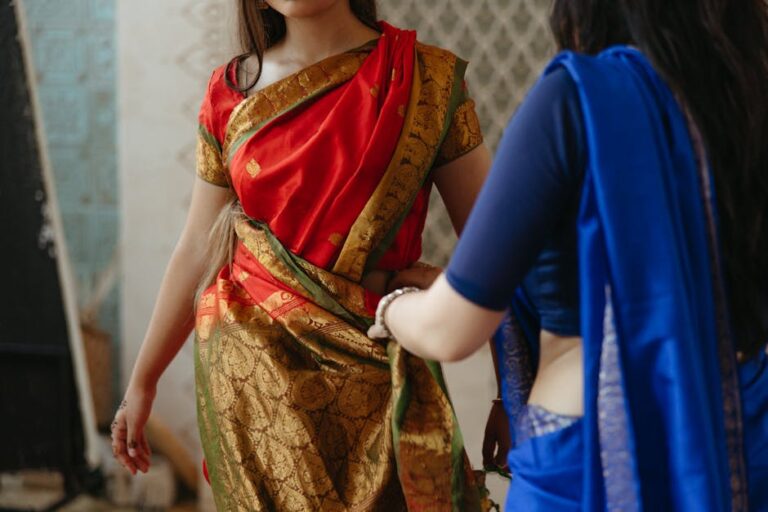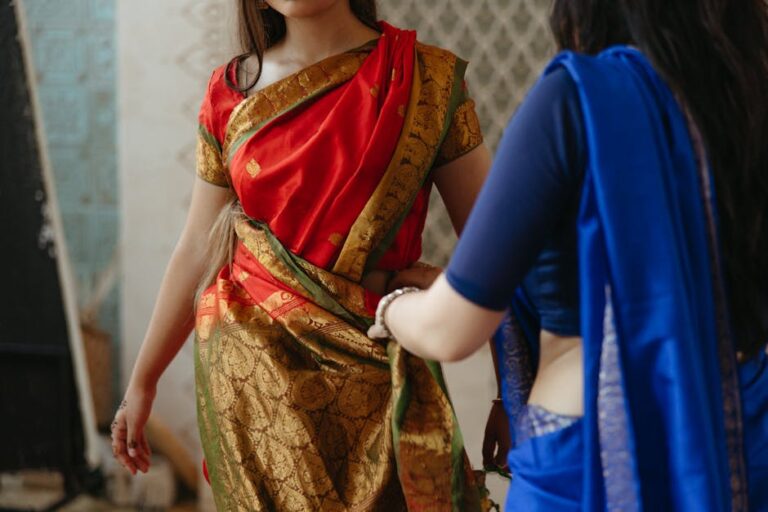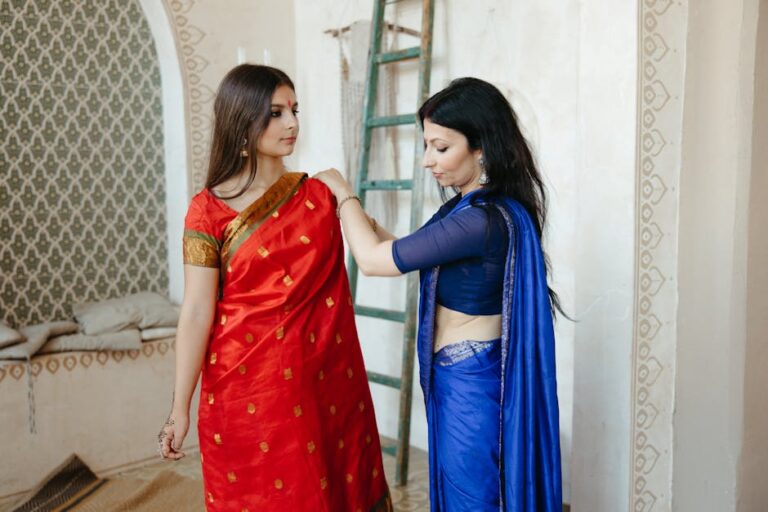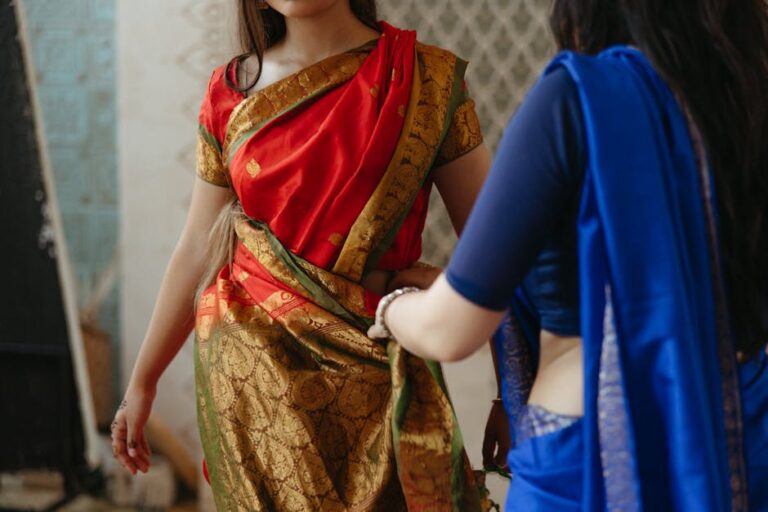
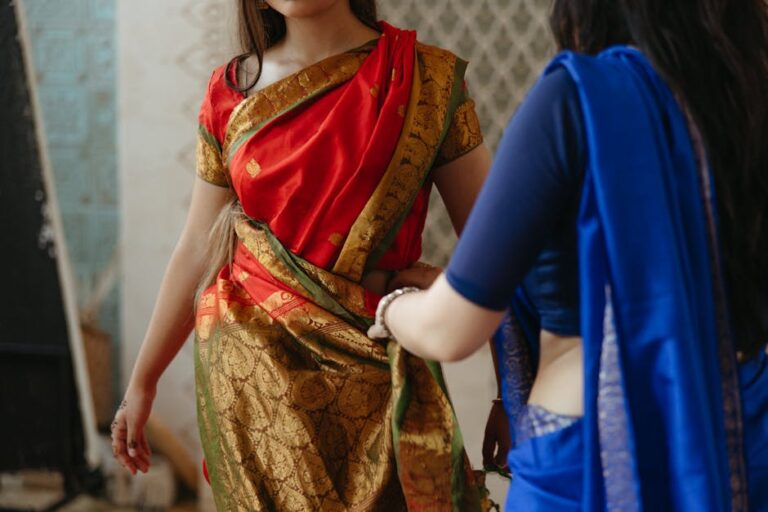
Learning how to wear saree is an art that requires patience, practice, and dedication. The saree is a timeless and versatile garment that has been a part of Indian culture for centuries. With its rich history and cultural significance, wearing a saree can be a truly empowering experience. In this article, we will explore the different ways to wear a saree, from traditional to modern styles.
Understanding Saree Basics

Before we dive into the different ways of wearing a saree, it’s essential to understand the basics. A saree typically consists of a long piece of fabric, usually 5-6 yards in length, which is draped around the body in a specific way.
Traditional Saree Draping Styles
There are several traditional ways of draping a saree, each with its unique style and elegance. Some of the most popular traditional styles include:
- Nivi style: This is one of the most common ways of wearing a saree, where the fabric is draped around the waist and then pleated and tucked into the petticoat.
- Seedha style: This style involves draping the saree in a way that the pallu (the decorative end of the saree) falls over the left shoulder.
- Madisar style: This style is typically worn by Brahmin women and involves draping the saree in a way that the pallu falls over the right shoulder.
Modern Saree Draping Styles
In recent years, there has been a resurgence of interest in sarees, with many young women experimenting with modern ways of draping them. Some popular modern styles include:
- Pre-draped sarees: These are sarees that come with pre-attached pleats and can be easily slipped on like a skirt.
- Saree-gowns: These are hybrid garments that combine the elegance of a saree with the comfort of a gown.
Tips For Wearing A Saree
Wearing a saree can be intimidating, especially for beginners. Here are some tips to help you wear a saree with confidence:
- Choose a comfortable petticoat: A well-fitting petticoat is essential for wearing a saree comfortably.
- Practice makes perfect: Don’t be discouraged if you don’t get it right the first time. Practice draping a saree in front of a mirror until you feel confident.
- Accessories are key: Add a statement piece of jewelry or a pair of elegant sandals to complete your saree look.
Conclusion
Learning how to wear saree is a journey that requires patience, practice, and dedication. With its rich history and cultural significance, wearing a saree can be a truly empowering experience. For more information on sarees and Indian fashion, visit hindustantimes or thehindu.
FAQs
What is the best way to wear a saree for beginners?
The best way to wear a saree for beginners is to start with a simple style, such as the Nivi style, and practice draping it in front of a mirror until you feel confident.
What are the different types of sarees?
There are several types of sarees, including cotton, silk, chiffon, and georgette, each with its unique texture and drape.
How do I choose the right saree for my body type?
Choosing the right saree for your body type depends on your height, weight, and skin tone. For example, petite women look best in lighter colors and smaller prints, while taller women can pull off bolder colors and larger prints.
Can I wear a saree for a formal event?
Yes, a saree can be a stunning and elegant choice for a formal event, such as a wedding or a black-tie gala.
How do I care for my saree?
To care for your saree, avoid washing it in hot water, and instead, hand wash it in cold water with a mild detergent. Also, avoid wringing or twisting the fabric, as this can cause it to lose its shape and texture.