
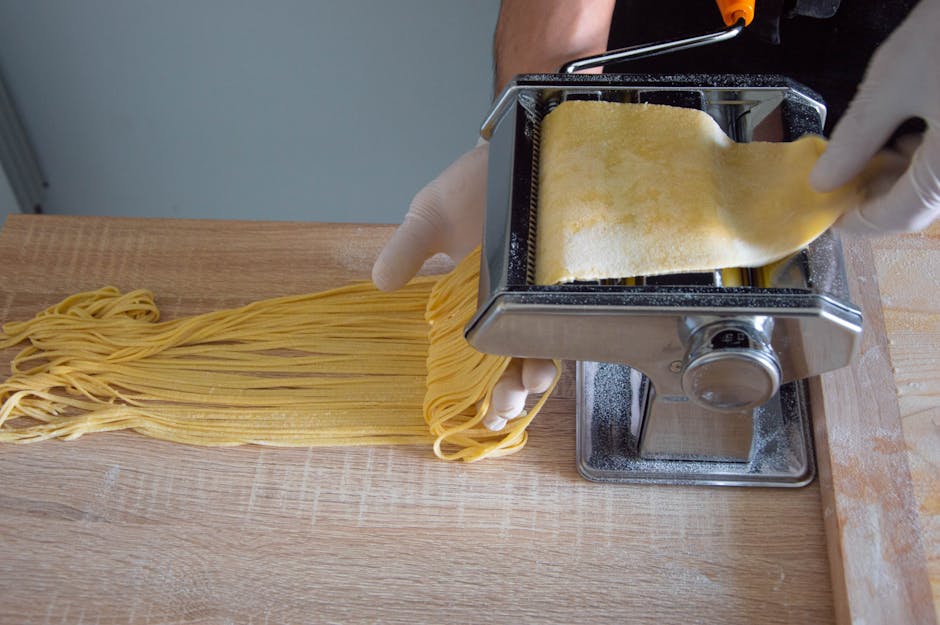
Discovering how to make pasta can be a transformative experience for any home cook. With a few simple ingredients and some practice, you can create a wide variety of delicious pasta dishes. The process involves mixing, kneading, and shaping dough, followed by cooking it to perfection. Understanding how to make pasta is the first step to exploring a world of Italian cuisine.
Understanding the Basics of Pasta Making
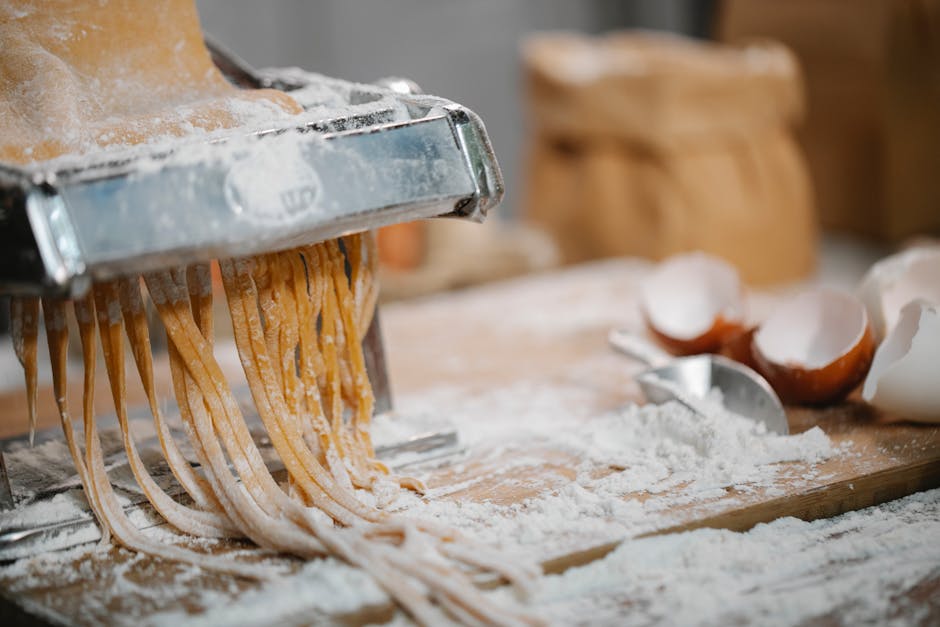
Pasta making starts with understanding the basic ingredients: flour, eggs, salt, and sometimes olive oil or water. The quality of these ingredients can significantly impact the final product. For instance, using '00' flour (caputo flour) can lead to a more tender and delicate pasta.
Choosing the Right Flour
The type of flour used is crucial. '00' flour, all-purpose flour, and semolina are popular choices, each yielding a different texture and flavor. '00' flour is ideal for making delicate pasta shapes like spaghetti and fettuccine.
Preparing the Pasta Dough
To start making pasta, combine flour and eggs in a mixing bowl. The general ratio is 1 large egg per 100 grams of flour, but this can vary depending on the humidity and the type of flour used. Mix the ingredients together until they form a ball, then knead for about 10 minutes until the dough becomes smooth and elastic.
Kneading Techniques
Kneading is a critical step in how to make pasta. It develops the gluten in the dough, which gives pasta its chewy texture. Proper kneading involves pushing down on the dough with the heel of your hand, folding it back, and repeating the process.
Cooking Your Pasta
After the dough has rested, it's time to roll it out and shape it into your desired pasta form. Cooking pasta is relatively straightforward: boil a large pot of salted water, add your pasta, and cook until it's al dente. The key is not to overcook it, as this can lead to a mushy, unappetizing texture.
Tips for the Perfect Pasta Dish
For a great pasta dish, consider the following tips:
- Use high-quality ingredients, including fresh vegetables and real cheese.
- Don't overcook your pasta; al dente is usually the way to go.
- Experiment with different sauces and seasonings to find your favorite flavors.
For more detailed recipes and techniques on how to make pasta, consider visiting epicurious or foodnetwork for a wealth of information and inspiration.
Conclusion on Making Pasta
Learning how to make pasta is a rewarding process that opens the door to a world of culinary creativity. With practice, patience, and the right ingredients, anyone can master the art of pasta making. Remember, the key to perfect pasta is in the details: the quality of the ingredients, the technique in kneading and shaping, and the timing in cooking.
FAQs
What is the best type of flour to use for making pasta?
The best type of flour for making pasta is often considered to be '00' flour, due to its fine texture and low gluten content, which helps to create a tender and delicate pasta.
How long should I knead the pasta dough?
Kneading the pasta dough for about 10 minutes is recommended, until it becomes smooth and elastic, indicating that the gluten has been well-developed.
What does al dente mean in cooking pasta?
Al dente is an Italian term that means 'to the tooth.' It refers to the texture of cooked pasta that still has a bit of bite or chew to it, rather than being soft and overcooked.
Can I store homemade pasta?
Yes, homemade pasta can be stored. It's best to dry it completely after shaping, then store it in an airtight container for up to a few days. It can also be frozen for longer storage.