Safarkolkata

Your Trusted Travel Partner

logo

Contact Info

Chicago 12, Melborne City, USA

+88 01682648101

info@example.com

Mastering How to Make Pasta from Scratch

Learning how to make pasta is a culinary skill that can elevate your cooking to the next level. With a few simple ingredients and some practice, you can create delicious homemade pasta dishes that rival those found in Italian restaurants. The process involves combining flour, eggs, and sometimes additional ingredients like olive oil or herbs, then kneading the mixture into a dough, which is subsequently rolled out and cut into various shapes.

Understanding the Basics of Pasta Making

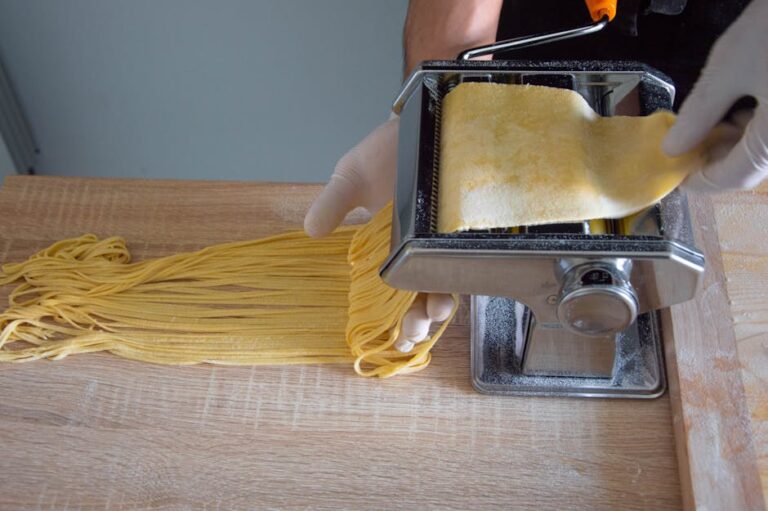
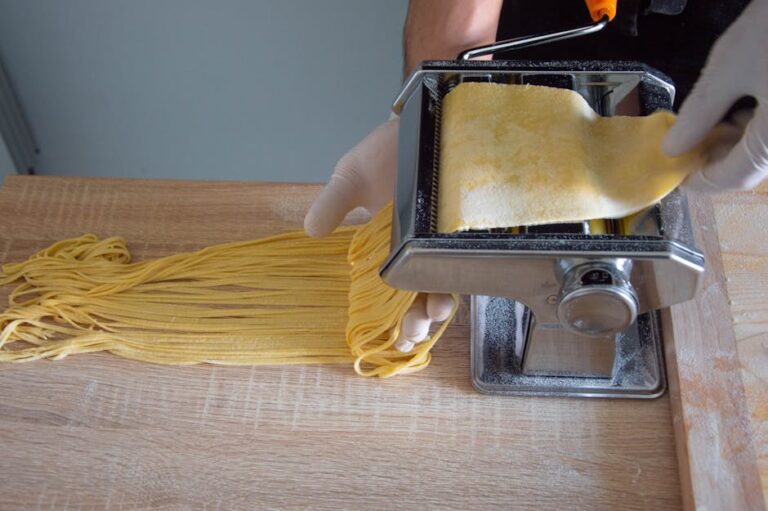
Homemade Pasta Making Process - Image 2

Before diving into the process of how to make pasta, it’s essential to understand the basic components. These typically include '00' flour (or all-purpose flour as a substitute), large eggs, salt, and optionally, olive oil or flavorings. The ratio of flour to eggs can vary depending on the desired texture and the humidity of your environment.

Preparing the Pasta Dough

To start making your pasta, combine your dry ingredients in a large mixing bowl. Create a well in the center and crack in your eggs. Using a fork, gradually incorporate the flour into the eggs, starting from the inner rim of the well. As the mixture comes together, you may need to switch to using your hands to knead the dough. This process can also be done using a stand mixer with a dough hook attachment.

Tips for Achieving the Perfect Dough Consistency

Achieving the right consistency is crucial when learning how to make pasta. The dough should be smooth, elastic, and slightly firm to the touch. If the dough is too sticky, add a bit more flour. If it’s too dry, you can add a small amount of water. Kneading the dough for about 10 minutes will develop the gluten, giving your pasta its chewy texture.

Shaping Your Pasta

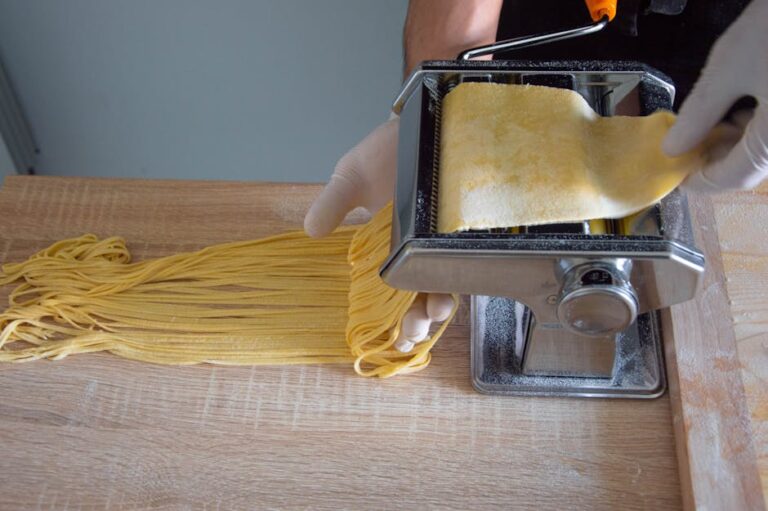
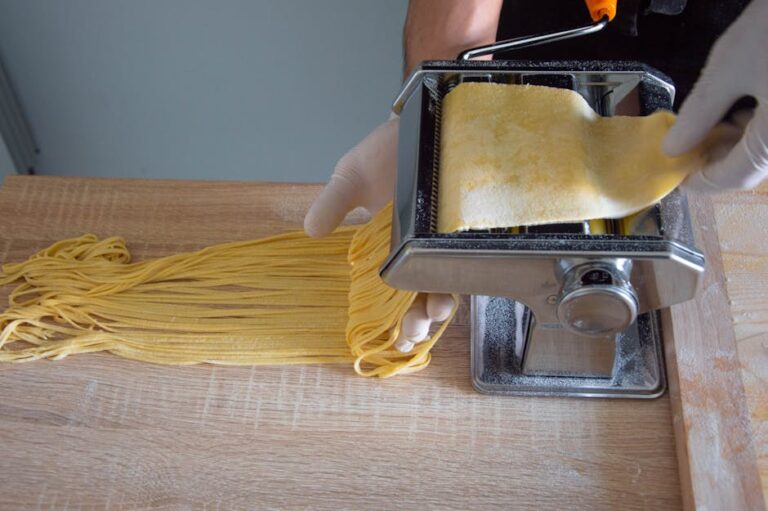
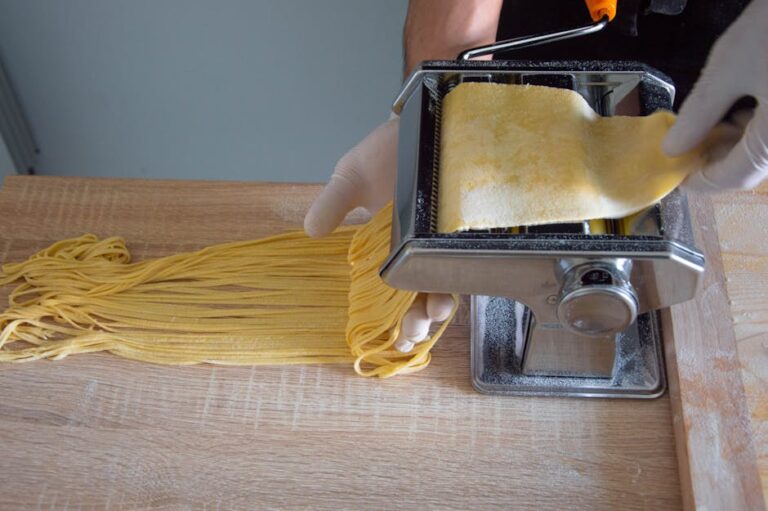
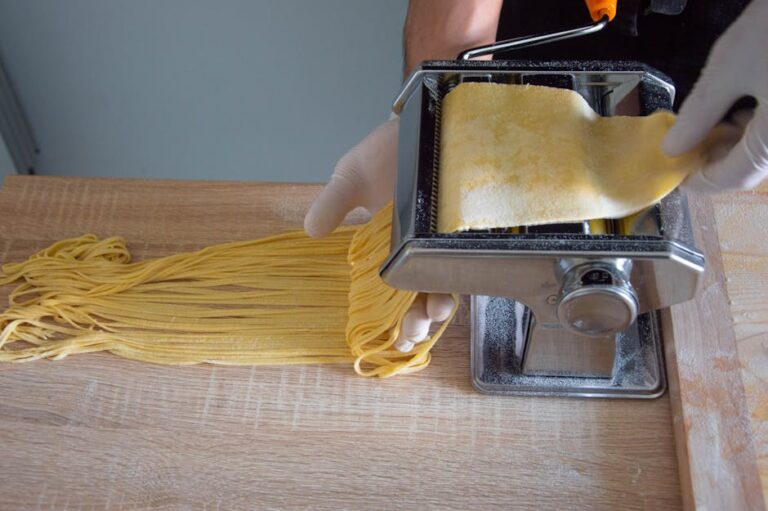
Once your dough is ready, it’s time to shape it into your desired pasta form. This could be anything from spaghetti and fettuccine to pappardelle or tortellini. For long, flat shapes like fettuccine, use a pasta machine to roll out the dough to the desired thinness, then cut it into strips using a sharp knife or a pasta cutter. For more complex shapes, you might need specialized tools or a bit of patience and skill.

Common Pasta Shapes and Their Uses

Different pasta shapes pair better with certain sauces. For example:

  • Spaghetti works well with light, oily sauces like carbonara or aglio e olio.
  • Fettuccine is a good match for creamy sauces like Alfredo.
  • Pappardelle can handle hearty, meat-based sauces.

Cooking Your Fresh Pasta

Cooking fresh pasta is quicker than cooking dried pasta. Bring a large pot of salted water to a boil, then gently add your pasta. Fresh pasta typically cooks in 2-4 minutes, or until it floats to the surface. Be careful not to overcook, as this can make the pasta mushy. For more information on various pasta types and cooking techniques, visit epicurious or foodnetwork.

Conclusion on Making Pasta

Mastering how to make pasta is a journey that combines technique, patience, and practice. With time, you’ll find that making pasta from scratch not only adds a personal touch to your meals but also allows for endless creativity in terms of shapes, flavors, and pairings. Whether you’re a beginner or an experienced cook, the reward of a well-crafted, homemade pasta dish is undeniable.

FAQs

What are the basic ingredients needed to make pasta?

The basic ingredients include flour, eggs, and salt. Sometimes, olive oil or herbs are added for extra flavor.

How long does it take to cook fresh pasta?

Fresh pasta typically cooks in 2-4 minutes, or until it floats to the surface.

What is the best way to store fresh pasta?

Fresh pasta can be stored in an airtight container in the refrigerator for up to 2 days or frozen for later use.

Can I make pasta without a pasta machine?

Yes, you can make pasta without a pasta machine by rolling out the dough with a rolling pin, though achieving uniform thickness might be more challenging.

Related Reading

Mastering Pasta: Learn How to Make Pasta

Learning how to make pasta is an essential skill for any home cook, offering endless possibilities for creative and delicious meals. With a few simple tools and ingredients, you can create a variety of pasta dishes that are sure to impress. In this article, we will explore the basics of making pasta, including the necessary tools, ingredients, and techniques. Whether you are a beginner or an experienced cook, this guide will provide you with the knowledge and confidence to create your own homemade pasta.

Understanding the Basics of Pasta Making

Homemade Pasta Making Process - Image 2

Before you start making pasta, it’s essential to understand the basics. This includes the type of flour to use, the importance of eggs, and the role of salt. Traditional pasta is made with ’00’ flour, which is a finely milled flour that produces a smooth and tender dough. Eggs provide moisture, richness, and structure to the pasta, while salt enhances the flavor and helps to strengthen the gluten.

Gathering the Necessary Tools and Ingredients

To make pasta, you will need a few essential tools and ingredients. These include:

  • A stand mixer or hand mixer with a dough hook attachment
  • A wooden or marble surface for kneading the dough
  • A rolling pin or pasta machine for rolling out the dough
  • ’00’ flour
  • Eggs
  • Salt

Preparing the Pasta Dough

Once you have gathered all the necessary tools and ingredients, it’s time to prepare the pasta dough. This involves combining the flour, eggs, and salt in a mixing bowl and kneading the mixture until it forms a smooth and elastic dough. The dough should be kneaded for at least 10 minutes to develop the gluten, which will give the pasta its structure and texture.

Tips for Kneading the Dough

Kneading the dough is an essential step in making pasta. Here are a few tips to help you get it right:

  • Use a light touch when kneading the dough to avoid developing too much gluten
  • Knead the dough for at least 10 minutes to develop the gluten
  • Use a wooden or marble surface to knead the dough, as these surfaces will help to keep the dough cool and prevent it from sticking

Rolling Out the Pasta Dough

Once the pasta dough has been kneaded, it’s time to roll it out. This can be done using a rolling pin or a pasta machine. If using a rolling pin, roll the dough out to a thickness of about 1/16 inch. If using a pasta machine, start at the thickest setting and gradually decrease the thickness as you roll out the dough.

Cooking and Serving the Pasta

Cooking and serving the pasta is the final step in the process. To cook the pasta, bring a large pot of salted water to a boil and add the pasta. Cook the pasta for 2-4 minutes, or until it is al dente. Drain the pasta and serve it with your favorite sauce. For more information on cooking pasta, visit epicurious or foodnetwork.

In conclusion, learning how to make pasta is a rewarding and delicious experience. With the right tools, ingredients, and techniques, you can create a variety of pasta dishes that are sure to impress. Whether you are a beginner or an experienced cook, this guide has provided you with the knowledge and confidence to create your own homemade pasta.

FAQs

What type of flour is best for making pasta?

The best type of flour for making pasta is '00' flour, which is a finely milled flour that produces a smooth and tender dough.

How long should I knead the pasta dough?

The pasta dough should be kneaded for at least 10 minutes to develop the gluten, which will give the pasta its structure and texture.

What is the best way to cook pasta?

The best way to cook pasta is to bring a large pot of salted water to a boil and add the pasta. Cook the pasta for 2-4 minutes, or until it is al dente.

Can I use a rolling pin to roll out the pasta dough?

Yes, you can use a rolling pin to roll out the pasta dough. However, a pasta machine is preferred as it will give a more uniform thickness and texture.

How do I store leftover pasta?

Leftover pasta can be stored in an airtight container in the refrigerator for up to 3 days. It can also be frozen for up to 6 months.

Related Reading

Mastering How to Make Pasta

Discovering how to make pasta can be a transformative experience for any home cook. With a few simple ingredients and some basic techniques, you can create a wide variety of delicious pasta dishes. In this article, we’ll explore the fundamentals of making pasta, including the ingredients, equipment, and methods you’ll need to get started.

Choosing the Right Ingredients

Homemade Pasta Making Process - Image 2

The quality of your ingredients can greatly impact the flavor and texture of your pasta. Look for high-protein flour, such as bread flour or all-purpose flour with a high protein content, as it will produce a more tender and elastic dough. You’ll also need eggs, salt, and water to complete the dough.

Understanding Pasta Making Techniques

There are several key techniques to master when learning how to make pasta. These include mixing and kneading the dough, rolling it out to the correct thickness, and cutting it into the desired shape. You can use a stand mixer or a hand-cranked pasta machine to simplify the process.

Pasta Making Tools and Equipment

In addition to a pasta machine, you may also want to invest in a colander, a cutting tool, and a clean work surface for kneading and shaping your pasta. A food scale can also be helpful for measuring ingredients accurately.

Basic Pasta Recipes to Try

Once you’ve mastered the basics of how to make pasta, you can start experimenting with different recipes and flavors. Some popular options include:

  • Spaghetti carbonara with bacon and eggs
  • Fettuccine Alfredo with parmesan and cream
  • Tortellini with cheese and herbs

Tips and Variations for Making Pasta

To take your pasta making to the next level, consider trying some of the following tips and variations:

  • Adding flavorings such as herbs, spices, or vegetables to the dough
  • Using different shapes and sizes of pasta to change the texture and presentation
  • Experimenting with gluten-free or whole wheat flour for a healthier option

Conclusion and Further Resources

With these tips and techniques, you’re well on your way to learning how to make pasta like a pro. For more information and inspiration, be sure to check out epicurious and foodnetwork for a wide range of recipes and cooking guides.

FAQs

What type of flour is best for making pasta?

High-protein flour, such as bread flour or all-purpose flour with a high protein content, is best for making pasta.

Can I make pasta without a pasta machine?

Yes, you can make pasta without a pasta machine by using a rolling pin or a sharp knife to roll and cut the dough.

How long does it take to make pasta from scratch?

Making pasta from scratch can take anywhere from 30 minutes to several hours, depending on the complexity of the recipe and the number of servings.

Can I freeze homemade pasta?

Yes, you can freeze homemade pasta for up to 6 months. Simply shape and dry the pasta, then store it in an airtight container or freezer bag.

What are some common mistakes to avoid when making pasta?

Common mistakes to avoid when making pasta include overworking the dough, using low-quality ingredients, and not cooking the pasta long enough.

Related Reading

Mastering Pasta: Learn How to Make Pasta

Learning how to make pasta can be an exciting culinary adventure. With the right ingredients and techniques, you can create delicious homemade pasta dishes that impress your family and friends. To get started, you’ll need a few basic ingredients, including flour, eggs, and salt. In this article, we’ll explore the world of pasta making and provide you with a step-by-step guide on how to make pasta from scratch.

Understanding Pasta Ingredients

Homemade Pasta Making Process - Image 2

The quality of your pasta depends on the ingredients you use. Here are some key ingredients to keep in mind:

  • Flour: You can use all-purpose flour or specialty flours like semolina or caputo.
  • Eggs: Fresh eggs are essential for creating a rich and tender pasta dough.
  • Salt: Add a pinch of salt to enhance the flavor of your pasta.

Preparing the Pasta Dough

To create the perfect pasta dough, you’ll need to combine your ingredients and knead the mixture until it becomes smooth and elastic. Here’s a simple recipe to get you started:

Combine 1 cup of flour, 1 egg, and a pinch of salt in a mixing bowl. Mix the ingredients together until a dough forms, then knead the dough for 5-10 minutes until it becomes smooth and elastic.

Cooking Your Pasta

Cooking your pasta is a crucial step in the how to make pasta process. Here are some tips to keep in mind:

Cook your pasta in a large pot of boiling, salted water. Stir the pasta occasionally to prevent it from sticking together. Cook the pasta until it’s al dente, then drain it in a colander and serve with your favorite sauce.

Shaping Your Pasta

Shaping your pasta is a fun and creative process. You can use a pasta machine or a sharp knife to shape your pasta into various forms, such as spaghetti, fettuccine, or pappardelle.

Tips and Variations

Here are some tips and variations to keep in mind when learning how to make pasta:

Experiment with different ingredients, such as herbs, spices, and vegetables, to create unique and delicious pasta flavors. Try using a pasta machine to shape your pasta into uniform strands. Practice makes perfect, so don’t be discouraged if your first batch of homemade pasta doesn’t turn out perfectly.

Common Mistakes to Avoid

Here are some common mistakes to avoid when making pasta:

  • Overworking the dough, which can lead to tough and chewy pasta.
  • Undercooking or overcooking the pasta, which can affect its texture and flavor.
  • Not using enough salt in the cooking water, which can result in bland and unappetizing pasta.

For more information on how to make pasta, visit epicurious or foodnetwork for recipes and cooking tips.

FAQs

What type of flour is best for making pasta?

All-purpose flour or specialty flours like semolina or caputo are good options.

How long does it take to cook pasta?

The cooking time for pasta varies depending on the type and shape, but it's usually between 2-10 minutes.

Can I add flavorings to my pasta dough?

Yes, you can add flavorings like herbs, spices, and vegetables to create unique and delicious pasta flavors.

Do I need a pasta machine to make pasta?

No, you don't need a pasta machine to make pasta, but it can be helpful for shaping uniform strands.

Related Reading

Mastering Pasta: How to Make Pasta

Learning how to make pasta is a culinary journey that combines tradition, technique, and creativity. Whether you’re a beginner in the kitchen or an experienced chef, mastering the art of pasta making can elevate your cooking skills and provide endless meal options. In this article, we’ll delve into the world of pasta, exploring its history, the basic steps of making pasta, and how to pair it with the perfect sauce.

Understanding Pasta Basics

Homemade Pasta Making Process - Image 2

Pasta is a staple in many cuisines around the world, particularly in Italian cooking. It comes in various shapes and sizes, each designed to hold onto different types of sauces. From spaghetti and linguine for light, oily sauces to pappardelle and rigatoni for hearty, chunky sauces, the variety of pasta shapes is as diverse as the sauces they’re paired with.

Choosing the Right Ingredients

The foundation of making great pasta is in the ingredients. For homemade pasta, you’ll need 00 flour, eggs, and sometimes olive oil or water. The quality of these ingredients can significantly impact the taste and texture of your pasta. When buying flour, look for Caputo or similar high-quality flour brands. For store-bought pasta, consider brands known for their quality like Barilla.

Essential Tools for Pasta Making

Making pasta at home requires a few essential tools: a pasta machine for rolling out the dough, a sharp knife or pasta cutter for cutting the pasta into the desired shape, and a large pot for boiling the pasta.

Basic Steps to Make Pasta

The process of how to make pasta involves several key steps: mixing the dough, kneading, resting, rolling, cutting, and cooking. Here’s a brief overview:

  • Mix the flour and eggs together until a dough forms.
  • Knead the dough for about 10 minutes until it becomes smooth and elastic.
  • Let the dough rest for at least 30 minutes.
  • Roll out the dough using a pasta machine to your desired thickness.
  • Cut the pasta into the desired shape.
  • Cook the pasta in boiling, salted water until al dente.

Picking the Perfect Sauce

The sauce can make or break a pasta dish. Here are a few popular sauce options and the pasta shapes they pair well with:

  • Tomato Sauce: Pairs well with spaghetti, penne, and rigatoni.
  • Pesto: Goes well with linguine, fettuccine, and farfalle.
  • Carbonara: Traditionally paired with spaghetti.

Conclusion on Making Pasta

Mastering how to make pasta is a skill that opens up a world of culinary possibilities. Whether you’re making it from scratch or using store-bought pasta, the key to a great pasta dish is in the quality of the ingredients and the care with which it’s prepared. For more recipes and cooking tips, visit epicurious or foodnetwork.

FAQs

What is the best flour for making pasta?

00 flour, such as Caputo, is highly recommended for making pasta due to its fine texture and low gluten content.

How long does it take to cook pasta?

The cooking time for pasta varies depending on the shape and size, but generally, it takes between 8 to 12 minutes to cook al dente.

Can I make pasta without a pasta machine?

Yes, while a pasta machine makes it easier to roll out the dough evenly, you can also use a rolling pin to achieve a similar result with a bit more effort.

What is the difference between al dente and overcooked pasta?

Al dente pasta has a slightly firm bite, while overcooked pasta is soft and mushy. Al dente is generally preferred as it holds onto sauces better and has a more pleasing texture.

How do I store homemade pasta?

Homemade pasta can be stored in an airtight container in the refrigerator for up to 2 days or frozen for up to 6 months.

Related Reading

Master How to Make Pasta

Discovering how to make pasta can be a game-changer for any food enthusiast. Not only does it allow you to create a wide variety of dishes, but it also enables you to control the ingredients and the nutritional value of your meals. In this article, we will delve into the world of pasta making, exploring its history, the basic ingredients needed, and the steps involved in creating delicious pasta dishes.

Introduction to Pasta Making

Homemade Pasta Making Process - Image 2

Pasta has been a staple in Italian cuisine for centuries, with its origins dating back to ancient times. The process of making pasta involves mixing flour, eggs, and water to create a dough, which is then shaped into various forms. The art of how to make pasta has been passed down through generations, with each region in Italy having its unique pasta-making traditions.

Ingredients and Equipment Needed

To start making pasta, you will need the following ingredients and equipment:

  • 1 cup of all-purpose flour
  • 1 large egg
  • Water
  • A mixing bowl
  • A rolling pin
  • A pasta machine or a sharp knife

Basic Pasta Making Techniques

Mastering the basic techniques of pasta making is essential to creating delicious and authentic dishes. These techniques include mixing the dough, kneading, and shaping the pasta into various forms. For more information on pasta making techniques, visit epicurious or foodnetwork.

Shaping and Cooking Pasta

Once you have created your pasta dough, it’s time to shape it into your desired form. This can be done using a pasta machine or a sharp knife. After shaping, cook your pasta in boiling, salted water until it’s al dente. The key to cooking perfect pasta is to not overcook it, as this can result in a mushy texture.

Conclusion

In conclusion, learning how to make pasta is a rewarding and delicious experience. With practice and patience, you can create a wide variety of pasta dishes that are sure to impress your family and friends. Remember to experiment with different ingredients and techniques to find your favorite pasta recipes.

FAQs

What are the basic ingredients needed to make pasta?

The basic ingredients needed to make pasta are flour, eggs, and water.

How do I cook pasta?

Cook pasta in boiling, salted water until it's al dente.

Can I make pasta without a pasta machine?

Yes, you can make pasta without a pasta machine by using a sharp knife to shape the dough.

What is the best way to store homemade pasta?

The best way to store homemade pasta is to dry it completely and store it in an airtight container.

Related Reading