Learning how to make pasta is an essential skill for any home cook, offering endless possibilities for creative and delicious meals. With a few simple tools and ingredients, you can create a variety of pasta dishes that are sure to impress. In this article, we will explore the basics of making pasta, including the necessary tools, ingredients, and techniques. Whether you are a beginner or an experienced cook, this guide will provide you with the knowledge and confidence to create your own homemade pasta.
Understanding the Basics of Pasta Making
Before you start making pasta, it’s essential to understand the basics. This includes the type of flour to use, the importance of eggs, and the role of salt. Traditional pasta is made with ’00’ flour, which is a finely milled flour that produces a smooth and tender dough. Eggs provide moisture, richness, and structure to the pasta, while salt enhances the flavor and helps to strengthen the gluten.
Gathering the Necessary Tools and Ingredients
To make pasta, you will need a few essential tools and ingredients. These include:
- A stand mixer or hand mixer with a dough hook attachment
- A wooden or marble surface for kneading the dough
- A rolling pin or pasta machine for rolling out the dough
- ’00’ flour
- Eggs
- Salt
Preparing the Pasta Dough
Once you have gathered all the necessary tools and ingredients, it’s time to prepare the pasta dough. This involves combining the flour, eggs, and salt in a mixing bowl and kneading the mixture until it forms a smooth and elastic dough. The dough should be kneaded for at least 10 minutes to develop the gluten, which will give the pasta its structure and texture.
Tips for Kneading the Dough
Kneading the dough is an essential step in making pasta. Here are a few tips to help you get it right:
- Use a light touch when kneading the dough to avoid developing too much gluten
- Knead the dough for at least 10 minutes to develop the gluten
- Use a wooden or marble surface to knead the dough, as these surfaces will help to keep the dough cool and prevent it from sticking
Rolling Out the Pasta Dough
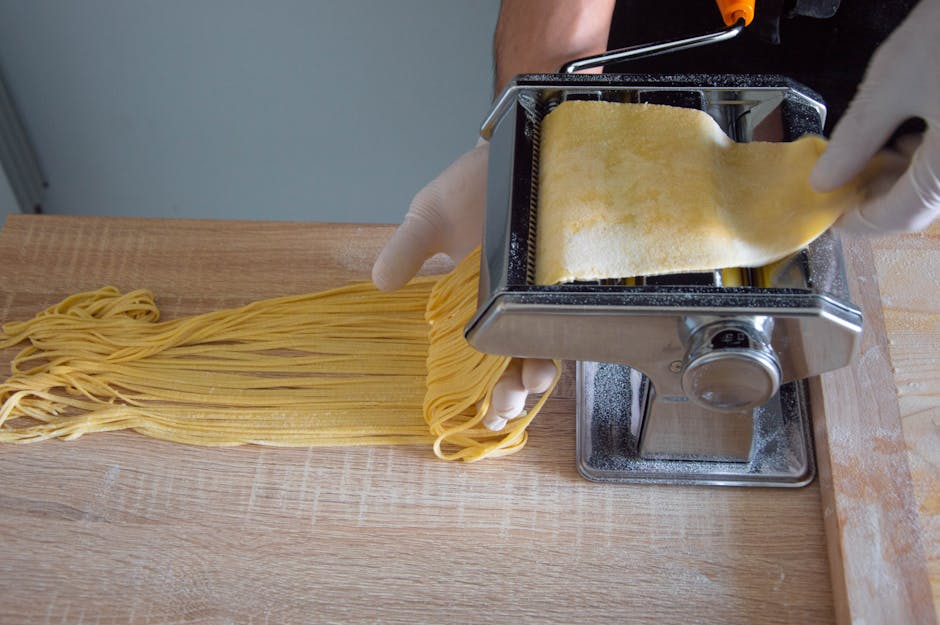
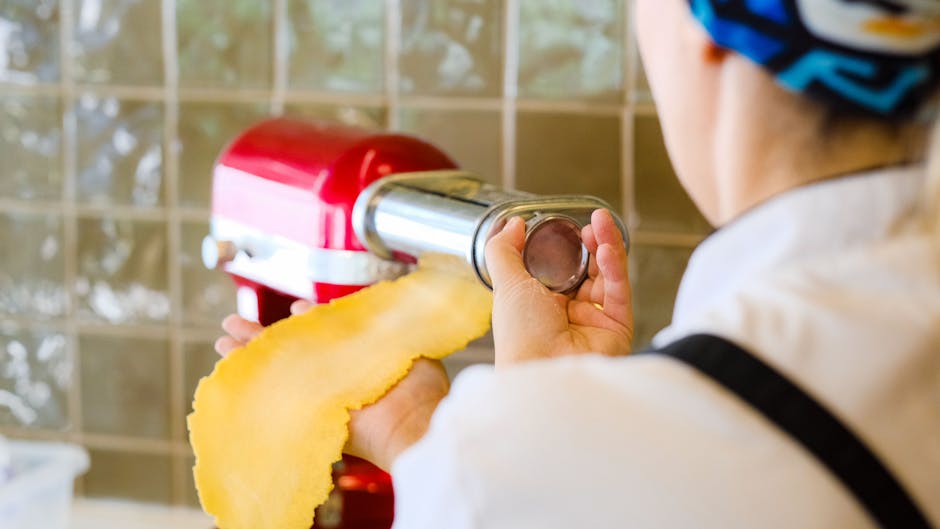
Once the pasta dough has been kneaded, it’s time to roll it out. This can be done using a rolling pin or a pasta machine. If using a rolling pin, roll the dough out to a thickness of about 1/16 inch. If using a pasta machine, start at the thickest setting and gradually decrease the thickness as you roll out the dough.
Cooking and Serving the Pasta
Cooking and serving the pasta is the final step in the process. To cook the pasta, bring a large pot of salted water to a boil and add the pasta. Cook the pasta for 2-4 minutes, or until it is al dente. Drain the pasta and serve it with your favorite sauce. For more information on cooking pasta, visit epicurious or foodnetwork.
In conclusion, learning how to make pasta is a rewarding and delicious experience. With the right tools, ingredients, and techniques, you can create a variety of pasta dishes that are sure to impress. Whether you are a beginner or an experienced cook, this guide has provided you with the knowledge and confidence to create your own homemade pasta.
FAQs
What type of flour is best for making pasta?
The best type of flour for making pasta is '00' flour, which is a finely milled flour that produces a smooth and tender dough.
How long should I knead the pasta dough?
The pasta dough should be kneaded for at least 10 minutes to develop the gluten, which will give the pasta its structure and texture.
What is the best way to cook pasta?
The best way to cook pasta is to bring a large pot of salted water to a boil and add the pasta. Cook the pasta for 2-4 minutes, or until it is al dente.
Can I use a rolling pin to roll out the pasta dough?
Yes, you can use a rolling pin to roll out the pasta dough. However, a pasta machine is preferred as it will give a more uniform thickness and texture.
How do I store leftover pasta?
Leftover pasta can be stored in an airtight container in the refrigerator for up to 3 days. It can also be frozen for up to 6 months.