
Learning how to make pasta can be a fun and rewarding experience, allowing you to create a variety of delicious dishes from scratch. With a few simple ingredients and some basic kitchen tools, you can become a pasta-making expert in no time. In this article, we’ll take you through the process of making pasta, including the different types of pasta, the ingredients you’ll need, and some helpful tips and tricks.
Understanding the Basics of Pasta
Pasta is a staple in many cuisines around the world, and it’s easy to see why. With its versatility and ease of preparation, pasta can be used in a wide range of dishes, from simple spaghetti with tomato sauce to more complex and sophisticated recipes. Before we dive into the process of how to make pasta, let’s take a look at the different types of pasta and the ingredients you’ll need.
Choosing the Right Ingredients
To make pasta, you’ll need a few basic ingredients, including flour, eggs, and water. The type of flour you use will depend on the type of pasta you’re making, with ’00’ flour being a popular choice for many types of pasta. You’ll also need a pinch of salt and a tablespoon of olive oil to help bring the dough together. Here are some key ingredients to keep in mind:
- Flour: ’00’ flour or all-purpose flour
- Eggs: 1-2 eggs, depending on the type of pasta
- Water: 1-2 tablespoons, depending on the humidity
- Salt: a pinch
- Olive oil: 1 tablespoon
Making the Pasta Dough
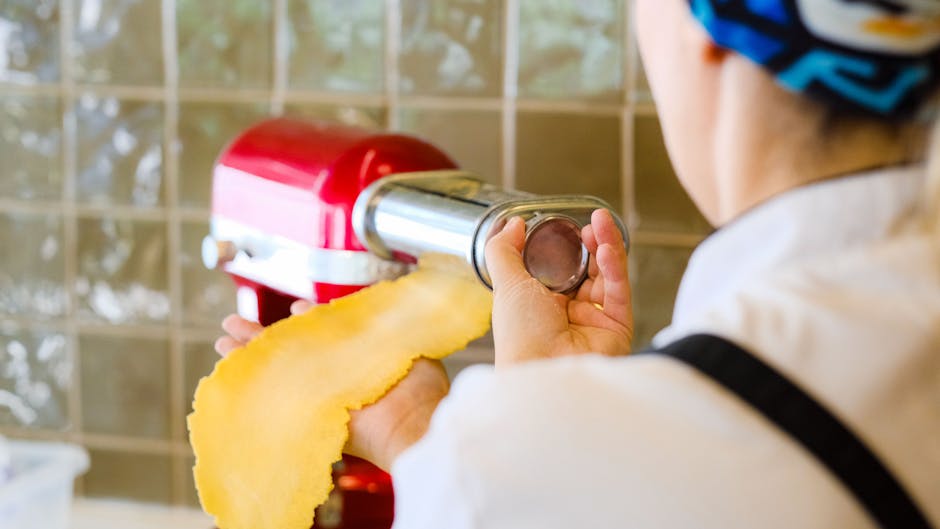
Once you have your ingredients, it’s time to start making the pasta dough. This involves combining the flour, eggs, and water in a mixing bowl and kneading the mixture until it forms a smooth, elastic dough. You can do this by hand or using a stand mixer with a dough hook attachment. Here are some tips to keep in mind:
Tips for Kneading the Dough
Kneading the dough is an important step in making pasta, as it helps to develop the gluten in the flour and gives the pasta its signature texture. Here are some tips to keep in mind:
- Knead the dough for at least 10 minutes
- Use a light touch, as over-kneading can lead to tough pasta
- Let the dough rest for at least 30 minutes before rolling it out
Rolling Out the Pasta
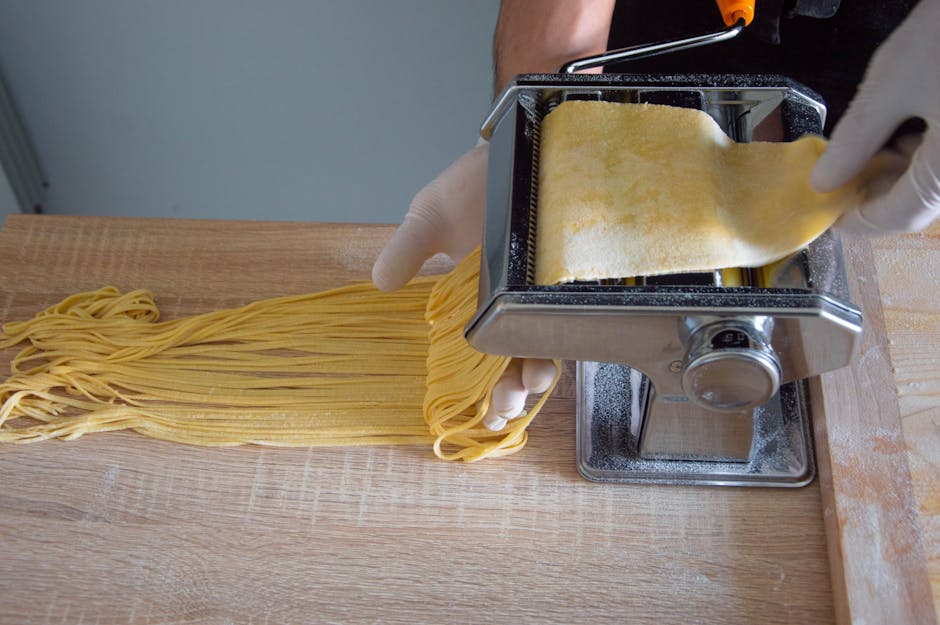
Once the dough has rested, it’s time to roll it out into the desired shape. This can be done using a pasta machine or a rolling pin, depending on the type of pasta you’re making. Here are some tips to keep in mind:
Tips for Rolling Out the Pasta
Rolling out the pasta is a crucial step in making the perfect dish. Here are some tips to keep in mind:
- Use a light touch, as over-rolling can lead to thin or fragile pasta
- Roll the pasta out to the desired thickness, depending on the type of pasta you’re making
- Let the pasta dry for at least 30 minutes before cooking it
Cooking the Pasta
Cooking the pasta is the final step in the process of how to make pasta. This involves boiling the pasta in salted water until it’s al dente, then draining it and serving it with your favorite sauce. Here are some tips to keep in mind:
For more information on cooking pasta, visit epicurious or foodnetwork.
In conclusion, learning how to make pasta is a fun and rewarding experience that can open up a world of culinary possibilities. With the right ingredients, a few simple tools, and some practice, you can become a pasta-making expert in no time.
FAQs
What type of flour is best for making pasta?
The type of flour you use will depend on the type of pasta you're making, with '00' flour being a popular choice for many types of pasta.
How long do I need to knead the dough?
Knead the dough for at least 10 minutes, using a light touch to avoid over-kneading.
What is the best way to cook pasta?
Cook the pasta in boiling, salted water until it's al dente, then drain it and serve it with your favorite sauce.
Can I make pasta without a pasta machine?
Yes, you can make pasta without a pasta machine by using a rolling pin to roll out the dough.
How do I store homemade pasta?
Store homemade pasta in an airtight container in the refrigerator for up to 3 days or freeze it for up to 6 months.