Safarkolkata

Your Trusted Travel Partner

logo

Contact Info

Chicago 12, Melborne City, USA

+88 01682648101

info@example.com

Make Perfect Pasta

Learning how to make pasta is an essential skill for any home cook. With a few simple ingredients and some basic kitchen tools, you can create a variety of delicious pasta dishes. In this article, we will guide you through the process of making pasta from scratch, including tips and tricks for achieving the perfect texture and flavor.

Choosing the Right Ingredients

Homemade Pasta Recipe - Image 2

When it comes to making pasta, the quality of your ingredients is crucial. You will need flour, eggs, and salt to make a basic pasta dough. For a more flavorful pasta, you can also add herbs and spices to the dough.

Types of Flour

There are several types of flour you can use to make pasta, including all-purpose flour, bread flour, and semolina flour. Each type of flour will produce a slightly different texture and flavor in your pasta.

Preparing the Pasta Dough

To prepare the pasta dough, you will need to combine the flour, eggs, and salt in a large mixing bowl. Mix the ingredients together until a dough forms, then knead the dough for several minutes until it becomes smooth and elastic.

  • Mixing the dough: Combine the flour, eggs, and salt in a large mixing bowl.
  • Kneading the dough: Knead the dough for several minutes until it becomes smooth and elastic.

Cooking the Pasta

Once you have prepared the pasta dough, you can cook it in a large pot of boiling water. Be sure to salt the water before adding the pasta, as this will help to season the pasta and improve its texture.

For more information on cooking pasta, you can visit epicurious or foodnetwork.

Tips and Variations

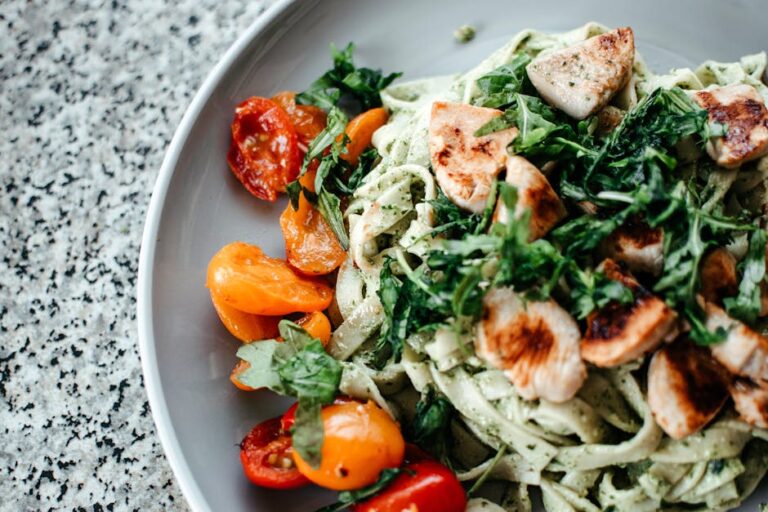
There are many ways to vary your pasta dish, including adding different sauces and toppings. Some popular pasta sauces include marinara, alfredo, and pesto.

Conclusion

Learning how to make pasta is a simple process that requires just a few ingredients and some basic kitchen tools. With practice and patience, you can create a variety of delicious pasta dishes that are sure to impress your friends and family.

FAQs

What type of flour is best for making pasta?

All-purpose flour, bread flour, and semolina flour are all good options for making pasta.

How long does it take to cook pasta?

The cooking time for pasta will depend on the type of pasta and the desired level of doneness.

Can I add flavorings to my pasta dough?

Yes, you can add herbs, spices, and other flavorings to your pasta dough to give it extra flavor.

How do I store leftover pasta?

Leftover pasta can be stored in an airtight container in the refrigerator for up to three days.

Related Reading

Make Perfect Pasta: Easy Guide

Learning how to make pasta can be a fun and rewarding experience, allowing you to create a variety of delicious dishes from scratch. With a few simple ingredients and some basic kitchen tools, you can become a pasta-making expert in no time. In this article, we’ll take you through the process of making pasta, including the different types of pasta, the ingredients you’ll need, and some helpful tips and tricks.

Understanding the Basics of Pasta

Homemade Pasta Making Process - Image 2

Pasta is a staple in many cuisines around the world, and it’s easy to see why. With its versatility and ease of preparation, pasta can be used in a wide range of dishes, from simple spaghetti with tomato sauce to more complex and sophisticated recipes. Before we dive into the process of how to make pasta, let’s take a look at the different types of pasta and the ingredients you’ll need.

Choosing the Right Ingredients

To make pasta, you’ll need a few basic ingredients, including flour, eggs, and water. The type of flour you use will depend on the type of pasta you’re making, with ’00’ flour being a popular choice for many types of pasta. You’ll also need a pinch of salt and a tablespoon of olive oil to help bring the dough together. Here are some key ingredients to keep in mind:

  • Flour: ’00’ flour or all-purpose flour
  • Eggs: 1-2 eggs, depending on the type of pasta
  • Water: 1-2 tablespoons, depending on the humidity
  • Salt: a pinch
  • Olive oil: 1 tablespoon

Making the Pasta Dough

Once you have your ingredients, it’s time to start making the pasta dough. This involves combining the flour, eggs, and water in a mixing bowl and kneading the mixture until it forms a smooth, elastic dough. You can do this by hand or using a stand mixer with a dough hook attachment. Here are some tips to keep in mind:

Tips for Kneading the Dough

Kneading the dough is an important step in making pasta, as it helps to develop the gluten in the flour and gives the pasta its signature texture. Here are some tips to keep in mind:

  • Knead the dough for at least 10 minutes
  • Use a light touch, as over-kneading can lead to tough pasta
  • Let the dough rest for at least 30 minutes before rolling it out

Rolling Out the Pasta

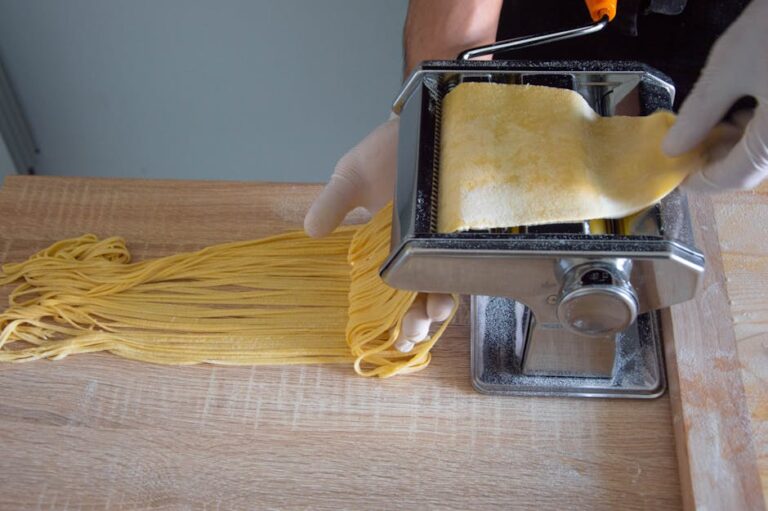
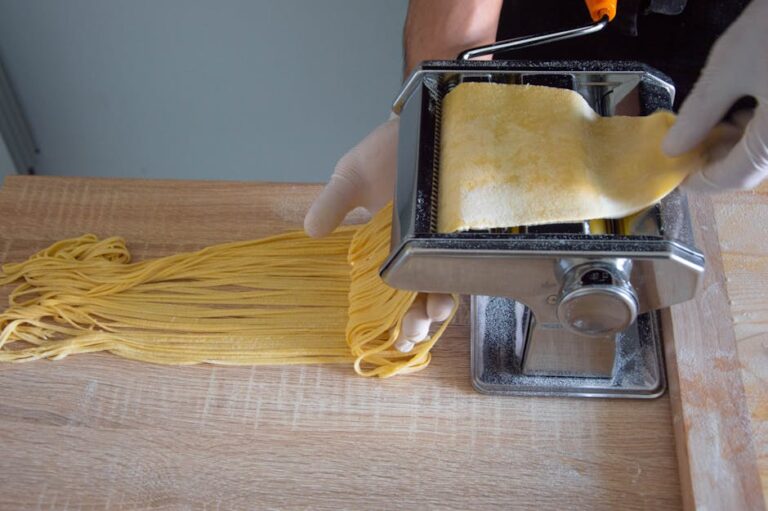
Once the dough has rested, it’s time to roll it out into the desired shape. This can be done using a pasta machine or a rolling pin, depending on the type of pasta you’re making. Here are some tips to keep in mind:

Tips for Rolling Out the Pasta

Rolling out the pasta is a crucial step in making the perfect dish. Here are some tips to keep in mind:

  • Use a light touch, as over-rolling can lead to thin or fragile pasta
  • Roll the pasta out to the desired thickness, depending on the type of pasta you’re making
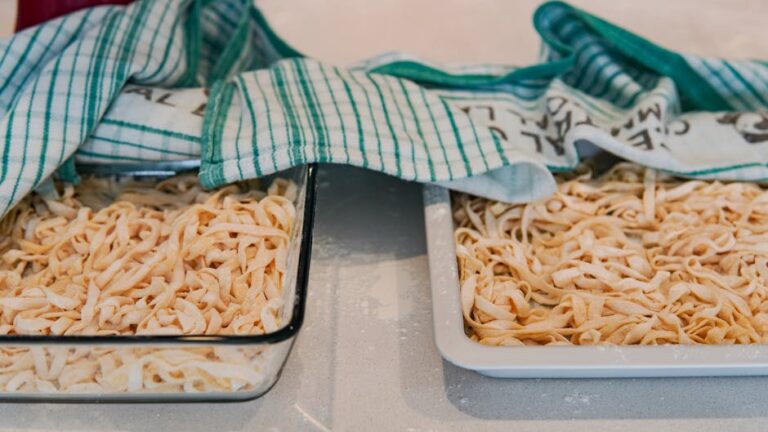
  • Let the pasta dry for at least 30 minutes before cooking it

Cooking the Pasta

Cooking the pasta is the final step in the process of how to make pasta. This involves boiling the pasta in salted water until it’s al dente, then draining it and serving it with your favorite sauce. Here are some tips to keep in mind:

For more information on cooking pasta, visit epicurious or foodnetwork.

In conclusion, learning how to make pasta is a fun and rewarding experience that can open up a world of culinary possibilities. With the right ingredients, a few simple tools, and some practice, you can become a pasta-making expert in no time.

FAQs

What type of flour is best for making pasta?

The type of flour you use will depend on the type of pasta you're making, with '00' flour being a popular choice for many types of pasta.

How long do I need to knead the dough?

Knead the dough for at least 10 minutes, using a light touch to avoid over-kneading.

What is the best way to cook pasta?

Cook the pasta in boiling, salted water until it's al dente, then drain it and serve it with your favorite sauce.

Can I make pasta without a pasta machine?

Yes, you can make pasta without a pasta machine by using a rolling pin to roll out the dough.

How do I store homemade pasta?

Store homemade pasta in an airtight container in the refrigerator for up to 3 days or freeze it for up to 6 months.

Related Reading

Make Perfect Pasta: How to Make Pasta

Learning how to make pasta is a fundamental skill for any home cook. With a few simple ingredients and some basic techniques, you can create a wide range of delicious Italian dishes. In this article, we’ll take you through the steps to make perfect pasta, from choosing the right ingredients to cooking and serving.

Choosing the Right Ingredients

How To Make Pasta At Home - Image 2

To make great pasta, you need to start with high-quality ingredients. This includes pasta itself, as well as any sauces or seasonings you plan to use. Look for pasta made from durum wheat semolina, and choose sauces that are made with fresh, flavorful ingredients.

Cooking Pasta

Cooking pasta is a straightforward process, but it does require some attention to detail. Here are the basic steps to follow when cooking pasta:

  • Bring a large pot of salted water to a boil
  • Add the pasta and stir gently to prevent tangling
  • Cook the pasta until it is al dente, then drain and serve

Making Pasta Sauces

A great pasta sauce can elevate a dish from ordinary to extraordinary. Here are a few tips for making delicious pasta sauces:

  • Use fresh, high-quality ingredients
  • Don’t overcook the sauce – it should be flavorful but still bright and fresh
  • Experiment with different combinations of ingredients to find the flavors you like best

Popular Pasta Recipes

There are countless ways to prepare pasta, from classic spaghetti Bolognese to more adventurous dishes like pasta with truffles or seafood. Some popular pasta recipes to try include:

  • Spaghetti carbonara
  • Fettuccine Alfredo
  • Penne with tomato sauce

Tips and Variations

Once you’ve mastered the basics of how to make pasta, you can start experimenting with different variations and techniques. Some ideas to try include:

  • Adding vegetables or protein to your pasta dishes
  • Using different types of pasta, such as gluten-free or whole wheat
  • Trying out new sauces and seasonings, such as pesto or chimichurri

For more information on cooking and recipes, visit epicurious or foodnetwork.

FAQs

What type of pasta is best for beginners?

Spaghetti or penne are good choices for beginners, as they are easy to cook and pair well with a variety of sauces.

How long does it take to cook pasta?

The cooking time for pasta will depend on the type and shape of the pasta, as well as personal preference for doneness. Generally, pasta takes 8-12 minutes to cook.

Can I make pasta ahead of time?

Yes, you can make pasta ahead of time, but it's best to cook it just before serving for the best flavor and texture.

What are some common mistakes to avoid when making pasta?

Common mistakes to avoid when making pasta include overcooking the pasta, using low-quality ingredients, and not seasoning the pasta enough.

Related Reading

Mastering Pasta: Learn How to Make Pasta

Learning how to make pasta can be a fun and rewarding experience, allowing you to create a wide variety of delicious dishes. With a few simple ingredients and some basic kitchen equipment, you can start making your own pasta at home. In this article, we’ll take you through the process of making pasta, from scratch, and provide you with some helpful tips and recipes to get you started.

Understanding the Basics of Pasta Making

Homemade Pasta Making - Image 2

Before you start making pasta, it’s essential to understand the basics. You’ll need to know about the different types of flour, eggs, and other ingredients that go into making pasta. You’ll also need to learn about the various techniques involved in shaping and cooking pasta.

Choosing the Right Ingredients

The quality of your ingredients will have a significant impact on the taste and texture of your pasta. Here are some things to consider when choosing your ingredients:

  • Use a high-quality ’00’ flour, which is finely milled and has a low protein content.
  • Choose fresh eggs, as they will have a better flavor and texture than older eggs.
  • Use a pinch of salt to help bring out the flavor of the pasta.

Shaping and Cooking Pasta

Once you’ve made your pasta dough, it’s time to shape and cook it. Here are some tips to help you achieve the perfect shape and texture:

To learn more about shaping and cooking pasta, visit epicurious or allrecipes for some expert advice and recipes.

Common Pasta Shapes

There are many different shapes of pasta, each with its own unique characteristics and uses. Some common shapes include:

  • Spaghetti: a long, thin shape that’s perfect for dishes like carbonara and Bolognese.
  • Fettuccine: a flat, wide shape that’s great for creamy sauces like Alfredo.
  • Penne: a tube-shaped pasta that’s perfect for chunky sauces and pesto.

Tips and Variations for Making Pasta

Now that you’ve learned the basics of making pasta, it’s time to start experimenting with different ingredients and techniques. Here are some tips and variations to try:

  • Try using different types of flour, such as whole wheat or semolina, to create a unique flavor and texture.
  • Experiment with different shapes and sizes of pasta to find your favorite.
  • Add some flavor to your pasta by mixing in herbs, spices, or other ingredients.

Conclusion

Learning how to make pasta is a fun and rewarding experience that can open up a world of culinary possibilities. With practice and patience, you can create delicious, homemade pasta dishes that will impress your friends and family. Remember to always use high-quality ingredients and to experiment with different techniques and recipes to find your favorite.

FAQs

What type of flour is best for making pasta?

A high-quality '00' flour is best for making pasta, as it is finely milled and has a low protein content.

How do I shape my pasta?

You can shape your pasta using a variety of tools, including a pasta machine, a sharp knife, or a pastry cutter.

What is the best way to cook pasta?

The best way to cook pasta is to boil it in salted water until it is al dente, then drain and serve with your favorite sauce.

Can I make pasta without a pasta machine?

Yes, you can make pasta without a pasta machine by using a sharp knife or a pastry cutter to shape your dough.

Related Reading

Make Perfect Pasta: Easy Guide

Discover the art of how to make pasta with our comprehensive guide. Making pasta from scratch can be a fun and rewarding experience, allowing you to create a wide range of delicious dishes. In this article, we’ll take you through the steps to make perfect pasta, from choosing the right ingredients to cooking it to perfection.

Choosing the Right Ingredients

Homemade Pasta Dish - Image 2

To make great pasta, you need to start with the right ingredients. This includes ’00’ flour, eggs, salt, and water. The quality of your ingredients will directly impact the taste and texture of your pasta.

Understanding ’00’ Flour

’00’ flour, also known as caputo or all-purpose flour, is the best type of flour to use for making pasta. It has a low protein content, which helps to create a smooth and tender pasta.

Step-by-Step Guide to Making Pasta

Now that we have our ingredients, let’s move on to the process of making pasta. Here’s a step-by-step guide to get you started:

  • In a large mixing bowl, combine 1 cup of ’00’ flour and 1 egg.
  • Mix the ingredients together until a dough forms.
  • Knead the dough for 10 minutes until it becomes smooth and elastic.
  • Wrap the dough in plastic wrap and let it rest for 30 minutes.
  • Divide the dough into 4 equal pieces and roll out each piece into a thin sheet.
  • Cut the pasta into your desired shape, such as spaghetti or fettuccine.

Cooking Your Pasta

Now that we have our pasta, it’s time to cook it. How to make pasta is not just about making the pasta itself, but also about cooking it to perfection. Here are some tips to help you cook your pasta:

Cook your pasta in a large pot of boiling, salted water. The general rule of thumb is to use 4 cups of water for every 1 cup of pasta.

Avoid Overcooking

One of the most common mistakes people make when cooking pasta is overcooking it. This can make the pasta mushy and unappetizing. To avoid overcooking, cook your pasta until it’s al dente, which means it should still have a bit of bite to it.

Tips and Variations

Now that you know the basics of how to make pasta, let’s look at some tips and variations to take your pasta to the next level. For more information, you can visit epicurious or foodnetwork.

Conclusion

Making pasta from scratch can be a fun and rewarding experience. With these tips and tricks, you’ll be well on your way to creating delicious pasta dishes that will impress your friends and family. Remember to practice makes perfect, so don’t be discouraged if your first batch of pasta doesn’t turn out as expected.

FAQs

What type of flour is best for making pasta?

'00' flour, also known as caputo or all-purpose flour, is the best type of flour to use for making pasta.

How long should I cook my pasta?

Cook your pasta until it's al dente, which means it should still have a bit of bite to it.

Can I add flavorings to my pasta dough?

Yes, you can add flavorings such as herbs, spices, or vegetables to your pasta dough to create unique and delicious flavors.

How do I store my homemade pasta?

You can store your homemade pasta in an airtight container in the fridge for up to 3 days or freeze it for up to 6 months.

Related Reading

Make Perfect Pasta: Tips & Tricks

Learning how to make pasta can seem intimidating, but with the right ingredients and techniques, you can create delicious homemade pasta dishes. To start, you’ll need to choose the right type of flour, eggs, and other ingredients. The quality of your ingredients will greatly impact the taste and texture of your pasta.

Choosing the Right Ingredients

Homemade Pasta Making Process - Image 2

When it comes to making pasta, the right ingredients are crucial. You’ll need ’00’ flour, eggs, salt, and water. The ’00’ flour is a type of flour that is finely milled, making it perfect for pasta. You can also add other ingredients such as olive oil, herbs, and spices to give your pasta more flavor.

Cooking Techniques

Cooking pasta is an art that requires patience and practice. To cook pasta, you’ll need to bring a large pot of salted water to a boil. Then, you’ll need to add your pasta and cook it until it’s al dente. The cooking time will vary depending on the type of pasta you’re using. Here are some general guidelines:

  • Spaghetti: 8-10 minutes
  • Fettuccine: 8-10 minutes
  • Pappardelle: 10-12 minutes

Tips for Making the Perfect Pasta

When learning how to make pasta, it’s essential to keep in mind a few tips and tricks. First, make sure to use a large enough pot to cook your pasta. This will help prevent the pasta from sticking together. You should also stir your pasta occasionally to prevent it from sticking to the bottom of the pot. For more information on cooking pasta, you can visit epicurious or foodnetwork.

Common Mistakes to Avoid

When making pasta, there are a few common mistakes to avoid. One of the most common mistakes is overcooking the pasta. This can make the pasta mushy and unappetizing. You should also avoid adding too much sauce to your pasta. This can make the pasta heavy and overwhelming.

Conclusion

Learning how to make pasta is a skill that takes time and practice to develop. With the right ingredients and techniques, you can create delicious homemade pasta dishes. Remember to choose the right ingredients, cook your pasta al dente, and avoid common mistakes. With these tips and tricks, you’ll be well on your way to becoming a pasta-making expert.

FAQs

What type of flour is best for making pasta?

The best type of flour for making pasta is '00' flour, which is a finely milled flour that produces a smooth and tender pasta.

How long does it take to cook pasta?

The cooking time for pasta will vary depending on the type of pasta you're using, but it's typically between 8-12 minutes.

What is the best way to store homemade pasta?

The best way to store homemade pasta is to dry it thoroughly and store it in an airtight container in the refrigerator or freezer.

Can I add flavorings to my pasta dough?

Yes, you can add flavorings such as herbs, spices, and olive oil to your pasta dough to give it more flavor.

Related Reading