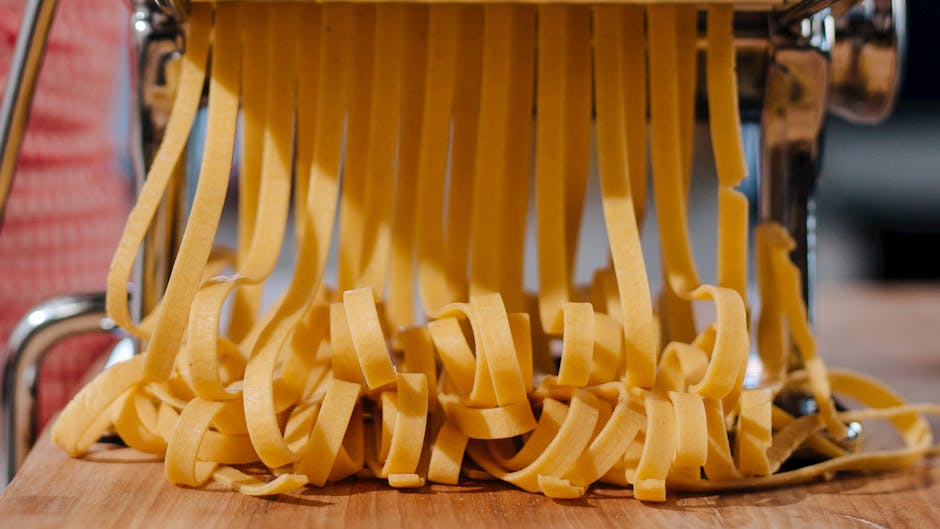
Learning how to make pasta can be a fun and rewarding experience, allowing you to create a wide variety of delicious dishes. With a few simple ingredients and some basic kitchen equipment, you can start making your own pasta at home. In this article, we’ll take you through the process of making pasta, from scratch, and provide you with some helpful tips and recipes to get you started.
Understanding the Basics of Pasta Making
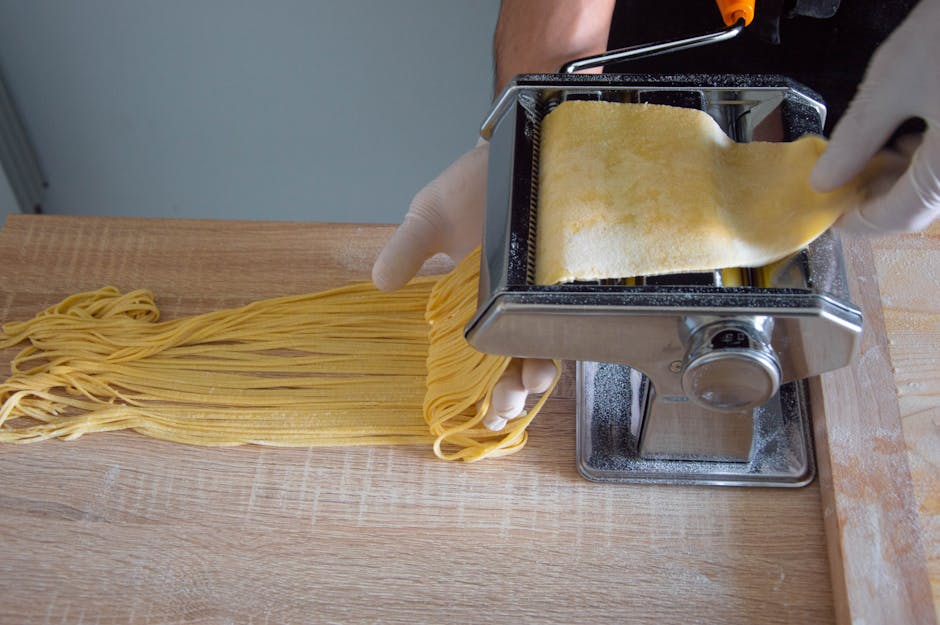
Before you start making pasta, it’s essential to understand the basics. You’ll need to know about the different types of flour, eggs, and other ingredients that go into making pasta. You’ll also need to learn about the various techniques involved in shaping and cooking pasta.
Choosing the Right Ingredients
The quality of your ingredients will have a significant impact on the taste and texture of your pasta. Here are some things to consider when choosing your ingredients:
- Use a high-quality ’00’ flour, which is finely milled and has a low protein content.
- Choose fresh eggs, as they will have a better flavor and texture than older eggs.
- Use a pinch of salt to help bring out the flavor of the pasta.
Shaping and Cooking Pasta
Once you’ve made your pasta dough, it’s time to shape and cook it. Here are some tips to help you achieve the perfect shape and texture:
To learn more about shaping and cooking pasta, visit epicurious or allrecipes for some expert advice and recipes.
Common Pasta Shapes
There are many different shapes of pasta, each with its own unique characteristics and uses. Some common shapes include:
- Spaghetti: a long, thin shape that’s perfect for dishes like carbonara and Bolognese.
- Fettuccine: a flat, wide shape that’s great for creamy sauces like Alfredo.
- Penne: a tube-shaped pasta that’s perfect for chunky sauces and pesto.
Tips and Variations for Making Pasta
Now that you’ve learned the basics of making pasta, it’s time to start experimenting with different ingredients and techniques. Here are some tips and variations to try:
- Try using different types of flour, such as whole wheat or semolina, to create a unique flavor and texture.
- Experiment with different shapes and sizes of pasta to find your favorite.
- Add some flavor to your pasta by mixing in herbs, spices, or other ingredients.
Conclusion
Learning how to make pasta is a fun and rewarding experience that can open up a world of culinary possibilities. With practice and patience, you can create delicious, homemade pasta dishes that will impress your friends and family. Remember to always use high-quality ingredients and to experiment with different techniques and recipes to find your favorite.
FAQs
What type of flour is best for making pasta?
A high-quality '00' flour is best for making pasta, as it is finely milled and has a low protein content.
How do I shape my pasta?
You can shape your pasta using a variety of tools, including a pasta machine, a sharp knife, or a pastry cutter.
What is the best way to cook pasta?
The best way to cook pasta is to boil it in salted water until it is al dente, then drain and serve with your favorite sauce.
Can I make pasta without a pasta machine?
Yes, you can make pasta without a pasta machine by using a sharp knife or a pastry cutter to shape your dough.