
Learning how to make pasta is an essential skill for any home cook, as it allows you to create a wide variety of delicious dishes with ease. With a few simple ingredients and some basic equipment, you can make your own pasta from scratch, tailoring the flavors and textures to your liking. In this article, we’ll take you through the process of making pasta, from mixing and kneading the dough to shaping and cooking your noodles.
Understanding the Basics of Pasta Making
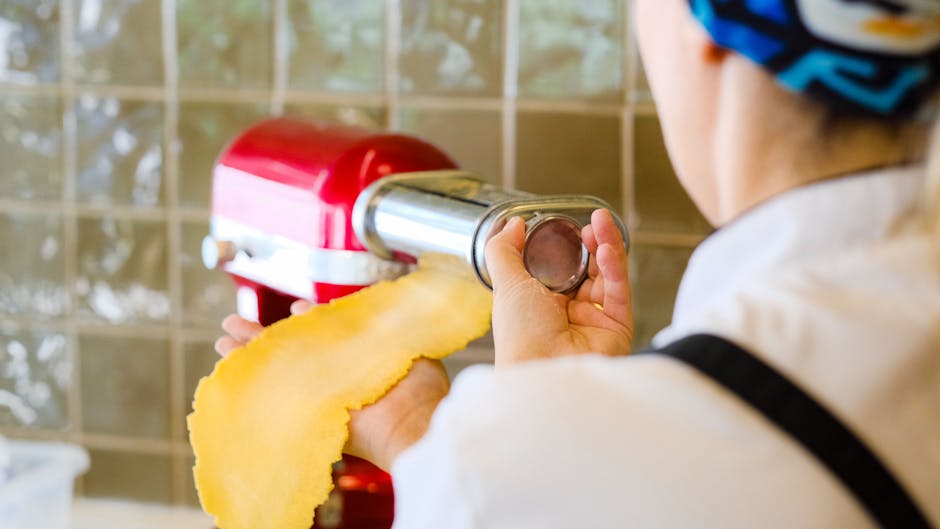
Before you start making pasta, it’s essential to understand the basics of the process. This includes learning about the different types of flour you can use, the importance of eggs in the dough, and the various techniques for kneading and shaping your pasta. With practice, you’ll develop the skills and confidence to create a wide range of pasta dishes, from classic spaghetti and fettuccine to more complex shapes like tortellini and ravioli.
Choosing the Right Ingredients
The quality of your ingredients is crucial when learning how to make pasta. You’ll need to select a good quality flour, such as ’00’ flour or all-purpose flour, and use fresh eggs to create a rich, creamy dough. You may also want to add flavorings like salt, olive oil, or herbs to give your pasta an extra boost of flavor. Some other ingredients you might consider include:
- Flavorful oils, such as truffle or garlic oil
- Aromatic herbs, like basil or rosemary
- Grated cheese, like Parmesan or Pecorino
Mastering the Art of Kneading
Kneading is a critical step in the pasta-making process, as it helps to develop the gluten in the dough and create a smooth, elastic texture. To knead your dough, you’ll need to use a combination of pushing, folding, and turning motions, applying gentle pressure to help the dough come together. With practice, you’ll develop the skills and technique needed to create a beautifully kneaded dough, perfect for shaping into a wide range of pasta shapes.
Shaping and Cooking Your Pasta
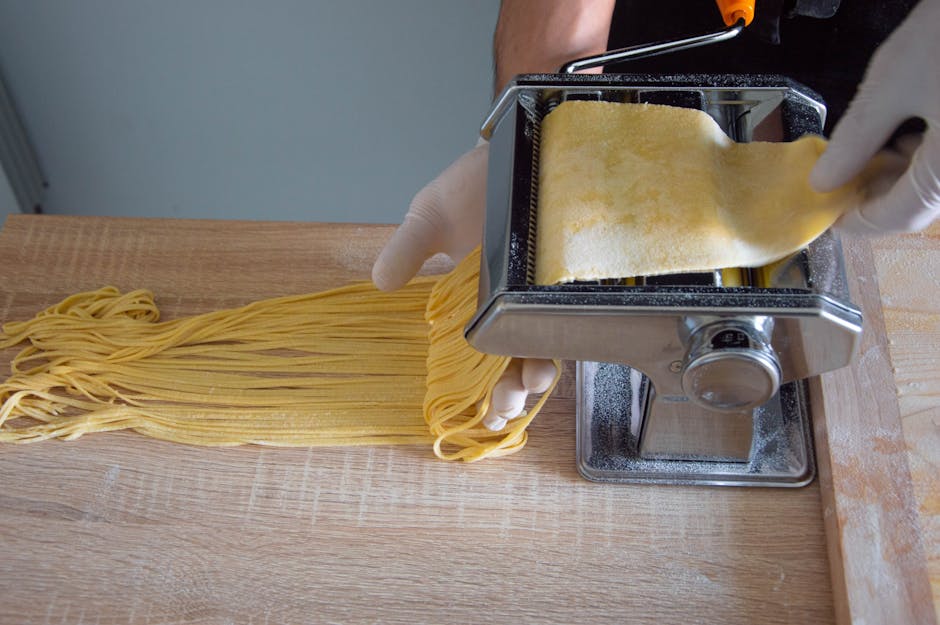
Once you’ve kneaded your dough, it’s time to shape it into the desired form. This can be as simple as rolling out the dough to create a thin sheet, or as complex as shaping intricate forms like tortellini or ravioli. When cooking your pasta, be sure to use a large pot of boiling, salted water, and cook your noodles until they’re al dente, or slightly firm to the bite. For more information on cooking pasta, visit epicurious or foodnetwork.
Tips and Variations for Making Pasta
As you become more confident in your pasta-making skills, you may want to experiment with different flavors and techniques. Some ideas to try include:
- Adding flavorings like spinach, beetroot, or squid ink to create colorful, unique pasta shapes
- Using alternative flours, like whole wheat or gluten-free flour, to create healthier or more specialized pasta options
- Creating stuffed pasta shapes, like ravioli or tortellini, filled with delicious ingredients like cheese, meat, or vegetables
In conclusion, learning how to make pasta is a rewarding and delicious experience that can open up a world of culinary possibilities. With practice and patience, you’ll develop the skills and confidence to create a wide range of pasta dishes, from simple spaghetti to complex, filled shapes.
FAQs
What type of flour is best for making pasta?
A good quality '00' flour or all-purpose flour is ideal for making pasta.
How long does it take to knead pasta dough?
Kneading pasta dough typically takes around 10-15 minutes, depending on the size of the batch and the technique used.
Can I make pasta without a pasta machine?
Yes, you can make pasta without a pasta machine by using a rolling pin to roll out the dough and a sharp knife or pastry cutter to shape the noodles.
How do I store homemade pasta?
Homemade pasta can be stored in an airtight container in the fridge for up to 3 days or frozen for up to 6 months.
What are some common mistakes to avoid when making pasta?
Common mistakes to avoid when making pasta include overworking the dough, using too much flour, and not cooking the pasta long enough.