Safarkolkata

Your Trusted Travel Partner

logo

Contact Info

Chicago 12, Melborne City, USA

+88 01682648101

info@example.com

Mastering Pasta: Learn How to Make Pasta

Learning how to make pasta can be an exciting culinary adventure. With the right ingredients and techniques, you can create delicious homemade pasta dishes that impress your family and friends. To get started, you’ll need a few basic ingredients, including flour, eggs, and salt. In this article, we’ll explore the world of pasta making and provide you with a step-by-step guide on how to make pasta from scratch.

Understanding Pasta Ingredients

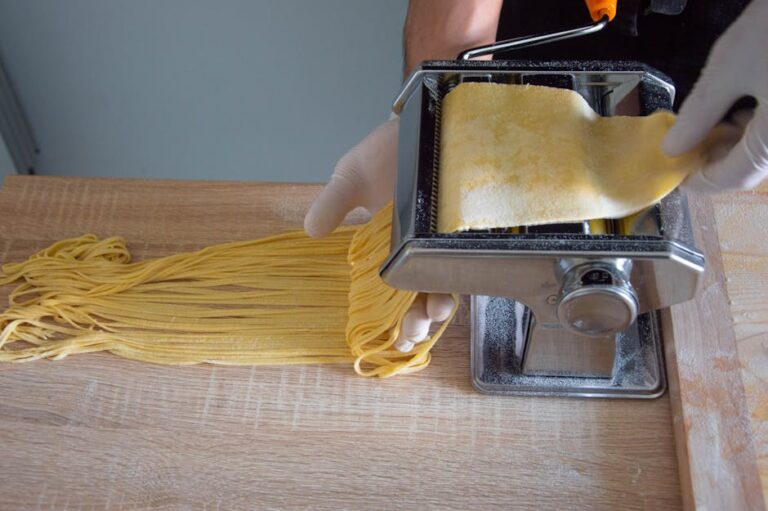
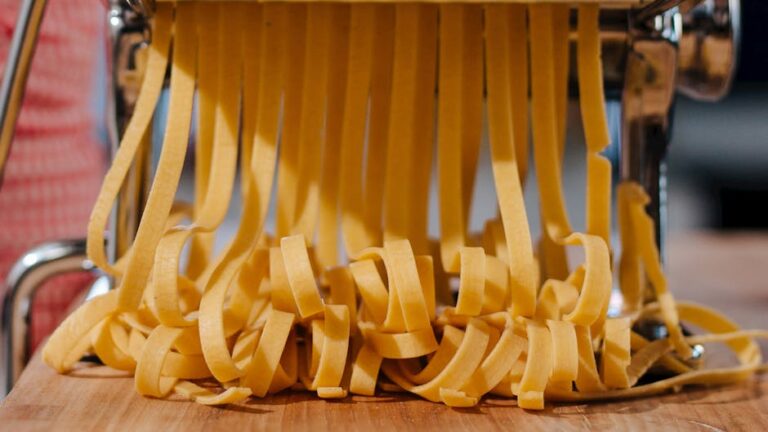
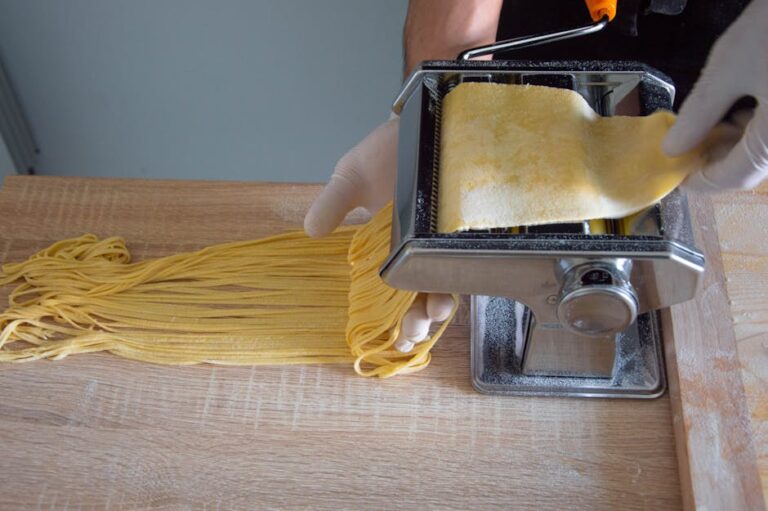
Homemade Pasta Making Process - Image 2

The quality of your pasta depends on the ingredients you use. Here are some key ingredients to keep in mind:

  • Flour: You can use all-purpose flour or specialty flours like semolina or caputo.
  • Eggs: Fresh eggs are essential for creating a rich and tender pasta dough.
  • Salt: Add a pinch of salt to enhance the flavor of your pasta.

Preparing the Pasta Dough

To create the perfect pasta dough, you’ll need to combine your ingredients and knead the mixture until it becomes smooth and elastic. Here’s a simple recipe to get you started:

Combine 1 cup of flour, 1 egg, and a pinch of salt in a mixing bowl. Mix the ingredients together until a dough forms, then knead the dough for 5-10 minutes until it becomes smooth and elastic.

Cooking Your Pasta

Cooking your pasta is a crucial step in the how to make pasta process. Here are some tips to keep in mind:

Cook your pasta in a large pot of boiling, salted water. Stir the pasta occasionally to prevent it from sticking together. Cook the pasta until it’s al dente, then drain it in a colander and serve with your favorite sauce.

Shaping Your Pasta

Shaping your pasta is a fun and creative process. You can use a pasta machine or a sharp knife to shape your pasta into various forms, such as spaghetti, fettuccine, or pappardelle.

Tips and Variations

Here are some tips and variations to keep in mind when learning how to make pasta:

Experiment with different ingredients, such as herbs, spices, and vegetables, to create unique and delicious pasta flavors. Try using a pasta machine to shape your pasta into uniform strands. Practice makes perfect, so don’t be discouraged if your first batch of homemade pasta doesn’t turn out perfectly.

Common Mistakes to Avoid

Here are some common mistakes to avoid when making pasta:

  • Overworking the dough, which can lead to tough and chewy pasta.
  • Undercooking or overcooking the pasta, which can affect its texture and flavor.
  • Not using enough salt in the cooking water, which can result in bland and unappetizing pasta.

For more information on how to make pasta, visit epicurious or foodnetwork for recipes and cooking tips.

FAQs

What type of flour is best for making pasta?

All-purpose flour or specialty flours like semolina or caputo are good options.

How long does it take to cook pasta?

The cooking time for pasta varies depending on the type and shape, but it's usually between 2-10 minutes.

Can I add flavorings to my pasta dough?

Yes, you can add flavorings like herbs, spices, and vegetables to create unique and delicious pasta flavors.

Do I need a pasta machine to make pasta?

No, you don't need a pasta machine to make pasta, but it can be helpful for shaping uniform strands.

Related Reading

Mastering Pasta: How to Make Pasta

Learning how to make pasta is a culinary journey that combines tradition, technique, and creativity. Whether you’re a beginner in the kitchen or an experienced chef, mastering the art of pasta making can elevate your cooking skills and provide endless meal options. In this article, we’ll delve into the world of pasta, exploring its history, the basic steps of making pasta, and how to pair it with the perfect sauce.

Understanding Pasta Basics

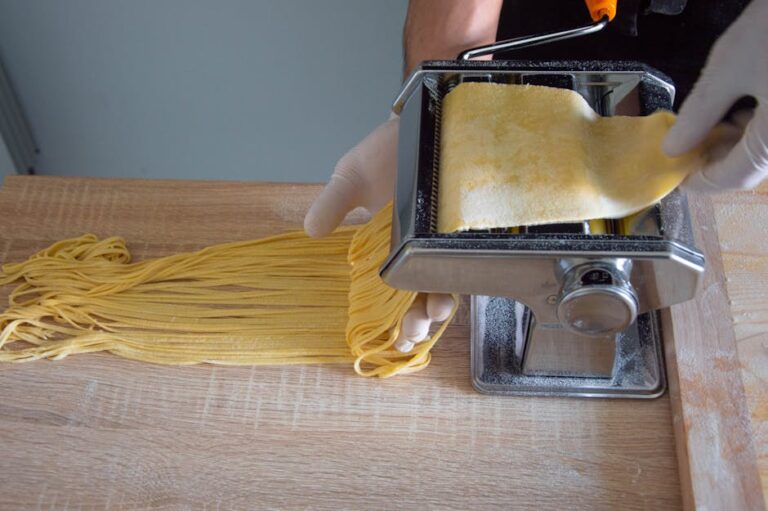
Homemade Pasta Making Process - Image 2

Pasta is a staple in many cuisines around the world, particularly in Italian cooking. It comes in various shapes and sizes, each designed to hold onto different types of sauces. From spaghetti and linguine for light, oily sauces to pappardelle and rigatoni for hearty, chunky sauces, the variety of pasta shapes is as diverse as the sauces they’re paired with.

Choosing the Right Ingredients

The foundation of making great pasta is in the ingredients. For homemade pasta, you’ll need 00 flour, eggs, and sometimes olive oil or water. The quality of these ingredients can significantly impact the taste and texture of your pasta. When buying flour, look for Caputo or similar high-quality flour brands. For store-bought pasta, consider brands known for their quality like Barilla.

Essential Tools for Pasta Making

Making pasta at home requires a few essential tools: a pasta machine for rolling out the dough, a sharp knife or pasta cutter for cutting the pasta into the desired shape, and a large pot for boiling the pasta.

Basic Steps to Make Pasta

The process of how to make pasta involves several key steps: mixing the dough, kneading, resting, rolling, cutting, and cooking. Here’s a brief overview:

  • Mix the flour and eggs together until a dough forms.
  • Knead the dough for about 10 minutes until it becomes smooth and elastic.
  • Let the dough rest for at least 30 minutes.
  • Roll out the dough using a pasta machine to your desired thickness.
  • Cut the pasta into the desired shape.
  • Cook the pasta in boiling, salted water until al dente.

Picking the Perfect Sauce

The sauce can make or break a pasta dish. Here are a few popular sauce options and the pasta shapes they pair well with:

  • Tomato Sauce: Pairs well with spaghetti, penne, and rigatoni.
  • Pesto: Goes well with linguine, fettuccine, and farfalle.
  • Carbonara: Traditionally paired with spaghetti.

Conclusion on Making Pasta

Mastering how to make pasta is a skill that opens up a world of culinary possibilities. Whether you’re making it from scratch or using store-bought pasta, the key to a great pasta dish is in the quality of the ingredients and the care with which it’s prepared. For more recipes and cooking tips, visit epicurious or foodnetwork.

FAQs

What is the best flour for making pasta?

00 flour, such as Caputo, is highly recommended for making pasta due to its fine texture and low gluten content.

How long does it take to cook pasta?

The cooking time for pasta varies depending on the shape and size, but generally, it takes between 8 to 12 minutes to cook al dente.

Can I make pasta without a pasta machine?

Yes, while a pasta machine makes it easier to roll out the dough evenly, you can also use a rolling pin to achieve a similar result with a bit more effort.

What is the difference between al dente and overcooked pasta?

Al dente pasta has a slightly firm bite, while overcooked pasta is soft and mushy. Al dente is generally preferred as it holds onto sauces better and has a more pleasing texture.

How do I store homemade pasta?

Homemade pasta can be stored in an airtight container in the refrigerator for up to 2 days or frozen for up to 6 months.

Related Reading

Mastering Pasta: Learn How to Make Pasta

Learning how to make pasta is an essential skill for any home cook, as it allows you to create a wide variety of delicious dishes with ease. With a few simple ingredients and some basic equipment, you can make your own pasta from scratch, tailoring the flavors and textures to your liking. In this article, we’ll take you through the process of making pasta, from mixing and kneading the dough to shaping and cooking your noodles.

Understanding the Basics of Pasta Making

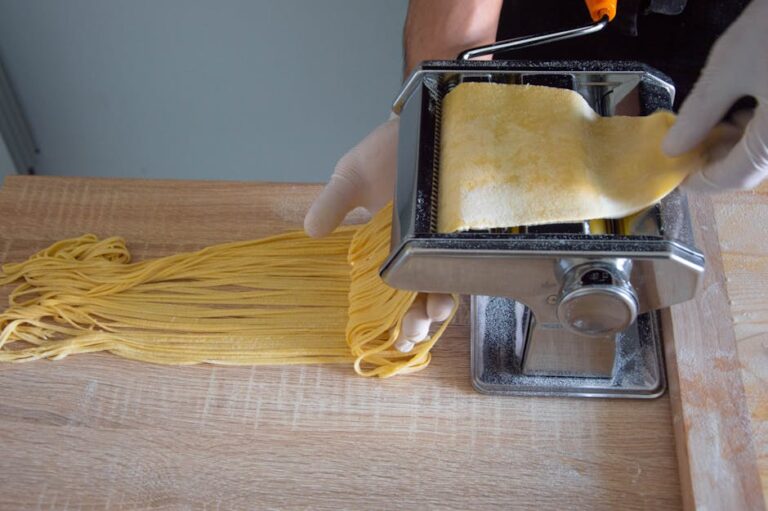
Homemade Pasta Making Process - Image 2

Before you start making pasta, it’s essential to understand the basics of the process. This includes learning about the different types of flour you can use, the importance of eggs in the dough, and the various techniques for kneading and shaping your pasta. With practice, you’ll develop the skills and confidence to create a wide range of pasta dishes, from classic spaghetti and fettuccine to more complex shapes like tortellini and ravioli.

Choosing the Right Ingredients

The quality of your ingredients is crucial when learning how to make pasta. You’ll need to select a good quality flour, such as ’00’ flour or all-purpose flour, and use fresh eggs to create a rich, creamy dough. You may also want to add flavorings like salt, olive oil, or herbs to give your pasta an extra boost of flavor. Some other ingredients you might consider include:

  • Flavorful oils, such as truffle or garlic oil
  • Aromatic herbs, like basil or rosemary
  • Grated cheese, like Parmesan or Pecorino

Mastering the Art of Kneading

Kneading is a critical step in the pasta-making process, as it helps to develop the gluten in the dough and create a smooth, elastic texture. To knead your dough, you’ll need to use a combination of pushing, folding, and turning motions, applying gentle pressure to help the dough come together. With practice, you’ll develop the skills and technique needed to create a beautifully kneaded dough, perfect for shaping into a wide range of pasta shapes.

Shaping and Cooking Your Pasta

Once you’ve kneaded your dough, it’s time to shape it into the desired form. This can be as simple as rolling out the dough to create a thin sheet, or as complex as shaping intricate forms like tortellini or ravioli. When cooking your pasta, be sure to use a large pot of boiling, salted water, and cook your noodles until they’re al dente, or slightly firm to the bite. For more information on cooking pasta, visit epicurious or foodnetwork.

Tips and Variations for Making Pasta

As you become more confident in your pasta-making skills, you may want to experiment with different flavors and techniques. Some ideas to try include:

  • Adding flavorings like spinach, beetroot, or squid ink to create colorful, unique pasta shapes
  • Using alternative flours, like whole wheat or gluten-free flour, to create healthier or more specialized pasta options
  • Creating stuffed pasta shapes, like ravioli or tortellini, filled with delicious ingredients like cheese, meat, or vegetables

In conclusion, learning how to make pasta is a rewarding and delicious experience that can open up a world of culinary possibilities. With practice and patience, you’ll develop the skills and confidence to create a wide range of pasta dishes, from simple spaghetti to complex, filled shapes.

FAQs

What type of flour is best for making pasta?

A good quality '00' flour or all-purpose flour is ideal for making pasta.

How long does it take to knead pasta dough?

Kneading pasta dough typically takes around 10-15 minutes, depending on the size of the batch and the technique used.

Can I make pasta without a pasta machine?

Yes, you can make pasta without a pasta machine by using a rolling pin to roll out the dough and a sharp knife or pastry cutter to shape the noodles.

How do I store homemade pasta?

Homemade pasta can be stored in an airtight container in the fridge for up to 3 days or frozen for up to 6 months.

What are some common mistakes to avoid when making pasta?

Common mistakes to avoid when making pasta include overworking the dough, using too much flour, and not cooking the pasta long enough.

Related Reading

Mastering Pasta: Learn How to Make Pasta

Learning how to make pasta can be a fun and rewarding experience, allowing you to create a wide range of delicious dishes from scratch. With a few simple ingredients and some basic kitchen equipment, you can start making your own pasta at home. In this article, we’ll take you through the process of making pasta, from preparing the ingredients to cooking the final dish.

Choosing the Right Ingredients

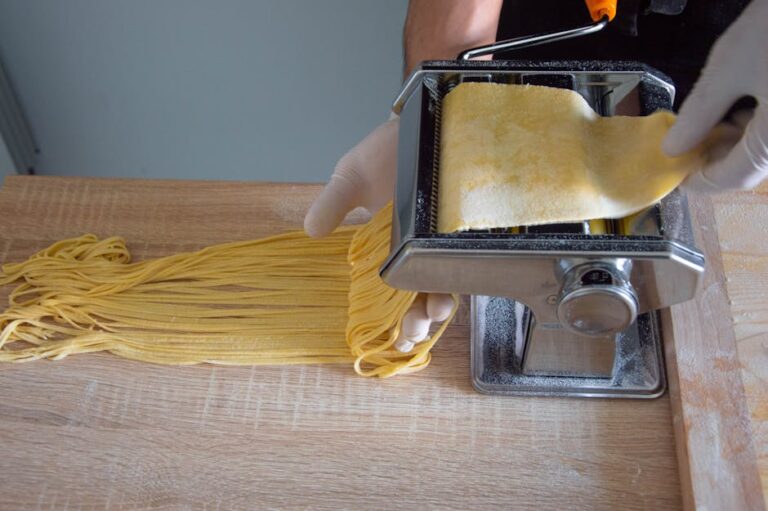
Homemade Pasta Making Process - Image 2

To make great pasta, you need to start with high-quality ingredients. This includes 00 flour, eggs, and salt. The type of flour you use will affect the texture and flavor of your pasta, so it’s worth experimenting with different types to find the one that works best for you.

Preparing the Dough

Once you have your ingredients, it’s time to start preparing the dough. This involves combining the flour, eggs, and salt in a mixing bowl and kneading the mixture until it forms a smooth, elastic ball. You can do this by hand or using a stand mixer with a dough hook attachment.

Tips for Kneading the Dough

  • Use a light touch to avoid over-working the dough
  • Knead the dough for at least 10 minutes to develop the gluten
  • Let the dough rest for 30 minutes to allow the gluten to relax

Shaping the Pasta

Once the dough is ready, it’s time to start shaping the pasta. This can be done using a variety of techniques, including rolling, cutting, and shaping by hand. You can also use a pasta machine to help you achieve a uniform thickness and texture.

Cooking the Pasta

Cooking the pasta is the final step in the process. This involves boiling the pasta in salted water until it’s al dente, then draining and serving it with your favorite sauce. You can find a wide range of pasta recipes on websites like epicurious and foodnetwork.

Troubleshooting Common Issues

Even with practice and experience, making pasta can be a tricky process. Common issues include over-working the dough, under-cooking the pasta, and using the wrong type of flour. By following the tips and techniques outlined in this article, you can avoid these common mistakes and create delicious, homemade pasta.

FAQs

What type of flour is best for making pasta?

00 flour is a good choice for making pasta, as it has a low protein content and will produce a tender, delicate texture.

How long does it take to make pasta from scratch?

The time it takes to make pasta from scratch will depend on the type of pasta you're making and the level of complexity involved. On average, it can take around 1-2 hours to make a batch of homemade pasta.

Can I use a stand mixer to knead the dough?

Yes, you can use a stand mixer with a dough hook attachment to knead the dough. This can be a big time-saver and will help to develop the gluten in the dough.

How do I store homemade pasta?

Homemade pasta can be stored in an airtight container in the fridge for up to 3 days or frozen for up to 6 months.

Related Reading

Mastering Pasta: Learn How to Make Pasta

Learning how to make pasta is an essential skill for any aspiring chef or home cook. With its rich history and versatility, pasta is a staple in many cuisines around the world. In this article, we will delve into the world of pasta making, covering the basics, techniques, and recipes to help you become a pasta master.

Understanding Pasta Basics

Homemade Pasta Making Process - Image 2

Pasta is made from a simple dough of flour, eggs, and water. The type of flour used can vary, with ’00’ flour being the most common choice for its fine texture and ability to hold shape. To start making pasta, you will need a few basic tools, including a mixing bowl, a wooden spoon, and a pasta machine or rolling pin.

Choosing the Right Ingredients

The quality of your ingredients is crucial when learning how to make pasta. Look for high-quality flour, fresh eggs, and pure water. You may also want to consider adding flavorings such as salt, olive oil, or herbs to your dough. Here are some key ingredients to keep in mind:

  • 1 cup of ’00’ flour
  • 1 large egg
  • 1/4 teaspoon of salt

Techniques for Making Pasta

Once you have your ingredients, it’s time to start making your pasta. Begin by creating a well in your flour and cracking in your egg. Use a fork to gradually incorporate the flour into the egg, then use your hands to knead the dough. For more information on pasta making techniques, visit epicurious or foodnetwork.

Tips for Perfecting Your Pasta

To perfect your pasta, it’s essential to practice, practice, practice. Here are a few tips to keep in mind:

  • Use a pasta machine to achieve uniform thickness
  • Cook your pasta al dente for the best texture
  • Experiment with different shapes and flavors

Common Pasta Shapes and Recipes

From spaghetti to fettuccine, there are countless pasta shapes to explore. Each shape is suited to different sauces and recipes, so it’s essential to understand the basics. For example, long, thin shapes like spaghetti pair well with light, oily sauces, while thicker shapes like pappardelle work better with hearty meat sauces.

Popular Pasta Recipes

Some popular pasta recipes include spaghetti carbonara, fettuccine Alfredo, and cacio e pepe. These dishes are all relatively simple to make and require just a few ingredients. To learn more about these recipes and others, visit your local library or browse online cooking resources.

In conclusion, learning how to make pasta is a rewarding and delicious journey. With practice and patience, you can become a pasta master, creating beautiful, delicious dishes that will impress friends and family alike.

FAQs

What type of flour is best for making pasta?

High-quality '00' flour is the most common choice for making pasta due to its fine texture and ability to hold shape.

How long does it take to make pasta from scratch?

The time it takes to make pasta from scratch can vary, but with practice, you can make a batch of pasta in about 30 minutes to an hour.

Can I make pasta without a pasta machine?

Yes, you can make pasta without a pasta machine. Simply use a rolling pin to roll out your dough to the desired thickness.

How do I store homemade pasta?

Homemade pasta can be stored in an airtight container in the fridge for up to 3 days or frozen for up to 6 months.

What are some common mistakes to avoid when making pasta?

Common mistakes to avoid when making pasta include overworking the dough, not cooking the pasta long enough, and using low-quality ingredients.

Related Reading

Make Delicious Pasta at Home

Learning how to make pasta can be a fun and rewarding experience, allowing you to create a wide variety of delicious dishes from scratch. With a few simple ingredients and some basic kitchen equipment, you can start making your own pasta at home. In this article, we’ll take you through the process of making pasta from start to finish, covering everything from the basics of pasta dough to the various techniques for shaping and cooking your creations.

Understanding Pasta Dough

Homemade Pasta Making - Image 2

Pasta dough is a simple mixture of flour, eggs, and water, but the proportions of these ingredients can vary depending on the type of pasta you’re trying to make. For example, a traditional Italian pasta dough might include a combination of ’00’ flour, eggs, and olive oil, while a more rustic pasta dough might use coarser flour and water. To get started, you’ll need to combine your ingredients in a mixing bowl and knead the dough until it becomes smooth and elastic.

Shaping Your Pasta

Basic Shaping Techniques

Once your dough is ready, it’s time to start shaping it into the desired form. This can be as simple as rolling out the dough into thin sheets for lasagna or cannelloni, or as complex as creating intricate shapes like tortellini or ravioli. Some common shaping techniques include:

  • Rolling out the dough into thin sheets
  • Using a pasta machine to create uniform thickness
  • Shaping the dough into tubes, spirals, or other forms

Cooking Your Pasta

Cooking pasta is a straightforward process that requires some basic kitchen equipment, including a large pot of boiling water and a colander for draining. To cook your pasta, simply add it to the boiling water and cook until it’s al dente, then drain and serve with your favorite sauce. For more information on cooking pasta, you can visit epicurious or foodnetwork.

Adding Flavor to Your Pasta

One of the best things about making pasta at home is the ability to add your own unique flavors and ingredients to the dough. This can be as simple as adding some dried herbs or spices to the dough, or as complex as creating your own custom flavor combinations using ingredients like truffle oil or lemon zest.

Tips and Variations

As you become more confident in your pasta-making abilities, you can start to experiment with different ingredients and techniques to create unique and delicious variations. Some ideas to get you started include:

  • Adding different types of flour, such as whole wheat or buckwheat, to create a nuttier flavor
  • Using flavored oils, such as truffle or garlic, to add depth to your pasta
  • Experimenting with different shaping techniques, such as using a pasta machine or creating handmade shapes

With practice and patience, you can master the art of how to make pasta and create a wide variety of delicious dishes to enjoy at home.

FAQs

What type of flour is best for making pasta?

The best type of flour for making pasta is '00' flour, which is a finely milled flour that produces a smooth and tender dough.

How long does it take to cook pasta?

The cooking time for pasta will depend on the type and thickness of the pasta, but most types of pasta will be cooked in 8-12 minutes.

Can I make pasta without a pasta machine?

Yes, you can make pasta without a pasta machine by rolling out the dough by hand or using a rolling pin to create a uniform thickness.

How do I store homemade pasta?

Homemade pasta can be stored in an airtight container in the refrigerator for up to 3 days or frozen for up to 6 months.

Can I add flavorings to my pasta dough?

Yes, you can add flavorings such as herbs, spices, and oils to your pasta dough to create unique and delicious variations.

Related Reading