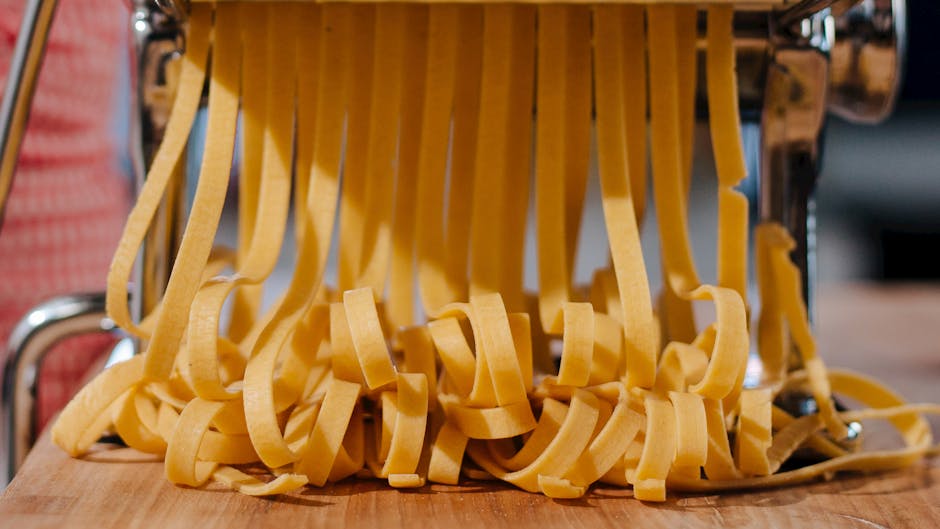
Learning how to make pasta can be a fun and rewarding experience, allowing you to create a wide variety of delicious dishes from scratch. With a few simple ingredients and some basic kitchen equipment, you can start making your own pasta at home. In this article, we’ll take you through the process of making pasta from start to finish, covering everything from the basics of pasta dough to the various techniques for shaping and cooking your creations.
Understanding Pasta Dough
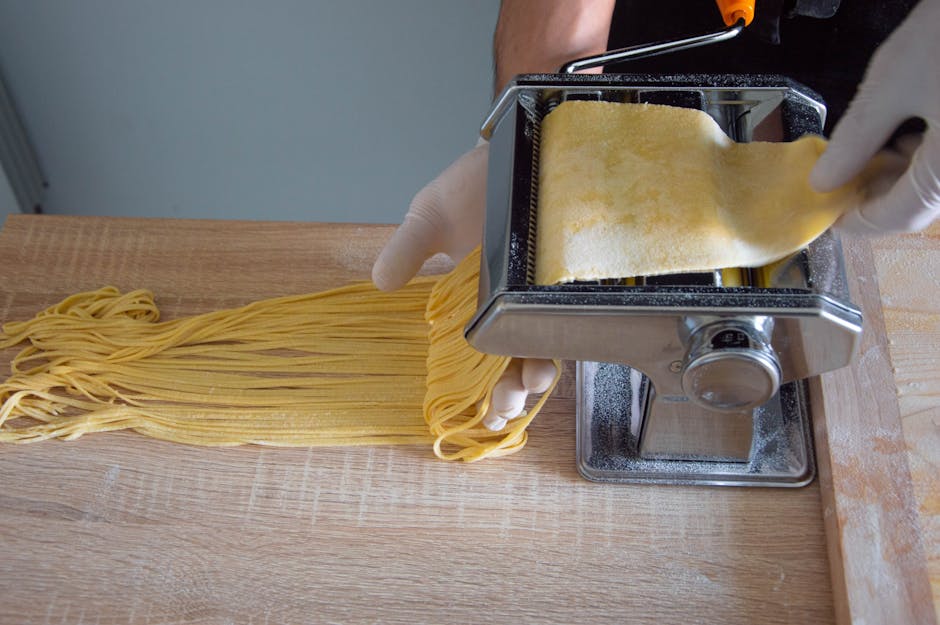
Pasta dough is a simple mixture of flour, eggs, and water, but the proportions of these ingredients can vary depending on the type of pasta you’re trying to make. For example, a traditional Italian pasta dough might include a combination of ’00’ flour, eggs, and olive oil, while a more rustic pasta dough might use coarser flour and water. To get started, you’ll need to combine your ingredients in a mixing bowl and knead the dough until it becomes smooth and elastic.
Shaping Your Pasta
Basic Shaping Techniques
Once your dough is ready, it’s time to start shaping it into the desired form. This can be as simple as rolling out the dough into thin sheets for lasagna or cannelloni, or as complex as creating intricate shapes like tortellini or ravioli. Some common shaping techniques include:
- Rolling out the dough into thin sheets
- Using a pasta machine to create uniform thickness
- Shaping the dough into tubes, spirals, or other forms
Cooking Your Pasta
Cooking pasta is a straightforward process that requires some basic kitchen equipment, including a large pot of boiling water and a colander for draining. To cook your pasta, simply add it to the boiling water and cook until it’s al dente, then drain and serve with your favorite sauce. For more information on cooking pasta, you can visit epicurious or foodnetwork.
Adding Flavor to Your Pasta
One of the best things about making pasta at home is the ability to add your own unique flavors and ingredients to the dough. This can be as simple as adding some dried herbs or spices to the dough, or as complex as creating your own custom flavor combinations using ingredients like truffle oil or lemon zest.
Tips and Variations
As you become more confident in your pasta-making abilities, you can start to experiment with different ingredients and techniques to create unique and delicious variations. Some ideas to get you started include:
- Adding different types of flour, such as whole wheat or buckwheat, to create a nuttier flavor
- Using flavored oils, such as truffle or garlic, to add depth to your pasta
- Experimenting with different shaping techniques, such as using a pasta machine or creating handmade shapes
With practice and patience, you can master the art of how to make pasta and create a wide variety of delicious dishes to enjoy at home.
FAQs
What type of flour is best for making pasta?
The best type of flour for making pasta is '00' flour, which is a finely milled flour that produces a smooth and tender dough.
How long does it take to cook pasta?
The cooking time for pasta will depend on the type and thickness of the pasta, but most types of pasta will be cooked in 8-12 minutes.
Can I make pasta without a pasta machine?
Yes, you can make pasta without a pasta machine by rolling out the dough by hand or using a rolling pin to create a uniform thickness.
How do I store homemade pasta?
Homemade pasta can be stored in an airtight container in the refrigerator for up to 3 days or frozen for up to 6 months.
Can I add flavorings to my pasta dough?
Yes, you can add flavorings such as herbs, spices, and oils to your pasta dough to create unique and delicious variations.