Looking for the best cab book to make your daily commute easier? You’re not alone. With so many options available, it can be hard to choose the right one. Honestly, I used to make this mistake too, but after trying out several cab books, I’ve found some top picks that I’d like to share with you.
- What to Look for in a Cab Book
- Top Cab Book Options for Different Budgets
- The Best Cab Book for iPhone Users
- How to Use a Cab Book to Save Time and Money
- The Future of Cab Booking: Trends to Watch
- Cab Book Safety Features to Consider
- Conclusion: Choosing the Best Cab Book for You
- Frequently Asked Questions
What to Look for in a Cab Book
I’ll be straight with you — on choosing a cab book, there are several factors to consider. First and foremost, you want a service that’s reliable and efficient. You also want to make sure that the app is user-friendly and easy to navigate. In my experience, the best cab books are those that offer real-time tracking, so you can see exactly where your driver is and when they’ll arrive.
Another important factor to consider is safety. You want to make sure that the cab book you choose has a good safety record and that the drivers are trustworthy. One way to do this is to read reviews from other users and check the app’s safety features, such as GPS tracking and emergency buttons.
- Reliability and efficiency
- User-friendly interface
- Real-time tracking
- Safety features, such as GPS tracking and emergency buttons
Top Cab Book Options for Different Budgets
Here are some top cab book options for different budgets:
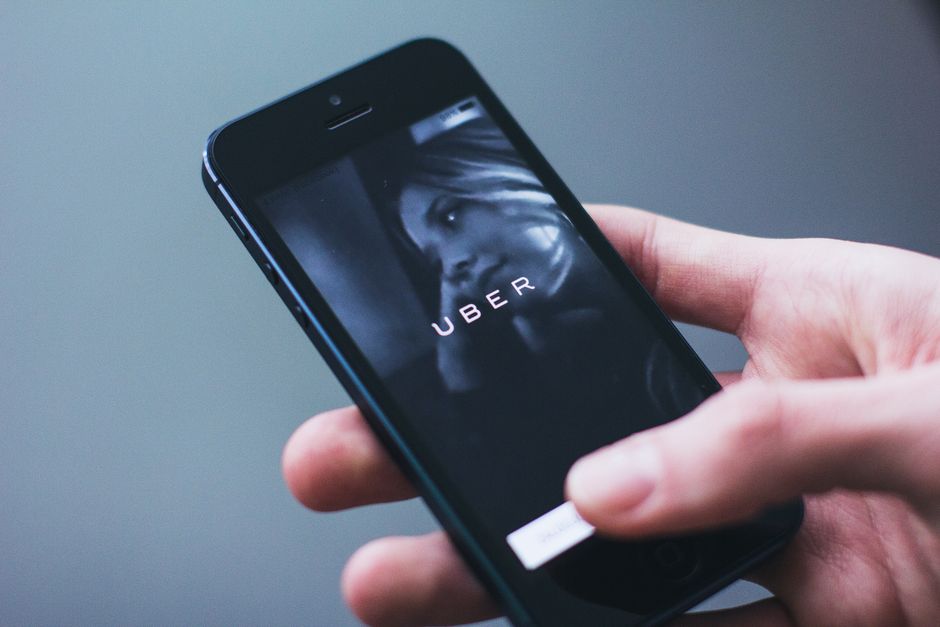
- Uber: Best for those who want a reliable and efficient service, with prices starting at around $10. Worst at: Surging prices during peak hours.
- Lyft: Best for those who want a user-friendly interface, with prices starting at around $8. Worst at: Limited availability in some areas.
- Via: Best for those who want a affordable and eco-friendly option, with prices starting at around $5. Worst at: Limited availability in some areas.
- Gett: Best for those who want a corporate-friendly service, with prices starting at around $15. Worst at: Higher prices than some other options.
- Curb: Best for those who want a reliable and efficient service, with prices starting at around $10. Worst at: Limited availability in some areas.
According to a report by The New York Times in 2025, the ride-hailing market is expected to continue to grow, with more and more people turning to cab books for their daily commute.
The Best Cab Book for iPhone Users
If you’re an iPhone user, you’ll want to consider a cab book that’s optimized for your device. One option is Uber, which has a smooth integration with Apple Pay and Siri. Another option is Lyft, which has a user-friendly interface and real-time tracking.
Using Apple Pay with Your Cab Book
Using Apple Pay with your cab book is easy and convenient. Simply add your credit or debit card to your Apple Wallet, and you’ll be able to pay for your rides with just a tap of your phone.
How to Use a Cab Book to Save Time and Money
Using a cab book can save you time and money in several ways. First, you can use the app to track your driver in real-time, so you can see exactly when they’ll arrive. You can also use the app to pay for your ride, which can save you time and hassle.
In addition, many cab books offer discounts and promotions, especially for first-time users. For example, Uber offers a $10 discount for new users, while Lyft offers a $15 discount.
The Future of Cab Booking: Trends to Watch
The future of cab booking is exciting, with several trends to watch. One trend is the growth of electric and hybrid vehicles, which are becoming increasingly popular among cab book companies. Another trend is the use of artificial intelligence and machine learning to improve the ride-hailing experience.
According to a report by Reuters in 2026, the use of electric and hybrid vehicles is expected to increase significantly in the next few years, with many cab book companies investing in these types of vehicles.
Cab Book Safety Features to Consider
on cab book safety, there are several features to consider. One feature is GPS tracking, which allows you to track your driver in real-time. Another feature is emergency buttons, which allow you to quickly alert authorities in case of an emergency.
In addition, many cab books offer safety features such as two-factor authentication and encryption, which can help to protect your personal and payment information.
Conclusion: Choosing the Best Cab Book for You
Choosing the best cab book for you depends on several factors, including your budget, your location, and your personal preferences. By considering these factors and doing your research, you can find a cab book that meets your needs and provides a safe and efficient ride-hailing experience.
So what are you waiting for? Download a cab book today and start enjoying the convenience and flexibility of ride-hailing.
Frequently Asked Questions
What is the best cab book for daily commute?
The best cab book for daily commute depends on several factors, including your budget, your location, and your personal preferences. Some popular options include Uber, Lyft, and Via.
How do I choose the best cab book for my needs?
To choose the best cab book for your needs, consider factors such as reliability, efficiency, user-friendly interface, real-time tracking, and safety features. You can also read reviews from other users and check the app's safety record.
What are some safety features to consider when choosing a cab book?
Some safety features to consider when choosing a cab book include GPS tracking, emergency buttons, two-factor authentication, and encryption. You can also check the app's safety record and read reviews from other users.
Can I use a cab book to save time and money?
Yes, using a cab book can save you time and money in several ways. You can use the app to track your driver in real-time, pay for your ride, and take advantage of discounts and promotions.
What is the future of cab booking?
The future of cab booking is exciting, with several trends to watch. These include the growth of electric and hybrid vehicles, the use of artificial intelligence and machine learning, and the increasing popularity of ride-hailing services.