Safarkolkata

Your Trusted Travel Partner

logo

Contact Info

Chicago 12, Melborne City, USA

+88 01682648101

info@example.com

Mastering Pasta: Learn How to Make Pasta

Learning how to make pasta is an essential skill for any aspiring chef or home cook. With its rich history and versatility, pasta is a staple in many cuisines around the world. In this article, we will delve into the world of pasta making, covering the basics, techniques, and recipes to help you become a pasta master.

Understanding Pasta Basics

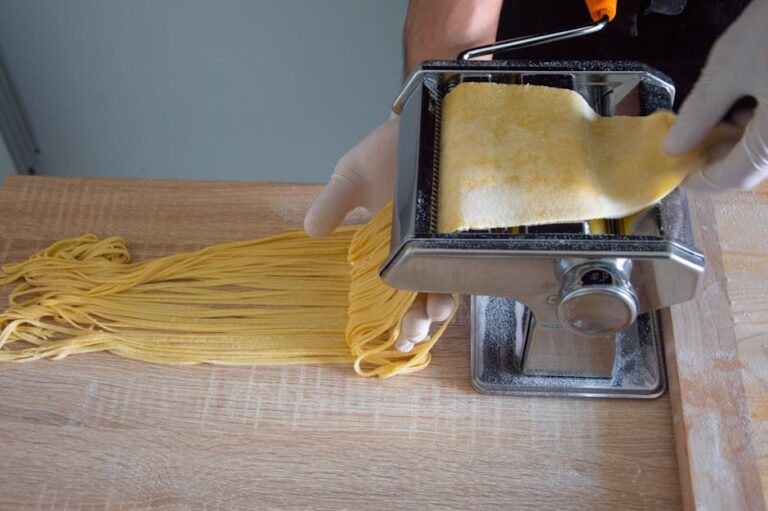
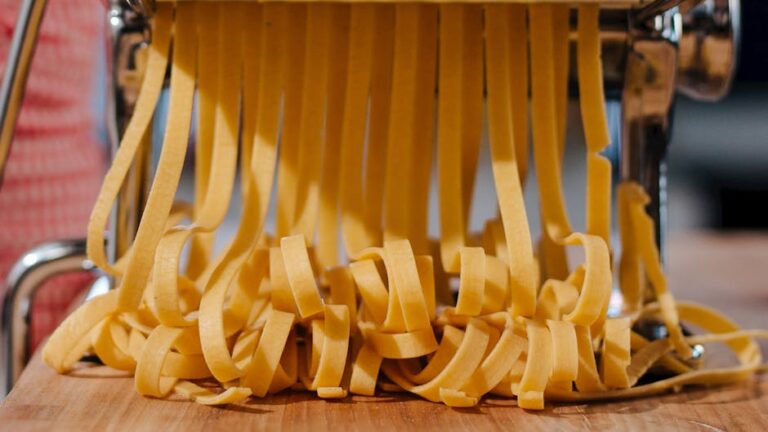
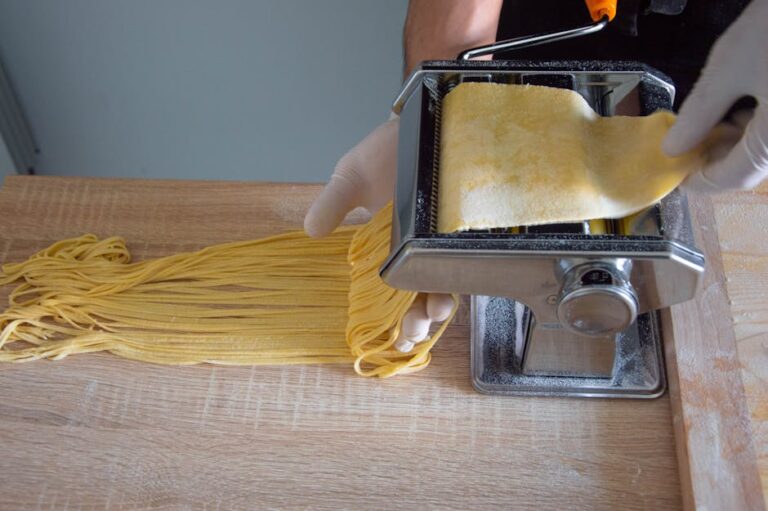
Homemade Pasta Making Process - Image 2

Pasta is made from a simple dough of flour, eggs, and water. The type of flour used can vary, with ’00’ flour being the most common choice for its fine texture and ability to hold shape. To start making pasta, you will need a few basic tools, including a mixing bowl, a wooden spoon, and a pasta machine or rolling pin.

Choosing the Right Ingredients

The quality of your ingredients is crucial when learning how to make pasta. Look for high-quality flour, fresh eggs, and pure water. You may also want to consider adding flavorings such as salt, olive oil, or herbs to your dough. Here are some key ingredients to keep in mind:

  • 1 cup of ’00’ flour
  • 1 large egg
  • 1/4 teaspoon of salt

Techniques for Making Pasta

Once you have your ingredients, it’s time to start making your pasta. Begin by creating a well in your flour and cracking in your egg. Use a fork to gradually incorporate the flour into the egg, then use your hands to knead the dough. For more information on pasta making techniques, visit epicurious or foodnetwork.

Tips for Perfecting Your Pasta

To perfect your pasta, it’s essential to practice, practice, practice. Here are a few tips to keep in mind:

  • Use a pasta machine to achieve uniform thickness
  • Cook your pasta al dente for the best texture
  • Experiment with different shapes and flavors

Common Pasta Shapes and Recipes

From spaghetti to fettuccine, there are countless pasta shapes to explore. Each shape is suited to different sauces and recipes, so it’s essential to understand the basics. For example, long, thin shapes like spaghetti pair well with light, oily sauces, while thicker shapes like pappardelle work better with hearty meat sauces.

Popular Pasta Recipes

Some popular pasta recipes include spaghetti carbonara, fettuccine Alfredo, and cacio e pepe. These dishes are all relatively simple to make and require just a few ingredients. To learn more about these recipes and others, visit your local library or browse online cooking resources.

In conclusion, learning how to make pasta is a rewarding and delicious journey. With practice and patience, you can become a pasta master, creating beautiful, delicious dishes that will impress friends and family alike.

FAQs

What type of flour is best for making pasta?

High-quality '00' flour is the most common choice for making pasta due to its fine texture and ability to hold shape.

How long does it take to make pasta from scratch?

The time it takes to make pasta from scratch can vary, but with practice, you can make a batch of pasta in about 30 minutes to an hour.

Can I make pasta without a pasta machine?

Yes, you can make pasta without a pasta machine. Simply use a rolling pin to roll out your dough to the desired thickness.

How do I store homemade pasta?

Homemade pasta can be stored in an airtight container in the fridge for up to 3 days or frozen for up to 6 months.

What are some common mistakes to avoid when making pasta?

Common mistakes to avoid when making pasta include overworking the dough, not cooking the pasta long enough, and using low-quality ingredients.

Related Reading

Make Perfect Pasta: Easy Guide

Discover the art of how to make pasta with our comprehensive guide. Making pasta from scratch can be a fun and rewarding experience, allowing you to create a wide range of delicious dishes. In this article, we’ll take you through the steps to make perfect pasta, from choosing the right ingredients to cooking it to perfection.

Choosing the Right Ingredients

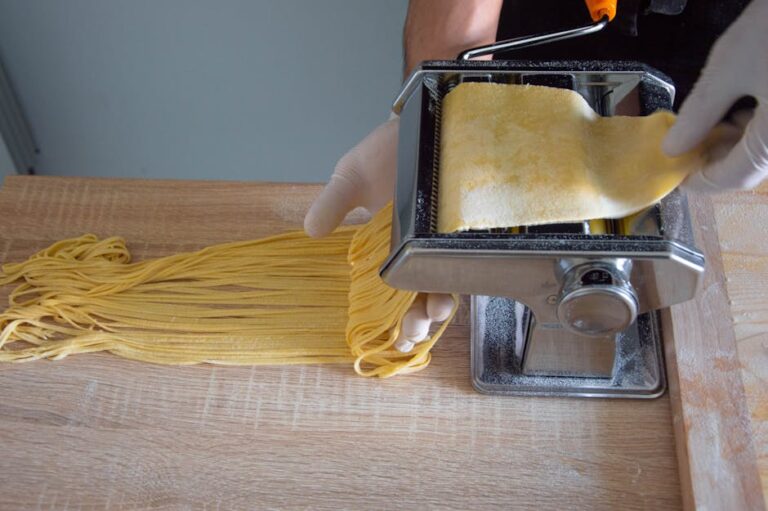
Homemade Pasta Dish - Image 2

To make great pasta, you need to start with the right ingredients. This includes ’00’ flour, eggs, salt, and water. The quality of your ingredients will directly impact the taste and texture of your pasta.

Understanding ’00’ Flour

’00’ flour, also known as caputo or all-purpose flour, is the best type of flour to use for making pasta. It has a low protein content, which helps to create a smooth and tender pasta.

Step-by-Step Guide to Making Pasta

Now that we have our ingredients, let’s move on to the process of making pasta. Here’s a step-by-step guide to get you started:

  • In a large mixing bowl, combine 1 cup of ’00’ flour and 1 egg.
  • Mix the ingredients together until a dough forms.
  • Knead the dough for 10 minutes until it becomes smooth and elastic.
  • Wrap the dough in plastic wrap and let it rest for 30 minutes.
  • Divide the dough into 4 equal pieces and roll out each piece into a thin sheet.
  • Cut the pasta into your desired shape, such as spaghetti or fettuccine.

Cooking Your Pasta

Now that we have our pasta, it’s time to cook it. How to make pasta is not just about making the pasta itself, but also about cooking it to perfection. Here are some tips to help you cook your pasta:

Cook your pasta in a large pot of boiling, salted water. The general rule of thumb is to use 4 cups of water for every 1 cup of pasta.

Avoid Overcooking

One of the most common mistakes people make when cooking pasta is overcooking it. This can make the pasta mushy and unappetizing. To avoid overcooking, cook your pasta until it’s al dente, which means it should still have a bit of bite to it.

Tips and Variations

Now that you know the basics of how to make pasta, let’s look at some tips and variations to take your pasta to the next level. For more information, you can visit epicurious or foodnetwork.

Conclusion

Making pasta from scratch can be a fun and rewarding experience. With these tips and tricks, you’ll be well on your way to creating delicious pasta dishes that will impress your friends and family. Remember to practice makes perfect, so don’t be discouraged if your first batch of pasta doesn’t turn out as expected.

FAQs

What type of flour is best for making pasta?

'00' flour, also known as caputo or all-purpose flour, is the best type of flour to use for making pasta.

How long should I cook my pasta?

Cook your pasta until it's al dente, which means it should still have a bit of bite to it.

Can I add flavorings to my pasta dough?

Yes, you can add flavorings such as herbs, spices, or vegetables to your pasta dough to create unique and delicious flavors.

How do I store my homemade pasta?

You can store your homemade pasta in an airtight container in the fridge for up to 3 days or freeze it for up to 6 months.

Related Reading

Learn How to Make Pasta

Learning how to make pasta can be a fun and rewarding experience, especially for those who love Italian cuisine. With a few simple ingredients and some basic kitchen tools, you can create delicious homemade pasta dishes that will impress your family and friends. In this article, we will explore the basics of making pasta, including the different types of pasta, the necessary ingredients, and the step-by-step process of creating your own pasta from scratch.

Understanding the Basics of Pasta Making

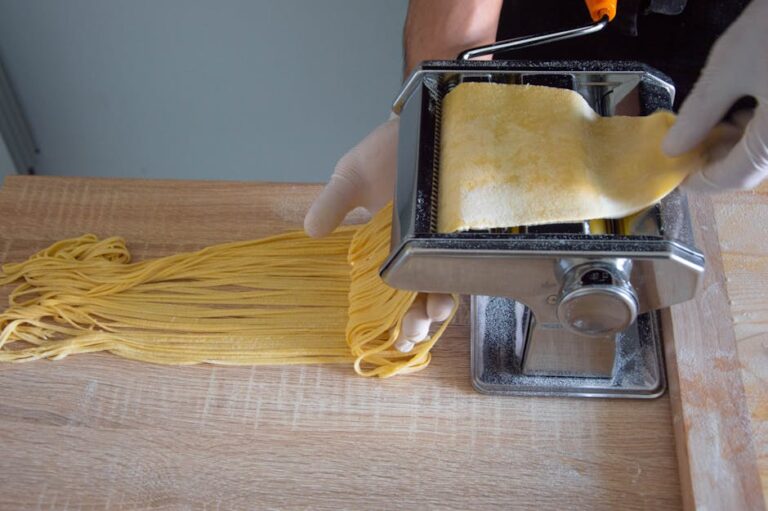
Homemade Pasta Making Process - Image 2

Before you start making pasta, it’s essential to understand the different types of pasta and their characteristics. There are two main types of pasta: dry pasta and fresh pasta. Dry pasta is made from durum wheat semolina and is typically produced commercially, while fresh pasta is made from eggs and flour and is often made at home.

Gathering Ingredients and Tools

To make pasta, you will need a few basic ingredients, including flour, eggs, and salt. You will also need a stand mixer or a hand mixer to mix the dough, as well as a pasta machine or a roller to roll out the dough. Other useful tools include a sharp knife or pasta cutter to cut the pasta into the desired shape.

Essential Tools for Pasta Making

  • Stand mixer or hand mixer
  • Pasta machine or roller
  • Sharp knife or pasta cutter
  • Clean work surface for kneading

Step-by-Step Guide to Making Pasta

Making pasta from scratch involves several steps, including mixing the dough, kneading the dough, rolling out the dough, and cutting the pasta into the desired shape. To start, combine the flour, eggs, and salt in a mixing bowl and mix the ingredients together until a dough forms. Then, knead the dough on a clean work surface for several minutes until it becomes smooth and elastic.

Tips and Variations for Making Pasta

Once you have mastered the basic technique of how to make pasta, you can experiment with different flavors and ingredients to create unique and delicious pasta dishes. Some ideas include adding herbs or spices to the dough, using different types of flour, or adding vegetable purees to the dough for extra flavor and nutrition.

Common Mistakes to Avoid When Making Pasta

While making pasta can be a fun and rewarding experience, there are several common mistakes to avoid. These include overworking the dough, which can lead to tough or chewy pasta, and not cooking the pasta long enough, which can result in undercooked or raw pasta. For more information on making pasta and other Italian dishes, visit epicurious or foodnetwork.

In conclusion, learning how to make pasta is a skill that can be mastered with practice and patience. With the right ingredients, tools, and techniques, you can create delicious homemade pasta dishes that will impress your family and friends.

FAQs

What are the basic ingredients needed to make pasta?

The basic ingredients needed to make pasta include flour, eggs, and salt.

What is the difference between dry pasta and fresh pasta?

Dry pasta is made from durum wheat semolina and is typically produced commercially, while fresh pasta is made from eggs and flour and is often made at home.

How do I knead the pasta dough?

To knead the pasta dough, combine the flour, eggs, and salt in a mixing bowl and mix the ingredients together until a dough forms. Then, knead the dough on a clean work surface for several minutes until it becomes smooth and elastic.

What are some common mistakes to avoid when making pasta?

Some common mistakes to avoid when making pasta include overworking the dough, which can lead to tough or chewy pasta, and not cooking the pasta long enough, which can result in undercooked or raw pasta.

Where can I find more information on making pasta and other Italian dishes?

For more information on making pasta and other Italian dishes, visit epicurious or foodnetwork.

Related Reading

Master How to Make Pasta

Learning how to make pasta can seem daunting, but with the right guidance, you can create delicious, homemade pasta dishes. The process involves mixing, kneading, and shaping dough, followed by cooking it to perfection. In this article, we will explore the steps involved in making pasta and provide you with helpful tips and tricks to enhance your culinary skills.

Understanding the Basics of Pasta Making

Homemade Pasta Making Process - Image 2

Before you start, it’s essential to understand the basic ingredients and equipment required for making pasta. You will need flour, eggs, salt, and a pasta machine or a sharp knife for shaping. The quality of the ingredients and the equipment can significantly impact the final result.

Preparing the Dough

To prepare the dough, combine flour, eggs, and salt in a mixing bowl. Mix the ingredients until they form a ball, then knead the dough for about 10 minutes until it becomes smooth and elastic. You can also use a stand mixer with a dough hook attachment to simplify the process.

Kneading Techniques

  • Use a pushing-down motion to knead the dough.
  • Fold the dough back onto itself and repeat the process.
  • Apply gentle pressure to avoid tearing the dough.

Shaping the Pasta

Once the dough is ready, you can start shaping it into your desired pasta shape. Use a pasta machine to roll out the dough to the desired thickness, then cut it into the desired shape using a sharp knife or a pasta cutter. You can also use a manual or automatic pasta maker for more uniform results.

For more information on pasta making, visit epicurious or foodnetwork for a wide range of recipes and tutorials.

Cooking the Pasta

Cooking pasta is a straightforward process that requires attention to timing and temperature. Bring a large pot of salted water to a boil, then add the pasta and cook until it’s al dente. Reserve some of the pasta water before draining the pasta, as it can be used to adjust the consistency of the sauce.

Serving and Enjoying Your Homemade Pasta

Serving and enjoying your homemade pasta is the final step in the process. Choose a sauce that complements the flavor and texture of your pasta, and don’t be afraid to experiment with different combinations. Learning how to make pasta is a rewarding experience that can elevate your culinary skills and provide you with a new appreciation for this classic dish.

In conclusion, making pasta at home is a fun and rewarding experience that requires patience, practice, and the right techniques. By following these steps and tips, you can create delicious homemade pasta dishes that will impress your family and friends. Remember to always use fresh, high-quality ingredients and to experiment with different shapes, sauces, and flavors to find your favorite combinations.

FAQs

What is the best type of flour to use for making pasta?

The best type of flour to use for making pasta is '00' flour or all-purpose flour with a high protein content.

How long does it take to knead the dough?

Kneading the dough typically takes around 10 minutes, depending on the technique and the equipment used.

Can I use a stand mixer to knead the dough?

Yes, you can use a stand mixer with a dough hook attachment to knead the dough, which can simplify the process and save time.

How do I store homemade pasta?

Homemade pasta can be stored in an airtight container in the refrigerator for up to 3 days or frozen for up to 6 months.

Related Reading

Make Perfect Pasta: Tips & Tricks

Learning how to make pasta can seem intimidating, but with the right ingredients and techniques, you can create delicious homemade pasta dishes. To start, you’ll need to choose the right type of flour, eggs, and other ingredients. The quality of your ingredients will greatly impact the taste and texture of your pasta.

Choosing the Right Ingredients

Homemade Pasta Making Process - Image 2

When it comes to making pasta, the right ingredients are crucial. You’ll need ’00’ flour, eggs, salt, and water. The ’00’ flour is a type of flour that is finely milled, making it perfect for pasta. You can also add other ingredients such as olive oil, herbs, and spices to give your pasta more flavor.

Cooking Techniques

Cooking pasta is an art that requires patience and practice. To cook pasta, you’ll need to bring a large pot of salted water to a boil. Then, you’ll need to add your pasta and cook it until it’s al dente. The cooking time will vary depending on the type of pasta you’re using. Here are some general guidelines:

  • Spaghetti: 8-10 minutes
  • Fettuccine: 8-10 minutes
  • Pappardelle: 10-12 minutes

Tips for Making the Perfect Pasta

When learning how to make pasta, it’s essential to keep in mind a few tips and tricks. First, make sure to use a large enough pot to cook your pasta. This will help prevent the pasta from sticking together. You should also stir your pasta occasionally to prevent it from sticking to the bottom of the pot. For more information on cooking pasta, you can visit epicurious or foodnetwork.

Common Mistakes to Avoid

When making pasta, there are a few common mistakes to avoid. One of the most common mistakes is overcooking the pasta. This can make the pasta mushy and unappetizing. You should also avoid adding too much sauce to your pasta. This can make the pasta heavy and overwhelming.

Conclusion

Learning how to make pasta is a skill that takes time and practice to develop. With the right ingredients and techniques, you can create delicious homemade pasta dishes. Remember to choose the right ingredients, cook your pasta al dente, and avoid common mistakes. With these tips and tricks, you’ll be well on your way to becoming a pasta-making expert.

FAQs

What type of flour is best for making pasta?

The best type of flour for making pasta is '00' flour, which is a finely milled flour that produces a smooth and tender pasta.

How long does it take to cook pasta?

The cooking time for pasta will vary depending on the type of pasta you're using, but it's typically between 8-12 minutes.

What is the best way to store homemade pasta?

The best way to store homemade pasta is to dry it thoroughly and store it in an airtight container in the refrigerator or freezer.

Can I add flavorings to my pasta dough?

Yes, you can add flavorings such as herbs, spices, and olive oil to your pasta dough to give it more flavor.

Related Reading

Learn How to Make Pasta

Learning how to make pasta can be a fun and rewarding experience, allowing you to create a wide range of delicious dishes from scratch. With a few simple ingredients and some basic equipment, you can start making your own pasta at home. In this article, we’ll take you through the process of how to make pasta, from selecting the right ingredients to cooking and serving your finished dish.

Choosing the Right Ingredients

Homemade Pasta Making - Image 2

To make pasta, you’ll need a few basic ingredients, including flour, eggs, and salt. The type of flour you use will depend on the type of pasta you’re making, with ’00’ flour being a good all-purpose choice. You’ll also need a pasta machine or a sharp knife to shape your pasta.

Making the Pasta Dough

To make the pasta dough, combine your flour, eggs, and salt in a large mixing bowl. Mix the ingredients together until a dough forms, then knead the dough for several minutes until it becomes smooth and elastic. You can also use a stand mixer with a dough hook attachment to make the process easier.

Tips for Making the Perfect Pasta Dough

  • Use ’00’ flour for a tender and delicate pasta
  • Don’t overmix the dough, as this can make it tough and chewy
  • Let the dough rest for at least 30 minutes before rolling it out

Shaping the Pasta

Once your dough is ready, you can start shaping it into your desired pasta shape. You can use a pasta machine to roll out the dough and cut it into strips, or use a sharp knife to cut it by hand. Some popular pasta shapes include spaghetti, fettuccine, and pappardelle.

Cooking and Serving the Pasta

To cook your pasta, bring a large pot of salted water to a boil and add your pasta. Cook for 2-5 minutes, or until the pasta is al dente. You can then serve your pasta with your favorite sauce and toppings. For more information on cooking and serving pasta, visit epicurious or foodnetwork.

Troubleshooting Common Pasta-Making Issues

If you’re having trouble making pasta, there are a few common issues you may encounter. These include a dough that’s too sticky or too dry, or pasta that’s overcooked or undercooked. To fix these issues, try adjusting the amount of flour or eggs in your dough, or cooking your pasta for a shorter or longer amount of time.

In conclusion, learning how to make pasta is a fun and rewarding experience that can add a new dimension to your cooking. With a few simple ingredients and some basic equipment, you can start making your own delicious pasta dishes at home.

FAQs

What type of flour is best for making pasta?

The best type of flour for making pasta is '00' flour, which is a fine and tender flour that produces a delicate and smooth pasta.

How long does it take to cook homemade pasta?

The cooking time for homemade pasta will depend on the shape and thickness of the pasta, but it's usually between 2-5 minutes.

Can I make pasta without a pasta machine?

Yes, you can make pasta without a pasta machine by using a sharp knife to cut the dough into strips or by using a rolling pin to roll out the dough.

How do I store homemade pasta?

Homemade pasta can be stored in an airtight container in the fridge for up to 3 days or frozen for up to 6 months.

Can I make gluten-free pasta?

Yes, you can make gluten-free pasta by using a gluten-free flour blend and following a similar process to traditional pasta making.

Related Reading