Safarkolkata

Your Trusted Travel Partner

logo

Contact Info

Chicago 12, Melborne City, USA

+88 01682648101

info@example.com

Mastering Pasta: Learn How to Make Pasta

Learning how to make pasta is an essential skill for any home cook, as it allows you to create a wide variety of delicious dishes with ease. With a few simple ingredients and some basic equipment, you can make your own pasta from scratch, tailoring the flavors and textures to your liking. In this article, we’ll take you through the process of making pasta, from mixing and kneading the dough to shaping and cooking your noodles.

Understanding the Basics of Pasta Making

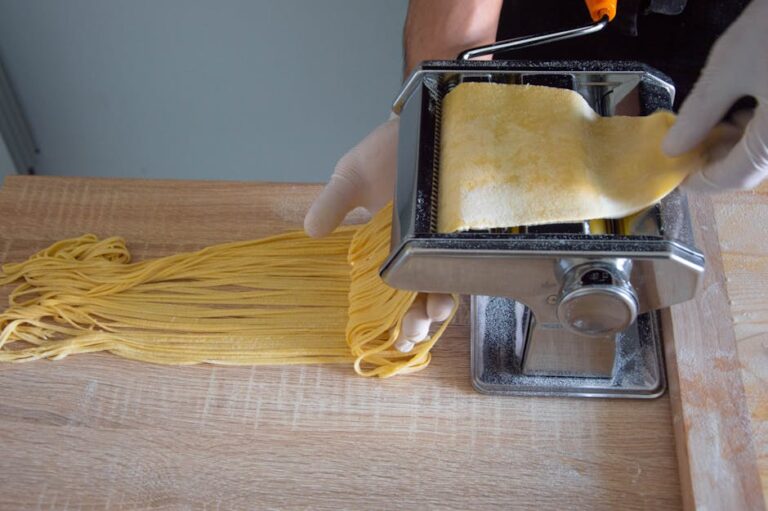
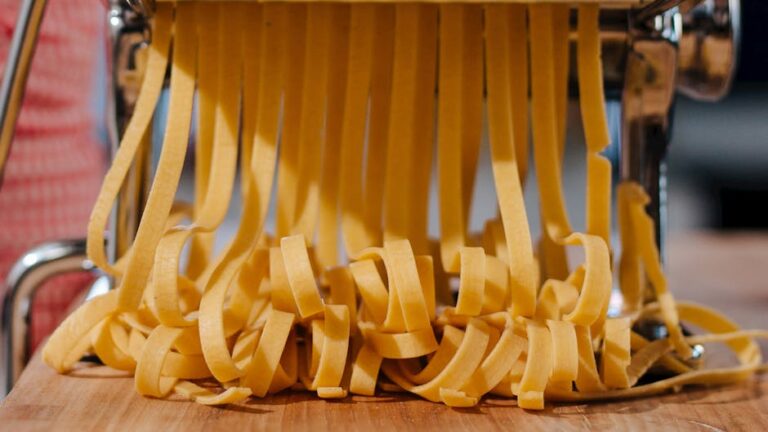
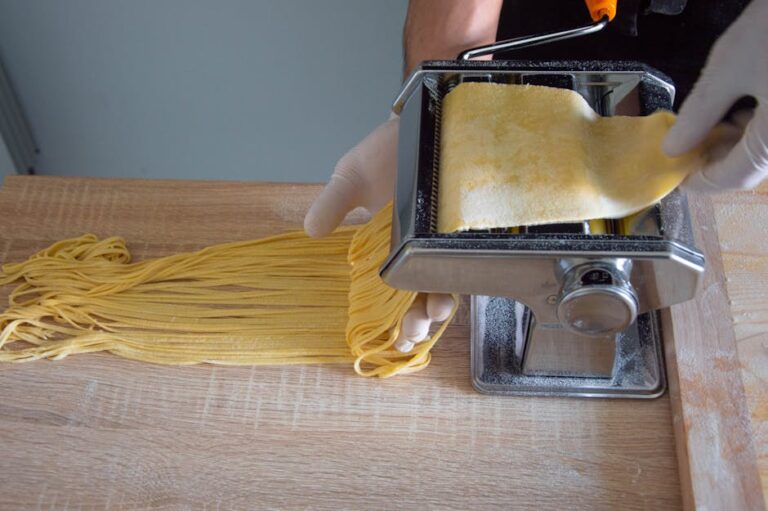
Homemade Pasta Making Process - Image 2

Before you start making pasta, it’s essential to understand the basics of the process. This includes learning about the different types of flour you can use, the importance of eggs in the dough, and the various techniques for kneading and shaping your pasta. With practice, you’ll develop the skills and confidence to create a wide range of pasta dishes, from classic spaghetti and fettuccine to more complex shapes like tortellini and ravioli.

Choosing the Right Ingredients

The quality of your ingredients is crucial when learning how to make pasta. You’ll need to select a good quality flour, such as ’00’ flour or all-purpose flour, and use fresh eggs to create a rich, creamy dough. You may also want to add flavorings like salt, olive oil, or herbs to give your pasta an extra boost of flavor. Some other ingredients you might consider include:

  • Flavorful oils, such as truffle or garlic oil
  • Aromatic herbs, like basil or rosemary
  • Grated cheese, like Parmesan or Pecorino

Mastering the Art of Kneading

Kneading is a critical step in the pasta-making process, as it helps to develop the gluten in the dough and create a smooth, elastic texture. To knead your dough, you’ll need to use a combination of pushing, folding, and turning motions, applying gentle pressure to help the dough come together. With practice, you’ll develop the skills and technique needed to create a beautifully kneaded dough, perfect for shaping into a wide range of pasta shapes.

Shaping and Cooking Your Pasta

Once you’ve kneaded your dough, it’s time to shape it into the desired form. This can be as simple as rolling out the dough to create a thin sheet, or as complex as shaping intricate forms like tortellini or ravioli. When cooking your pasta, be sure to use a large pot of boiling, salted water, and cook your noodles until they’re al dente, or slightly firm to the bite. For more information on cooking pasta, visit epicurious or foodnetwork.

Tips and Variations for Making Pasta

As you become more confident in your pasta-making skills, you may want to experiment with different flavors and techniques. Some ideas to try include:

  • Adding flavorings like spinach, beetroot, or squid ink to create colorful, unique pasta shapes
  • Using alternative flours, like whole wheat or gluten-free flour, to create healthier or more specialized pasta options
  • Creating stuffed pasta shapes, like ravioli or tortellini, filled with delicious ingredients like cheese, meat, or vegetables

In conclusion, learning how to make pasta is a rewarding and delicious experience that can open up a world of culinary possibilities. With practice and patience, you’ll develop the skills and confidence to create a wide range of pasta dishes, from simple spaghetti to complex, filled shapes.

FAQs

What type of flour is best for making pasta?

A good quality '00' flour or all-purpose flour is ideal for making pasta.

How long does it take to knead pasta dough?

Kneading pasta dough typically takes around 10-15 minutes, depending on the size of the batch and the technique used.

Can I make pasta without a pasta machine?

Yes, you can make pasta without a pasta machine by using a rolling pin to roll out the dough and a sharp knife or pastry cutter to shape the noodles.

How do I store homemade pasta?

Homemade pasta can be stored in an airtight container in the fridge for up to 3 days or frozen for up to 6 months.

What are some common mistakes to avoid when making pasta?

Common mistakes to avoid when making pasta include overworking the dough, using too much flour, and not cooking the pasta long enough.

Related Reading

Mastering Pasta: Learn How to Make Pasta

Learning how to make pasta can be a fun and rewarding experience, allowing you to create a wide range of delicious dishes from scratch. With a few simple ingredients and some basic kitchen equipment, you can start making your own pasta at home. In this article, we’ll take you through the process of making pasta, from preparing the ingredients to cooking the final dish.

Choosing the Right Ingredients

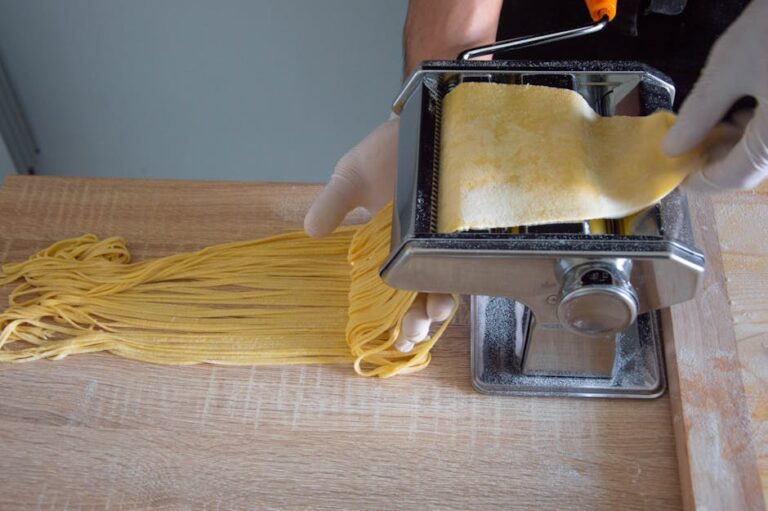
Homemade Pasta Making Process - Image 2

To make great pasta, you need to start with high-quality ingredients. This includes 00 flour, eggs, and salt. The type of flour you use will affect the texture and flavor of your pasta, so it’s worth experimenting with different types to find the one that works best for you.

Preparing the Dough

Once you have your ingredients, it’s time to start preparing the dough. This involves combining the flour, eggs, and salt in a mixing bowl and kneading the mixture until it forms a smooth, elastic ball. You can do this by hand or using a stand mixer with a dough hook attachment.

Tips for Kneading the Dough

  • Use a light touch to avoid over-working the dough
  • Knead the dough for at least 10 minutes to develop the gluten
  • Let the dough rest for 30 minutes to allow the gluten to relax

Shaping the Pasta

Once the dough is ready, it’s time to start shaping the pasta. This can be done using a variety of techniques, including rolling, cutting, and shaping by hand. You can also use a pasta machine to help you achieve a uniform thickness and texture.

Cooking the Pasta

Cooking the pasta is the final step in the process. This involves boiling the pasta in salted water until it’s al dente, then draining and serving it with your favorite sauce. You can find a wide range of pasta recipes on websites like epicurious and foodnetwork.

Troubleshooting Common Issues

Even with practice and experience, making pasta can be a tricky process. Common issues include over-working the dough, under-cooking the pasta, and using the wrong type of flour. By following the tips and techniques outlined in this article, you can avoid these common mistakes and create delicious, homemade pasta.

FAQs

What type of flour is best for making pasta?

00 flour is a good choice for making pasta, as it has a low protein content and will produce a tender, delicate texture.

How long does it take to make pasta from scratch?

The time it takes to make pasta from scratch will depend on the type of pasta you're making and the level of complexity involved. On average, it can take around 1-2 hours to make a batch of homemade pasta.

Can I use a stand mixer to knead the dough?

Yes, you can use a stand mixer with a dough hook attachment to knead the dough. This can be a big time-saver and will help to develop the gluten in the dough.

How do I store homemade pasta?

Homemade pasta can be stored in an airtight container in the fridge for up to 3 days or frozen for up to 6 months.

Related Reading

Learn How to Make Pasta at Home

Learning how to make pasta can be a fun and rewarding experience, allowing you to create a variety of delicious dishes in the comfort of your own home. With a few simple ingredients and some basic kitchen tools, you can start making your own pasta from scratch. In this article, we’ll take you through the process of making pasta, from mixing the dough to cooking the final product.

Understanding the Basics of Pasta Making

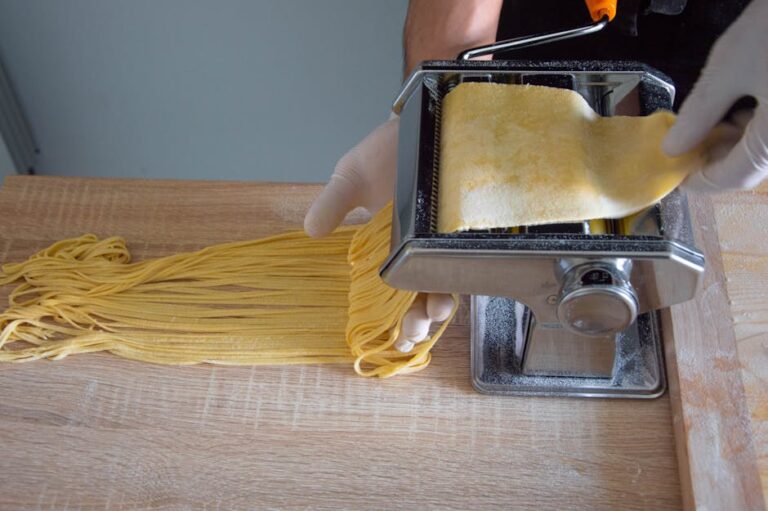
Homemade Pasta Making Process - Image 2

Pasta making is an art that requires some practice to perfect, but with the right techniques and ingredients, you can create delicious homemade pasta. The key to making great pasta is to use high-quality ingredients, including 00 flour, eggs, and salt.

Choosing the Right Ingredients

When it comes to making pasta, the quality of your ingredients can make a big difference in the final product. Here are some things to consider when choosing your ingredients:

  • Flour: Look for high-protein flour, such as 00 flour or all-purpose flour, which will give your pasta a better texture.
  • Eggs: Use large eggs for the best results, as they will provide more moisture and richness to your pasta.
  • Salt: Use a high-quality salt, such as sea salt or kosher salt, to add flavor to your pasta.

Mixing and Kneading the Dough

Mixing and kneading the dough is an important step in making pasta. To mix the dough, combine your flour, eggs, and salt in a large mixing bowl and mix until a shaggy dough forms. Then, knead the dough on a floured surface for about 10 minutes, until it becomes smooth and elastic.

Rolling Out the Dough

Once you’ve mixed and kneaded your dough, it’s time to roll it out into thin sheets. You can use a pasta machine or a rolling pin to roll out the dough, depending on your preference. If you’re using a pasta machine, start at the thickest setting and gradually decrease the thickness as you roll out the dough.

Tips for Rolling Out the Dough

Here are some tips to keep in mind when rolling out the dough:

  • Make sure the dough is at room temperature before rolling it out.
  • Use a light touch when rolling out the dough, as you don’t want to overwork it.
  • If you’re using a pasta machine, make sure to clean it regularly to prevent the dough from sticking.

Cooking and Serving Your Pasta

Once you’ve rolled out your dough, it’s time to cook and serve your pasta. Bring a large pot of salted water to a boil and cook your pasta for 2-4 minutes, or until it’s al dente. Then, drain the pasta and serve it with your favorite sauce. For more information on cooking pasta, visit epicurious or foodnetwork.

In conclusion, learning how to make pasta can be a fun and rewarding experience that allows you to create a variety of delicious dishes in the comfort of your own home. With the right ingredients, techniques, and practice, you can become a pasta-making expert and enjoy homemade pasta for years to come.

FAQs

What type of flour is best for making pasta?

High-protein flour, such as 00 flour or all-purpose flour, is best for making pasta.

How long does it take to cook homemade pasta?

Homemade pasta typically takes 2-4 minutes to cook, or until it's al dente.

Can I use a rolling pin to roll out the dough?

Yes, you can use a rolling pin to roll out the dough, but a pasta machine is recommended for the best results.

What is the best way to store homemade pasta?

Homemade pasta can be stored in an airtight container in the refrigerator for up to 3 days or frozen for up to 6 months.

Related Reading

Master How to Make Pasta

Discovering how to make pasta can be a game-changer for any food enthusiast. Not only does it allow you to create a wide variety of dishes, but it also enables you to control the ingredients and the nutritional value of your meals. In this article, we will delve into the world of pasta making, exploring its history, the basic ingredients needed, and the steps involved in creating delicious pasta dishes.

Introduction to Pasta Making

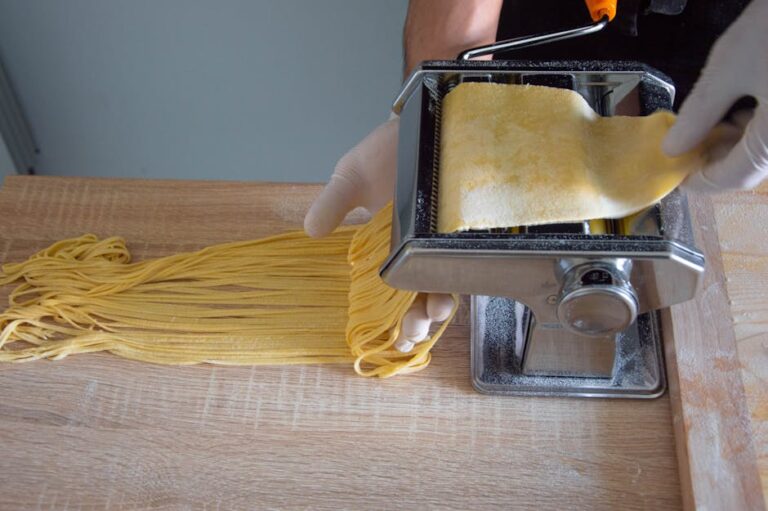
Homemade Pasta Making Process - Image 2

Pasta has been a staple in Italian cuisine for centuries, with its origins dating back to ancient times. The process of making pasta involves mixing flour, eggs, and water to create a dough, which is then shaped into various forms. The art of how to make pasta has been passed down through generations, with each region in Italy having its unique pasta-making traditions.

Ingredients and Equipment Needed

To start making pasta, you will need the following ingredients and equipment:

  • 1 cup of all-purpose flour
  • 1 large egg
  • Water
  • A mixing bowl
  • A rolling pin
  • A pasta machine or a sharp knife

Basic Pasta Making Techniques

Mastering the basic techniques of pasta making is essential to creating delicious and authentic dishes. These techniques include mixing the dough, kneading, and shaping the pasta into various forms. For more information on pasta making techniques, visit epicurious or foodnetwork.

Shaping and Cooking Pasta

Once you have created your pasta dough, it’s time to shape it into your desired form. This can be done using a pasta machine or a sharp knife. After shaping, cook your pasta in boiling, salted water until it’s al dente. The key to cooking perfect pasta is to not overcook it, as this can result in a mushy texture.

Conclusion

In conclusion, learning how to make pasta is a rewarding and delicious experience. With practice and patience, you can create a wide variety of pasta dishes that are sure to impress your family and friends. Remember to experiment with different ingredients and techniques to find your favorite pasta recipes.

FAQs

What are the basic ingredients needed to make pasta?

The basic ingredients needed to make pasta are flour, eggs, and water.

How do I cook pasta?

Cook pasta in boiling, salted water until it's al dente.

Can I make pasta without a pasta machine?

Yes, you can make pasta without a pasta machine by using a sharp knife to shape the dough.

What is the best way to store homemade pasta?

The best way to store homemade pasta is to dry it completely and store it in an airtight container.

Related Reading

Mastering Pasta: How to Make Pasta

When it comes to Italian cuisine, learning how to make pasta is a fundamental skill that can elevate your cooking to the next level. With a few simple ingredients and some practice, you can create a wide variety of delicious pasta dishes that are sure to impress your family and friends. In this article, we’ll take you through the basics of making pasta and provide you with some tips and tricks to help you get started.

Choosing the Right Ingredients

Homemade Pasta Making Process - Image 2

To make great pasta, you need to start with the right ingredients. This includes type 00 flour, eggs, salt, and water. The quality of your ingredients will have a big impact on the final result, so be sure to choose the best you can find. You’ll also need a pasta machine or a stand mixer with a pasta attachment to roll out your dough.

Understanding Pasta Dough

Creating the Perfect Dough

Creating the perfect pasta dough is all about finding the right balance of ingredients and mixing them together in the right way. You’ll want to combine your flour, eggs, salt, and water in a bowl and mix until a dough forms. Then, knead the dough for about 10 minutes until it becomes smooth and elastic. If you’re having trouble getting your dough to come together, try adding a little more flour or water as needed.

Making Different Types of Pasta

Once you have your dough, you can start making different types of pasta. Some popular options include:

  • Spaghetti: a long, thin strand of pasta that’s great with tomato sauce
  • Fettuccine: a flat, wide noodle that’s perfect for creamy sauces
  • Ravioli: a filled pasta that’s great with meat or cheese fillings

For more information on making different types of pasta, check out epicurious or foodnetwork.

Cooking Your Pasta

Once you’ve made your pasta, it’s time to cook it. Bring a large pot of salted water to a boil and add your pasta. Cook for 2-5 minutes, or until your pasta is al dente. Then, drain your pasta and serve it with your favorite sauce.

Tips and Tricks for Making Great Pasta

Here are a few tips and tricks to help you make great pasta:

  • Use a pasta machine to roll out your dough for a more uniform texture
  • Don’t overwork your dough, or it will become tough and dense
  • Experiment with different ingredients and flavors to create unique pasta dishes

With a little practice and patience, you’ll be making delicious homemade pasta like a pro. So why not give it a try and see what you can create? Learning how to make pasta is a skill that will serve you well in the kitchen, and it’s a great way to impress your friends and family with your culinary skills.

FAQs

What type of flour is best for making pasta?

Type 00 flour is the best type of flour for making pasta because it has a low protein content and a fine texture.

How do I know when my pasta is done cooking?

Your pasta is done cooking when it's al dente, or still slightly firm in the center.

Can I make pasta without a pasta machine?

Yes, you can make pasta without a pasta machine. Simply roll out your dough by hand or use a rolling pin to flatten it.

How do I store homemade pasta?

You can store homemade pasta in an airtight container in the fridge for up to 3 days or freeze it for up to 6 months.

Related Reading

Mastering Pasta: Learn How to Make Pasta

Learning how to make pasta can be a fun and rewarding experience, allowing you to create a wide variety of delicious dishes. With a few simple ingredients and some basic kitchen equipment, you can start making your own pasta at home. In this article, we’ll take you through the process of making pasta, from scratch, and provide you with some helpful tips and recipes to get you started.

Understanding the Basics of Pasta Making

Homemade Pasta Making - Image 2

Before you start making pasta, it’s essential to understand the basics. You’ll need to know about the different types of flour, eggs, and other ingredients that go into making pasta. You’ll also need to learn about the various techniques involved in shaping and cooking pasta.

Choosing the Right Ingredients

The quality of your ingredients will have a significant impact on the taste and texture of your pasta. Here are some things to consider when choosing your ingredients:

  • Use a high-quality ’00’ flour, which is finely milled and has a low protein content.
  • Choose fresh eggs, as they will have a better flavor and texture than older eggs.
  • Use a pinch of salt to help bring out the flavor of the pasta.

Shaping and Cooking Pasta

Once you’ve made your pasta dough, it’s time to shape and cook it. Here are some tips to help you achieve the perfect shape and texture:

To learn more about shaping and cooking pasta, visit epicurious or allrecipes for some expert advice and recipes.

Common Pasta Shapes

There are many different shapes of pasta, each with its own unique characteristics and uses. Some common shapes include:

  • Spaghetti: a long, thin shape that’s perfect for dishes like carbonara and Bolognese.
  • Fettuccine: a flat, wide shape that’s great for creamy sauces like Alfredo.
  • Penne: a tube-shaped pasta that’s perfect for chunky sauces and pesto.

Tips and Variations for Making Pasta

Now that you’ve learned the basics of making pasta, it’s time to start experimenting with different ingredients and techniques. Here are some tips and variations to try:

  • Try using different types of flour, such as whole wheat or semolina, to create a unique flavor and texture.
  • Experiment with different shapes and sizes of pasta to find your favorite.
  • Add some flavor to your pasta by mixing in herbs, spices, or other ingredients.

Conclusion

Learning how to make pasta is a fun and rewarding experience that can open up a world of culinary possibilities. With practice and patience, you can create delicious, homemade pasta dishes that will impress your friends and family. Remember to always use high-quality ingredients and to experiment with different techniques and recipes to find your favorite.

FAQs

What type of flour is best for making pasta?

A high-quality '00' flour is best for making pasta, as it is finely milled and has a low protein content.

How do I shape my pasta?

You can shape your pasta using a variety of tools, including a pasta machine, a sharp knife, or a pastry cutter.

What is the best way to cook pasta?

The best way to cook pasta is to boil it in salted water until it is al dente, then drain and serve with your favorite sauce.

Can I make pasta without a pasta machine?

Yes, you can make pasta without a pasta machine by using a sharp knife or a pastry cutter to shape your dough.

Related Reading