
Learning how to make pasta can be a fun and rewarding experience, allowing you to create a wide range of delicious dishes from scratch. With a few simple ingredients and some basic kitchen tools, you can start making your own pasta at home. In this article, we’ll cover the basics of making pasta, including the ingredients and equipment you’ll need, as well as some tips and techniques for perfecting your craft.
Choosing the Right Ingredients
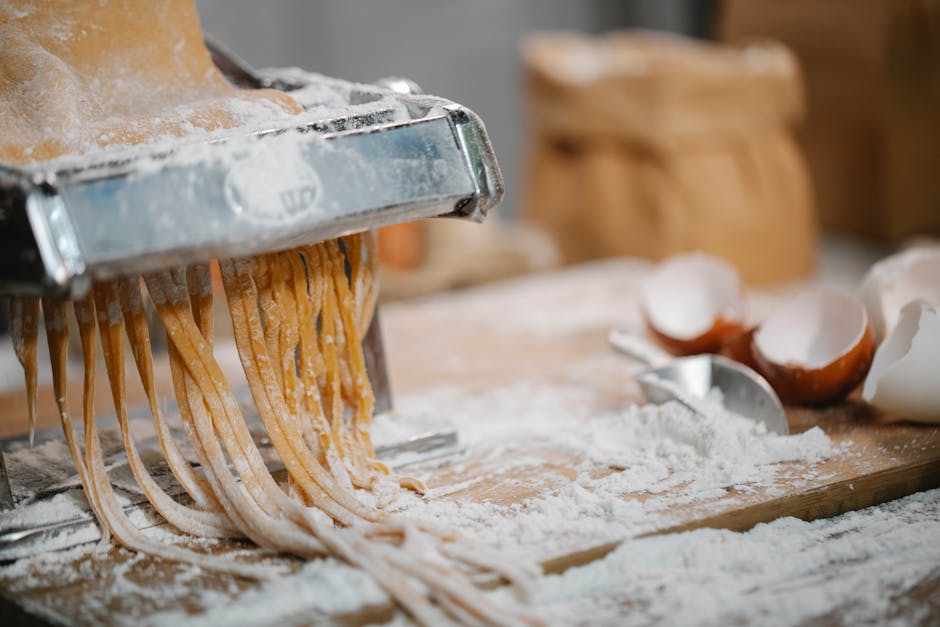
When it comes to making pasta, the quality of your ingredients can make a big difference. You’ll need flour, eggs, and salt to get started. Look for a high-quality flour that is rich in protein, such as ’00’ flour or all-purpose flour. Fresh eggs are also essential, as they will provide the moisture and richness your pasta needs.
Understanding the Basics of Pasta Making
Making pasta is a simple process that involves mixing your ingredients together, kneading the dough, and then shaping it into the desired form. To get started, combine your flour, eggs, and salt in a large mixing bowl. Mix the ingredients together until a dough forms, then knead the dough for several minutes until it becomes smooth and elastic. Once your dough is ready, you can start shaping it into the desired form, such as spaghetti, fettuccine, or linguine.
Shaping Your Pasta
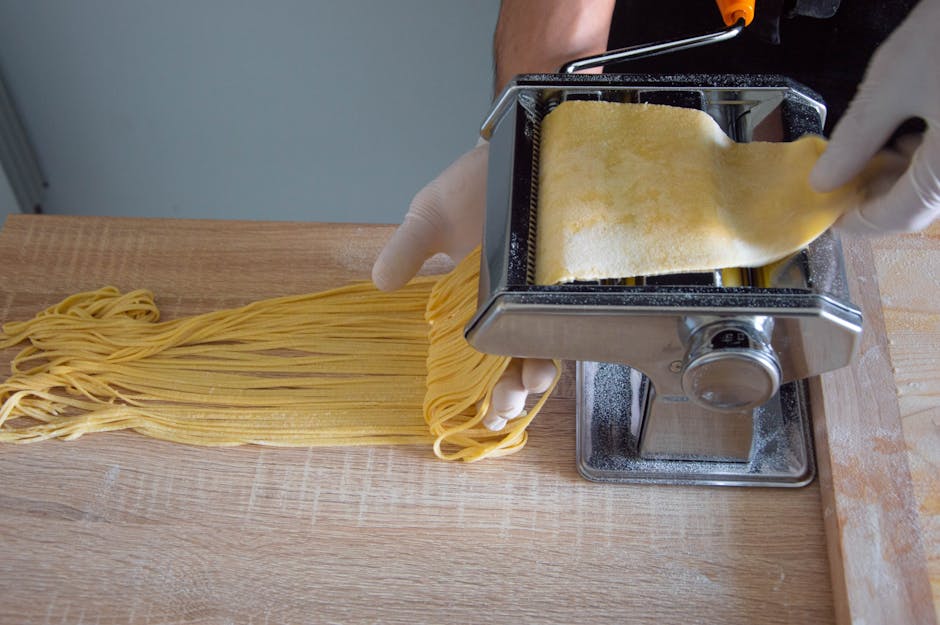
Shaping your pasta is one of the most fun and creative parts of the pasta-making process. You can use a variety of tools, such as a pasta machine or a sharp knife, to shape your pasta into the desired form. Here are a few tips to keep in mind when shaping your pasta:
- Use a light touch when handling the dough to avoid tearing or stretching it.
- Work slowly and carefully to ensure that your pasta is evenly shaped and consistent.
- Don’t be afraid to experiment with different shapes and forms – it’s all part of the fun of making pasta!
Cooking Your Pasta
Once your pasta is shaped, it’s time to cook it. Cooking pasta is a simple process that involves boiling it in salted water until it’s al dente. Here are a few tips to keep in mind when cooking your pasta:
- Use a large pot of salted water to cook your pasta – this will help to season it and prevent it from sticking together.
- Don’t overcook your pasta – it should still have a bit of bite or chew to it when it’s done.
- Reserve some of the pasta cooking water before draining it – this can be used to add moisture and flavor to your sauce.
Tips and Variations for Making Pasta
Now that you know the basics of how to make pasta, it’s time to start experimenting with different ingredients and techniques. Here are a few ideas to get you started:
- Try using different types of flour, such as whole wheat or gluten-free, to create a unique flavor and texture.
- Experiment with different shapes and forms, such as farfalle or tortellini, to add visual interest to your dish.
- Consider adding flavorings or ingredients, such as herbs or spices, to your pasta dough for added depth and complexity.
For more information on making pasta, be sure to check out epicurious or foodnetwork.
Conclusion
Learning how to make pasta is a fun and rewarding experience that can open up a world of culinary possibilities. With a few simple ingredients and some basic kitchen tools, you can start making your own delicious pasta at home. Remember to experiment with different ingredients and techniques, and don’t be afraid to try new things – it’s all part of the fun of making pasta!
FAQs
What type of flour is best for making pasta?
A high-quality flour that is rich in protein, such as '00' flour or all-purpose flour, is best for making pasta.
How long does it take to make pasta from scratch?
Making pasta from scratch can take anywhere from 30 minutes to several hours, depending on the complexity of the recipe and the amount of time you have available.
Can I make pasta without a pasta machine?
Yes, you can make pasta without a pasta machine – simply use a sharp knife or a rolling pin to shape your dough into the desired form.
How do I store homemade pasta?
Homemade pasta can be stored in an airtight container in the refrigerator for up to 3 days, or frozen for up to 6 months.
Can I add flavorings or ingredients to my pasta dough?
Yes, you can add flavorings or ingredients, such as herbs or spices, to your pasta dough for added depth and complexity.